Archive | Vaccines RSS feed for this section

The genie is out of the bottle: vaccines cause autism

16 Jul

That’s what you will read if you check out discussions of a new paper, Influence of pediatric vaccines on amygdala growth and opioid ligand binding in rhesus macaque infants: A pilot study, by L. Hewitson, B. Lopresti, C. Stott, N.S. Mason, and J. Tomko.

If you are wondering, yes, that is the same Laura Hewitson of Thoughtful House who first presented the “monkey studies” at IMFAR a few years back. And, yes, that is Carol Stott, formerly of Cambridge. And, yes, this is a part of the Wakefield-team “monkey studies” which has had such a checkered history.

What is this new study about? Well, here’s the abstract:

This longitudinal, case-control pilot study examined amygdala growth in rhesus macaque infants receiving the complete US childhood vaccine schedule (1994-1999). Longitudinal structural and functional neuroimaging was undertaken to examine central effects of the vaccine regimen on the developing brain. Vaccine-exposed and saline-injected control infants underwent MRI and PET imaging at approximately 4 and 6 months of age, representing two specific timeframes within the vaccination schedule. Volumetric analyses showed that exposed animals did not undergo the maturational changes over time in amygdala volume that was observed in unexposed animals. After controlling for left amygdala volume, the binding of the opioid antagonist [11C]diprenorphine (DPN) in exposed animals remained relatively constant over time, compared with unexposed animals, in which a significant decrease in [11C]DPN binding occurred. These results suggest that maturational changes in amygdala volume and the binding capacity of [11C]DPN in the amygdala was significantly altered in infant macaques receiving the vaccine schedule. The macaque infant is a relevant animal model in which to investigate specific environmental exposures and structural/functional neuroimaging during neurodevelopment.

Basically, they took 16 monkeys (rhesus macaque or Macaca mulatta). 12 of them were given vaccines in a schedule intended to mimic the U.S. vaccine schedule of the 1990’s, including thimerosal (which was added). 4 were given saline injections (controls). MRI scans were taken. “Time One (T1) at approximately 4 months of age and Time Two (T2) at approximately 6 months of age.”

From the abstract we see that they found that the “Volumetric analyses showed that exposed animals did not undergo the maturational changes over time in amygdala volume that was observed in unexposed animals.”

In other words, the amygdala volume was different from the controls at T2 for the monkeys given vaccines.

Want some more detail? Well, in regards to the right amygdala:

For the exposed group there was a nonstatistically significant increase in right amygdala volume over time (P=0.16; Table IIa). For the unexposed group there was a significant drop in right amygdala volume over time (P<0.0001; Table IIa).

Read that again. Did they just say that a piece of the brains of the control animals shrank between 4 months of age and 6 months of age?

They did. That’s what their data show. It seemed so odd to me that I double (and triple) checked. I’m sort of visual in how I like to take in data, so here is Figure 4(A) from the paper. This shows the left amygdala size for the two times (T1=4 months of age and T2=6 months of age). I’ve added text to the graph. It is in red so you know what I added. (click to enlarge)

The dotted lines are for the “exposed” animals. I.e. those vaccinated. The solid line is for the “unexposed” animals. See how at T1 they have amygdala sizes that are about the same size? But at T2 (2 months later) the amygdalas of the “unexposed” animals have shrunk, while the amygdalas of the exposed/vaccinated animals grew a little.

I’m not a primate expert, but it bothers me somewhat to hear that a piece of the brain might shrink. I would expect in my own naive way that pieces of the brain would grow as monkeys mature, so I decided to check: has anyone looked at amygdala size in Rhesus Macaques as a function of age? It turns out there is a paper just out in 2009, “Maturation of the Hippocampal Formation and Amygdala in Macaca mulatta: A Volumetric Magnetic Resonance Imaging Study” by Christa Payne et al. from the University of Texas and Emory University. They also were working with small numbers (11 in the male group). Here is Figure 6(A) from that paper:

FIGURE 6. Modeled developmental trajectories for left (thick, thatched lines) and right (thin, solid lines) amygdala volume in males (A) and females (B). Actual volume measurements are represented by filled (left hemisphere) and open (right hemisphere) symbols.

One line is for the left amygdala, and one for the right. Same with the datapoints, the filled are for one side, the hollow for the right. But the basic idea is clear–the amygdala grows with time in monkeys, not shrink. Yes, seems obvious, but I had to check.

How could the Hewitson paper report that the control monkeys have shrinking amygdalas? One possible answer: too few monkeys in the control group. There is a lot of scatter in the amygdala data from the U. Texas paper. If someone has only a couple of datapoints, they might get some strange results.

The Hewitson paper had really small numbers:

“A complete set of MRI data at both T1 and T2 were obtained from 9 exposed and 2 unexposed animals.”

But, wait, remember above? Weren’t there 4 monkeys in the control group and 12 monkeys in the vaccinated group? What happened to the other 2 of the control subjects? There weren’t many to begin with but half of the control group are missing in the data? What’s the reason for that? No, that’s a real question which I can’t find answered in the paper: what happened to the two other controls?

This paper is generating quite a bit of interest in places like the Age of Autism blog. Unfortunately for them, this paper is not the genie getting out of the bottle. Just another low quality paper. Just another 16 monkeys giving their lives for nothing.

Andrew Wakefield: a career in pictures

14 Jul

Those who know about Andrew Wakefield know he worked at the Royal Free Hospital in London. That’s where he did the work on Crohn’s disease and his initial work with autistic children.

RoyalFree

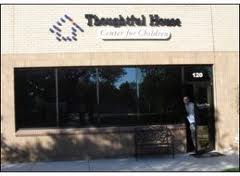
When he came to the U.S. he ended up at Thoughtful House in Austin, Texas:

ThoughtfulHouse

He has since left Thoughtful House, and is now running the “Strategic Autism Initiative”. The business listings for Texas show an address for this newly incorporated entity.

That address appears to be a mailbox in a Pak Mail shop in Austin Texas.

PackMail


By Matt Carey
note: I edited this to reinsert images lost during the move of the blog

OSR: The Littlest Consumers and other posts from Neurodiversity.com

14 Jul

There has been much discussion here and elsewhere on the net about OSR #1, the chelation chemical sold as “oxidative stress relief” supplement. The latest round of this was sparked by a story in the Chicago Tribune, FDA warns maker of product used as alternative autism treatment.

Much of the early investigation of OSR #1, it’s origins as an industrial chelator and so on, were done by Kathleen Seidel of Neurodiversity.com. Ms. Siedel is probably the most thorough blogger (or writer of any kind) I know of. Her posts are long and detailed and well referenced.

Her recent post, OSR: The Littlest Consumer, takes on the subject of internet reports of OSR being given to small children. The website for OSR (CTI Science) states, OSR#1TM is not recommended for children under 55 pounds or under 4 years of age.”

And, yet, OSR appears to be being given to small children. Also, if the internet reports are accurate, this occurs sometimes under the advice of DAN doctors.

People interested in a thorough discussion of OSR can reference previous articles by Ms. Seidel include:

Haley’s Chelator: For Cats Or For Kids? (April 26, 2008)
A Fine White Powder (August 1, 2008)
The Industrial Treatment (August 8, 2008)
An Inquiry Emerges (August 14, 2008)
FDA To Haley: OSR#1 A Misbranded, Mislabeled, Unsafe Drug (June 24, 2010)
OSR: Fuel For Thought (July 7, 2010)
OSR: A Bevy Of Adverse Events (July 12, 2010)

Boyd Haley discusses OSR #1 in the Lexington Harald-Leader

12 Jul

As noted here on LeftBrainRightBrain, OSR #1 is currently under scrutiny by the FDA. Our post followed a report by the Chicago Tribune, FDA warns maker of product used as alternative autism treatment.

OSR stands for Oxidative Stress Relief. It is a chemical invented at the University of Kentucky for chelating soil from mining operations. It was originally discussed at autism parent conferences as a chelator, but the focus has changed to “oxidative stress relief” over time. It has not been marketed, to my knowledge, by CTI Science for its chelator properties.

Today, Mr. Boyd Haley, who has been marketing OSR #1 through his company CTI Science, has made a public statement as an Op-Ed piece in his local newspaper, the Lexington Harold-Leader:

Dietary supplement safe for right use
chemical name might be confusing; toxic effects low

First, I note that previous statements have indicated that OSR is “totally” without toxicity. Now the statement is “toxic effects low”.

Mr. Haley starts his piece on the offensive:

This is just one of several Chicago Tribune articles focusing on criticism of doctors who treat autistic children, raising similar concerns to that of a fringe group called Neurodiversity, which thinks autism should be celebrated instead of treated.

He then defends his product:

It is critical to be noted that there has been no report of any significant adverse effect for OSR#1. Our legal representation has contacted the Food and Drug Administration and we are working with the agency to resolve its concerns.

Mr. Haley is apparently unaware of the potential adverse effects reported on internet forums for his product. Kathleen Seidel of neurodiversity.com has a piece up OSR: A Bevy Of Adverse Events today which may be enlightening.

Mr. Haley notes that his company has made no medical claims about the efficacy of OSR. He then offers a statement about the compound he is marketing:

The letter from the FDA might also have been caused by a naming misconception. The chemical name of OSR#1 is N1N3-bis-(2-mercaptoethyl)isophthalamide, which might imply a complex chemical with no natural components.

However, the structure of OSR#1 contains a benzoate group (found in cranberries) and two cystamines (a metabolite of cysteine and found in all meats).

The FDA description of a dietary supplement extracted from their warning letter is: “a vitamin, mineral, amino acid, herb or other botanical, or dietary substance for use by man to supplement the diet by increasing the total dietary intake, or a concentrate, metabolite, constituent, extract or combination of any dietary ingredient from the preceding categories.”

It is apparent that OSR#1 bears and contains one or more dietary ingredients and is why OSR#1 was submitted over two years ago to the FDA for consideration as a dietary supplement. It might be that the chemical name we placed on the label has confused this issue.

I don’t think it is the chemical name which has confused the issue. But maybe that is just me. When I read the patent that the University of Kentucky (Mr. Haley’s former institution) has licensed for use as OSR, I read this:

Multidentate sulfur-containing ligands
, patent 6,586,600

Which states that (a) the compound is “novel” and (b) it has the function of a chelator.

Novel sulfur-containing ligands for binding of heavy metals are disclosed. The ligands incorporate a central ring structure and pendant alkyl-thiol chains. The ligands are of the general structure: ##STR1##where n is an integer from 1-4, and X is selected from the group consisting of hydrogen, lithium, sodium, potassium, rubidium, cesium, and francium. The ligands of the present invention are suitable for binding any metal in or capable of being placed in a positive oxidation state, such as cadmium, lead, nickel, zinc, mercury, copper, and the like. Additionally, methods for removal of heavy metals from various substances are disclosed, comprising separating selected heavy metals from selected substances by contacting the substances with an effective amount of the novel sulfur-containing chelate ligands for a sufficient time to form stable, irreversible ligand-metal precipitates, and removing such precipitates.

In one of the Chicago Tribune pieces on OSR #1 a pharmacologist was quoted:

The company that makes the supplement, CTI Science, describes it as an antioxidant. But pharmacologist Dr. Arthur Grollman, director of the Laboratory for Chemical Biology at State University of New York at Stony Brook, said it is obvious from the product’s chemical structure that it is also a “powerful chelator,” a compound that binds to heavy metals such as mercury.

I will await the FDA’s review of whether a “novel” compound “might imply a complex chemical with no natural components”. Also, I will await whether under the law one can state that because a chemical has subgroups found in foods, it is a “combination of dietary ingredients”. It strikes this reader as unlikely that the FDA will agree with Mr. Haley’s position, however.

Consider this–take vitamin C powder and Vitamin D powder. Mix them up in whatever ratio you want. Put it in a pill. This is a combination of vitamins C and D. However, the molecules in the mixture exist in original form and can be considered to act in the body in their expected manners. The pill will work as vitamin C and vitamin D.

Now consider OSR #1. Assume that the molecule can be described as segments of various chemicals found in foods. However, the resultant molecule is “novel”, i.e. not found or synthesized previously. The resulting molecule will act in the body in a different manner than the sub-units.

Another way to look at this–if a person were to eat cranberries and meats (which contain the subunits of OSR #1 according to Mr. Haley), would one get the same results in the body? Is OSR “supplementing” the benzoate groups (found in cranberries) and two cystamines one would get from one’s diet?

Is OSR #1 safe or toxic? I don’t think the data are available to answer that question. And that presents a big question here: has sufficient study been performed? Is it appropriate to market this compound as a “supplement”? That will go a long way towards determining whether there is sufficient safety data. The FDA warning letter claimed that OSR #1 is not a supplement but a drug.

Boyd Haley comments on the FDA warning letter.

30 Jun

Below is a communication attributed to Boyd Haley. He is the president of CTI Science which is marketing “OSR#1”. OSR#1 is a chemical which was originally invented to chelate wastewater from mining operations. Mr. Haley’s company markets it, not for its chelating properties, but as a source of “oxidative stress relief” (OSR). The FDA has recently sent him a warning letter noting that it is likely that OSR is (a) not a supplement and (b) is a drug.

Jaquelyn: Below is my response to the Chicago Trib article. We have also had our legal help contact the FDA and explain our position. They have extended our time to respond in detail until the end of July and implied that they are willing to work with us on this issue.

The article by the Chicago Tribune and the warning letter from the FDA are fueled by a misconception. The chemical name of OSR#1 is N1N3-bis-(2-mercaptoethyl)isophthalamide which makes it sound to many like an exceptionally complex chemical with no natural components. However, looking at the structure of OSR it is easily seen that it contains a benzoate group (found in cranberries) and two cystamines (a metabolite of cysteine and found in all mammalian cells and on the terminal end of Coenzyme-A). The coupling of cystamine to benzoate is through the same type of amide linkage found in connecting amino acids to produce protein.

The FDA description of a dietary supplement as extracted from their letter is: To be a dietary supplement, a product must, among other things, “bear [ ] or contain [ ] one or more…dietary ingredients” as defined in section 20 I (11)( I) of the Act, 21 U.S.c.§ 321 (ff)( I). Section 20 1(11)( 1) or the Act defines “dietary ingredient” as a vitamin, mineral, amino acid, herb or other botanical, or dietary substance for use by man to supplement the diet by increasing the total dietary intake. or a concentrate, metabolite, constituent, extract or combination of any dietary ingredient from the preceding categories. Using this description it is obvious to a biochemist that OSR#1 bears and contains two dietary ingredients. It appears as if the chemical name (which we had to place on the label) has confused this issue. Hopefully this can be cleared up.

Regarding the toxic effects the FDA and Chicago Tribune comment on. The diarrhea and pancreas problems reported occurred during an UP/DOWN study to determine the LD-50 of OSR, that is “what amount of OSR would cause 50% of the test animals to die?”. Problem was that during the experimentation, even to reach the 5 grams/kg body weight they finally achieved, the researchers had to give the OSR (dissolved in corn oil) at three different times during the day. Even then the test animals showed no weight loss or ataxia or other signs of toxicity except diarrhea and a pancreas abnormality. They were giving these animals massive doses (e.g. 1,000 to 5,000 times the recommended level for humans) trying to kill them. Almost all supplemental materials would cause some problems at these levels and the LD-50 of OSR (decided to be greater than 5 g/kg) is considerably above the LD-50 of some commonly used supplemental compounds used today.
For example, a 220 lb (100 kg) person would have to take 500 grams/day or 5,000 OSR capsules/day to reach the 5 g/kg body weight level. We recommend 1 capsule or 0.1 gram/day level usage (i.e. 100mg) which is 5,000 times below the 5 gram/kg level in this example. When the long term study was done and the maximum amount tested was 1 gram/kg body weight the diarrhea and pancreas issues disappeared. At 1 gram/kg a 220 lb person would have to take 1,000 capsules/day to reach a level where no toxic effects were noted. In it’s initial letter responding to our Premarket Notification the FDA did not mention these test animal toxicity studies as being of any concern. I don’t know what changed their minds to make them go back and review this, but their review and the comments in this recent letter do not reflect a concern I would agree with.

Also, OSR has never been promoted by CTI Science as a treatment for any specific disease and FDA disclaimers are on every package.

I would point out that the FDA warning letter was not based on any reported adverse effect. Since CTI Science has been selling OSR (about 2 years) we have not had one severe adverse effect reported to our FDA based adverse effect reporting system. We have had many very positive responses from physicians and parents regarding the use of OSR. However, the fact is that I have to obey the FDA directive or risk damage to my co-workers as well as myself, and/or spend the funds to legally counter the FDA decision. What to do is under study. But from the above, you can see why I strongly believe that OSR is a dietary supplement by FDA criteria and that it is without detectable toxicity at the levels recommended.

Boyd E. Haley, PhD
Professor Emeritus

University of Kentucky
Chemistry Department

Boyd E. Haley, PhD
President

CTI Science, Inc.

It appears to this reader that Mr. Haley’s defense hinges on the part of the law which defines a supplement as “…or combination of any dietary ingredient from the preceding categories”. In particular, he appears to be claiming that his compound, which is apparently in the same form in a food, is a “combination” of other ingredients.

Mr. Haley can point to the various constituents of the molecule he is producing and marketing and state, “that part is from a food”. But, is that a valid argument? Does the law really intend that “combination” means “mixture” as in, say, a multivitamin?

Here is the full section of the law defining a “supplement”

ff) The term “dietary supplement”—

(1) means a product (other than tobacco) intended to supplement the diet that bears or contains one or more of the following dietary ingredients:

(A) a vitamin;

(B) a mineral;

(C) an herb or other botanical;

(D) an amino acid;

(E) a dietary substance for use by man to supplement the diet by increasing the total dietary intake; or

(F) a concentrate, metabolite, constituent, extract, or combination of any ingredient described in clause (A), (B), (C), (D), or (E);

(2) means a product that—

(A)(i) is intended for ingestion in a form described in section 411(c)(1)(B)(i); or

(ii) complies with section 411(c)(1)(B)(ii);

(B) is not represented for use as a conventional food or as a sole item of a meal or the diet; and

(C) is labeled as a dietary supplement; and

(3) does—

(A) include an article that is approved as a new drug under section 505 or licensed as a biologic under section 351 of the Public Health Service Act (42 U.S.C. 262) and was, prior to such approval, certification, or license, marketed as a dietary supplement or as a food unless the Secretary has issued a regulation, after notice and comment, finding that the article, when used as or in a dietary supplement under the conditions of use and dosages set forth in the labeling for such dietary supplement, is unlawful under section 402(f); and

(B) not include—

(i) an article that is approved as a new drug under section 505, certified as an antibiotic under section 507 7, or licensed as a biologic under section 351 of the Public Health Service Act (42 U.S.C. 262), or

(ii) an article authorized for investigation as a new drug, antibiotic, or biological for which substantial clinical investigations have been instituted and for which the existence of such investigations has been made public, which was not before such approval, certification, licensing, or authorization marketed as a dietary supplement or as a food unless the Secretary, in the Secretary’s discretion, has issued a regulation, after notice and comment, finding that the article would be lawful under this Act.

Except for purposes of section 201(g), a dietary supplement shall be deemed to be a food within the meaning of this Act.

I’m trying to find some sort of case-law that would help define the word “combination” here. But I feel that Mr. Haley’s interpretation is not likely to hold.

Mr Haley has in the past described OSR#1 as “totally without toxicity”. Now, “Even then the test animals showed no weight loss or ataxia or other signs of toxicity except diarrhea and a pancreas abnormality. ” Yes, those animals were given massive doses. But, once again, it comes down to definition of words. Is Mr. Haley using the word “totally” appropriately? Is OSR#1 “totally” without toxicity?

OSR#1

30 Jun

My own contribution is here, with less science and more snark:

Please leave your comments there or here, it doesn’t matter.

Another Hero Of The Anti-Vaccine Movement Bites The Dust

29 Jun

So says Steven Salzberg in a Forbes blog post, Another Hero Of The Anti-Vaccine Movement Bites The Dust. Prof. Salzberg is referring to the recent FDA warning letter sent to Mr. Haley about his product, OSR#1. The FDA has warned Mr. Haley that his “supplement” meets the criteria for a drug and the testing involved indicates that there may be serious side effects.

Prof. Salzberg introduces Mr. Haley as a “hero of the antivaccine movement” for his outspoken positions on mercury, especially on thimerosal and autism. Prof. Salzberg poses and answers his own question:

Is Haley simply a confused chemist who fails to understand epidemiological evidence? Or does he have another agenda?

Well, he does: money.

The rest of the piece does not go favorably for Mr. Haley.

Given that piece, I decided to check the website for OSR #1. Mr. Haley has apparently not responded to the FDA formally as of yet but has responded on his website:

Why did the FDA send CTI Science, Inc. a warning letter about OSR#1®?

The FDA sent CTI Science, Inc. a warning letter dated June 17, 2010. They state that OSR#1® is not a dietary supplement because N1, N3-bis(2-mercaptoethyl)isophthalamide is not a known dietary ingredient. However, N1, N3-bis(2-mercaptoethyl)isophthalamide is a combination of two dietary ingredients, benzoate and cystamine coupled together by an amide linkage which is naturally found in proteins coupling amino acids together. The FDA further states that CTI Science, Inc. makes drug claims on its packaging, website and promotional material. CTI Science, Inc. does not believe that the claims it previously made about OSR#1® were drug claims. However, all claims the FDA referenced in its letter were removed from the website. The FDA further states that there may be a safety issue with regard to OSR#1®, because diarrhea was experienced in animal subjects when fed OSR#1® dissolved in corn oil by gavage three times daily at a rate of 5g per kg body weight. This would be the equivalent of 500g for a 220lb person or 5,000 capsules plus a bolus of corn oil. CTI Science, Inc. does not believe this diarrhea is a toxic effect as the animals continued to gain weight like controls and did not develop any toxic effects like ataxia. Using this definition any food, like milk, would be toxic if taken at such a high level.

The Company is evaluating the FDA letter and preparing its response

Now I am not a former chemistry professor, but a few points in the above statement struck me as odd.

First, he notes that his product is the combination of two dietary ingredients. Well, if the resulting chemical isn’t found in foods, isn’t that the real definition of “dietary ingredient”? It doesn’t matter what the source materials are. Heck, can’t you have synthetic sources of “dietary ingredients”? It is the end product, not the source materials that count.

Second, he hasn’t addressed all the issues that the FDA brought up in the warning letter.

However, animal studies that you conducted found various side effects to be associated with OSR#1 use, including, but not limited to, soiling of the anogenital area, alopecia on the lower trunk, back and legs, a dark substance on lower trunk and anogenital area, abnormalities of the pancreas, and lymphoid hyperplasia

Hair loss, “abnormalities of the pancreas”, “lymphoid hyperplasia”. Those are not mentioned on the OSR website.

Third, ” Using this definition any food, like milk, would be toxic if taken at such a high level.”. Did Mr. Haley just make a “the dose makes the poison” argument in his defense? Many people promoting the idea that mercury causes autism have rejected the “dose makes the poison” idea, claiming that any amount of mercury is toxic.

Back to Prof. Salzberg’s post. One observation: Forbes magazine is taking on the alternative medical community and their “treatments” for autism, at least in this one case. But take a look at the tags attached to the piece: “antivaccinationist, Autism, Boyd Haley, chelation, mercury, pseudoscience, thimerosal, vaccines”. Ouch.

Supporters of OSR #1, “drug” given to autistic children, see FDA warning as no big deal

24 Jun

The story broke yesterday that Dr. Boyd Haley has been given a warning letter by the FDA about his chelating product, OSR #1. The FDA has warned Dr. Haley that his own safety tests indicate the possibility for adverse reactions and that since the substance is not found in any food or mineral, it is not a “supplement” as he markets it, but a drug. Drugs require much higher standards of proof of safety.

One could make an easy bet that the Age of Autism blog, which has helped tout the drug/supplement OSR, would come to Dr. Haley’s defense. The way they went about this is quite surprising to me. In Chicago Tribune Protecting Consumers Against Natural Supplement (Again), the Age of Autism writes:

CTI Science got a letter from the FDA about its ingredients. They will respond. Dr. Weil got a similar letter last year when he dared to offer an immune support formula in place of the H1N1 vaccine. Drug companies get the letters every day of the week for their advertising claims. You think 50,000 people in America even know what OSR is? They will now.

Yes–the letter from the FDA is no big deal. One of their favorite alternative medical practitioners got one last year, and the pharmaceutical companies get them too. While it isn’t mentioned in the AoA piece, Dr. Weil appears to have ignored the warning letter without any repercussions as no response has been recorded.

Yes, “you don’t have to respond to the FDA’s letters” appears to be a valid excuse to the Age of Autism.

There is a major difference between the warning letters sent to Dr. Haley and Dr. Weil. Dr. Haley’s letter shows that his own safety data, data not previously made public from what I can see, indicates the drug he is selling has the potential to cause adverse reactions. Dr. Weil appears to be only making claims of efficacy which he can’t back up. Only.

And, yes, big companies flout the FDA letters too. Merck, a giant pharmaceutical company, has one warning letter. One. That’s for Vioxx. Merck didn’t respond. That didn’t exactly go well for them, did it?

The full warning letter to Dr. Weil is quoted below.

TO XXXXXXXXX
http://www.drweil.com

FROM: The Food and Drug Administration and the Federal Trade Commission

RE: Unapproved/Uncleared/Unauthorized Products Related to the H1N1 Flu Virus; and

Notice of Potential Illegal Marketing of Products to Prevent, Treat or Cure the H1N1 Virus

DATE: October 15, 2009

WARNING LETTER

This is to advise you that the United States Food and Drug Administration (“FDA”) and the United States Federal Trade Commission (“FTC”) reviewed your website at the Internet address http://www.drweil.com on October 13, 2009. The FDA has determined that your website offers a
product for sale that is intended to diagnose, mitigate, prevent, treat or cure the H1N1 Flu Virus in people. This product has not been approved, cleared, or otherwise authorized by FDA for use in the diagnosis, mitigation, prevention, treatment, or cure of the H1N1 Flu Virus.

This product is your Immune Support Formula. The marketing of this product violates the Federal Food, Drug, and Cosmetic Act (FFDC Act). 21 U.S.C. §§ 331, 351, 352. We request that you immediately cease marketing unapproved, uncleared, or unauthorized products for the diagnosis, mitigation, prevention, treatment, or cure of the H1N1 Flu Virus.

In addition, FTC staff reminds you that the FTC Act, 15 U.S.C. § 41 et seq., requires that claims that a dietary supplement can prevent, treat, or cure human infection with the H1N1 virus, must be supported by well-controlled human clinical studies at the time the claims are made. More generally, it is against the law to make or exaggerate health claims, whether directly or indirectly, through the use of a product name, website name, metatags, or other means, without rigorous scientific evidence sufficient to substantiate the claims. Violations of the FTC Act may result in legal action in the form of a Federal District Court injunction or Administrative Order. An order also may require that you pay back money to consumers.

Some examples of the claims on your website include:

On a webpage entitled, “The Swine Flu – H1N1 ,” with the subtitle “Swine Flu and You”:

“[D]uring the flu season, I suggest taking a daily antioxidant, multivitamin-mineral supplement, as well as astragalus, a well-known immune-boosting herb that can help ward off colds and flu. You might also consider. .. the Weil Immune Support Formula[,] which contains both astragalus and immune-supportive polypore mushrooms ….”

On a product webpage describing the Immune Support Formula:

“The Immune Support Formula contains astragalus. . . . Astragalus … is used traditionally to ward off colds and flu and has been well studied for its antiviral and immunity-enhancing properties.”

“Th[e] synergistic combination of immune modulators [found in the Immune Support Formula] is especially useful for those who tend to get every bug that goes around during the winter.”

On the same webpage, under “Supplement Facts,” describing the Astragalus supplement (which is one element of the Immune Support Formula):

“Astragalus … is … used traditionally to ward off colds and flu, and has demonstrated both antiviral and immune-boosting effects in scientific investigation.”

On the website’s home page, DrWeil.com:

“Worried About Flu? Dr. Weil’s Immune Support Formula can help maintain a strong defense against the flu. It contains astragalus, a traditional herb that boosts immunity. Buy it now in one click, and start protecting your immune system against flu this season.”

On the Dr. Weil Vitamins – Daily Vitamin Packs webpage:

“[L]earn more about Dr. Weil’s Immune Support Formula, which contains astragalus – an herb Dr. Weil recommends to help ward off colds and flu.”

The Secretary of Health and Human Services, under section 319 of the Public Health Service Act, 42 U.S.C. § 247d, has determined that a public health emergency exists nationwide involving the H1N1 Flu Virus that affects or has the significant potential to affect national
security. Following this determination and in response to requests from the U.S. Centers for Disease Control and Prevention, FDA issued letters authorizing the emergency use of certain unapproved and uncleared products or unapproved or uncleared uses of approved or cleared products, provided certain criteria are met, under 21 U.S.C. § 360bbb-3. The marketing and sale of unapproved or uncleared H1N1 Flu Virus-related products that are not authorized by and used in accordance with the conditions of an Emergency Use Authorization, is a potentially significant threat to the public health. Therefore, FDA is taking urgent measures to protect consumers from products that, without approval or authorization by FDA, claim to diagnose, mitigate, prevent, treat or cure H1N1 Flu Virus in people.

You should take immediate action to ensure that your firm is .not marketing, and does not market in the future, products intended to diagnose, mitigate, prevent, treat or cure the H1N1 Flu Virus that have not been approved, cleared, or authorized by the FDA. The above is not meant to be an all-inclusive list of violations. It is your responsibility to ensure that the products you market are in compliance with the FFDC Act and FDA’s implementing regulations. We advise you to review your websites, product labels, and other labeling and promotional materials to ensure that the claims you make for your products do not adulterate or misbrand the products in violation of the FFDC Act. 21 U.S.C. §§ 331, 351, 352. Within 48 hours, please send an email to FDAFLUTASKFORCECFSAN@fda.hhs.gov, describing the actions that you have taken or plan to take to address your firm’s violations. If your firm fails to take corrective action immediately, FDA may take enforcement action, such as seizure or injunction for violations of the FFDC Act without further notice. Firms that fail to take corrective action may also be referred to FDA’s Office of Criminal Investigations for possible criminal prosecution for violations of the FFDC Act and other federal laws.

FDA is advising consumers not to purchase or use H1N1 Flu Virus-related products offered for sale that have not been approved, cleared, or authorized by FDA. Your firm will be added to a published list on FDA’s website of firms and websites that have received warning letters from FDA concerning marketing unapproved, uncleared and unauthorized H1N1 Flu Virus-related products in violation of the FFDC Act. This list can be found at http://www.accessdata.fda.gov/scripts/h1n1flu. Once the violative claims and/or products have been removed from your website, and these corrective actions have been confirmed by the FDA, the published list will be’ updated to indicate that your firm has taken appropriate corrective action.

If you are not located in the United States, please note that unapproved, uncleared, or unauthorized products intended to diagnose, mitigate, prevent, treat, or cure the H1N1 Flu Virus offered for importation into the United States are subject to detention and refusal of admission. We will advise the appropriate regulatory or law enforcement officials in the country from which you operate that FDA considers your product listed above to be an unapproved, uncleared, or unauthorized product that cannot be legally sold to consumers in the United States.

Please direct any inquiries to FDA at FDAFLUTASKFORCECFSAN@fda.hhs.gov or by contacting Kathleen Lewis at 301-436-2148.

It is also your responsibility to ensure that the products you market are in compliance with the FTC Act. FTC staff strongly urge you to review all claims for your products and ensure that those claims are supported by competent and reliable scientific evidence. The FTC also asks that you notify it via electronic mail at flu@ftc.gov within 48 hours of the specific actions you have taken to address the agency’s concerns. If you have any questions regarding compliance with the FTC Act, please contact Karen Jagielski at 202-326-2509.

Very truly yours,

/S/
Mary K. Engle
Associate Director
Division of Advertising Practices
Federal Trade Commission

/S/
Roberta F. Wagner
Director
Office of Compliance
Center for Food Safety and Applied Nutrition
Food and Drug Administration

FDA warns maker of OSR #1, dietary supplement for autistic children is a “toxic” “drug”

24 Jun

“OSR#1 is not a dietary supplement but a toxic, unapproved drug with serious potential side effects, FDA warns”. So starts a recent article in the Chicago Tribune, FDA warns maker of product used as alternative autism treatment.

The article is by Trine Tsuderos who has previously reported on the the industrial chelator turned dietary supplement in Industrial chemical OSR#1 used as autism treatment.

According to the website for the product, “OSR#1® is a toxicity free, lipid soluble antioxidant dietary supplement that helps maintain a healthy glutathione level”. According to the story in the Tribune, the claim of “toxicity free” may not be accurate. According to the Tribune story:

The FDA letter lists side effects recorded during Haley’s animal studies: “soiling of the anogenital area, alopecia (hair loss) on the lower trunk, back and legs, a dark substance on lower trunk and anogenital area, abnormalities of the pancreas” and a rapid increase in normal cells contained in the lymph nodes.

Here is that section of the letter in full:

However, animal studies that you conducted found various side effects to be associated with OSR#1 use, including, but not limited to, soiling of the anogenital area, alopecia on the lower trunk, back and legs, a dark substance on lower trunk and anogenital area, abnormalities of the pancreas, and lymphoid hyperplasia. Based on these animal studies and side effects known to be associated with chelating products that have a similar mechanism of action to OSR#1, we believe the use of your product has the potential to cause side effects, and the before-mentioned website statements falsely assert that the product does not have the potential to cause side effects.

Mr. Haley is not unused to criticism of his so-called supplement. After the previous story by the Tribune, Boyd Haley tweeted multiple times “Contrary to the Chicago Tribune implication, OSR1 has undergone extensive safety testing. The truth is at http://www.OSR1.com. Please retweet!” When I checked the OSR website, I could find no mention of these test results–the results Boyd Haley himself submitted to the FDA. Is that the “truth”?

The Tribune quotes Ellen Silbergeld, a John’s Hopkins researcher:

“It would be hard to imagine anything worse,” said Ellen Silbergeld, an expert in environmental health who is studying mercury and autism at Johns Hopkins University’s Bloomberg School of Public Health. “An industrial chemical known to be toxic — his own incomplete testing indicates it is toxic. It has no record of any therapeutic aspect of it, and it is being marketed for use in children.”

and

Silbergeld said the product represents a clear example of endangerment of public health and that the FDA should stop CTI Science from selling it immediately. She drew a comparison to a city’s drinking water system: If contamination is found, she said, “they turn off the pumps.”

“They don’t have to engage in a long discussion with you,” Silbergeld said. “It would be hard to imagine a more clear example of immediate endangerment of public health. Turn off the pump.”

Kim Stagliano, Managing Editor of the Age of Autism blog, has touted OSR #1 in the past. She was quoted in the Tribune article:

In an e-mail, Stagliano wrote that she continues to support Haley, a regular speaker at autism recovery conferences. “Having met Dr. Haley at conferences, including Autism One in Chicago last month, I continue to trust his science,” she wrote on Wednesday. “I’m sure CTI Science will address the letter appropriately.”

There doesn’t seem to be any mention of the fact that Prof. Haley appears to have withheld safety information from the autism community. She “trusts his science”, yet makes no mention of the fact that it is precisely “his science” that indicates that this chemical is toxic.

The warning letter from the FDA is quoted below:

WARNING LETTER CIN-10-107927-14

Boyd E. Haley, President
CTI Science, Inc.
2430 Palumbo Drive, Suite 140
Lexington, Kentucky 40509

Dear Mr. Haley:

This letter concerns your firm’s marketing of the product OSR#1 on your website, http://www.ctiscience.com.This product is marketed in violation of provisions of the Federal Food, Drug, and Cosmetic Act (the Act) as described below.

Your firm markets OSR#l as a dietary supplement; however, this product does not meet the definition of a dietary supplement in section 201(ff) of the Act, 21 U.S.C. § 321(ff). To be a dietary supplement, a product must, among other things, “bear[ ] or contain[ ] one or more … dietary ingredients” as defined in section 201(ff)(1) of the Act, 21 U.S.C.§ 321(ff)(1). Section 201 (ff)(1) of the Act defines “dietary ingredient” as a vitamin, mineral, amino acid, herb or other botanical, or dietary substance for use by man to supplement the diet by increasing the total dietary intake, or a concentrate, metabolite, constituent, extract or combination of any dietary ingredient from the preceding categories. The only substance listed as a dietary ingredient on the labeling of OSR#1 is N1,N3-bis(2-mercaptoethyl)isophthalamide. N1,N3-bis(2mercaptoethyl) isophthalamide is not a vitamin, mineral, amino acid, herb or other botanical, or dietary substance for use by man to supplement the diet by increasing the total dietary intake. Further, N1,N3-bis(2-mercaptoethyl)isophthalamide is not a concentrate, metabolite, constituent, extract or combination of any such dietary ingredient. Thus, because OSR#1 does not bear or contain a dietary ingredient as defined in section 201(ff)(1) of the Act, this product does not qualify as a dietary supplement under section 201(ff) of the Act.
Your website includes claims such as the following:

• “OSR#1® … helps maintain a healthy glutathione level.”

• “Both OSR#1® and glutathione scavenge free radicals, allowing the body to maintain its own natural detoxifying capacity.”

The claims listed above make clear that OSR#1 is intended to affect the structure or any function of the body of man or other animals. Accordingly, OSR#l is a drug under section 201(g)(1) of the Act, 21 U.S.C. § 321(g)(1). Disclaimers on your website, such as “OSR#l® is not a drug and no claim is made by CTI Science that OSR#1® can diagnose, treat or cure any illness or disease,” do not alter the fact that the above claims cause your product to be a drug.

Moreover, this product is a new drug, as defined by section 201(p) of the Act, 21 U.S.C. § 321(p), because it is not generally recognized as safe and effective for use under the conditions prescribed, recommended, or suggested in its labeling. Under sections 301(d) and 505(a) of the Act, 21 U.S.C. §§ 331(d) and 355(a), a new drug may not be introduced or delivered for introduction into interstate commerce unless an FDA-approved application is in effect for it. Your sale of OSR#1 without an approved application violates these provisions of the Act.

Your website includes the following statements: “Thyroid conditions, hypertension, and diabetes: Because thyroid conditions, hypertension, and diabetes have been associated with low glutathione levels …” and “OSR#1® … helps maintain a healthy glutathione level.” These statements suggest that OSR#1 is intended for use in the diagnosis, cure, mitigation, treatment, or prevention of disease. Because thyroid conditions, hypertension, and diabetes are not amenable to self-diagnosis and treatment by individuals who are not medical practitioners, adequate directions cannot be written so that a layman can use it safely for its intended uses. Thus, OSR#1’s labeling fails to bear adequate directions for its intended uses, causing it to be misbranded under section 502(f)(1) of the Act, 21 U.S.C. § 352(f)(1). OSR#1 is not exempt under 21 C.F.R. §§ 201.100(c)(2) and 201.115 from the requirement that its labeling bear adequate directions for use because OSR#1 lacks an approved application.

Additionally, under section 502(a) of the Act, 21 U.S.C. § 352(a), a drug is misbranded if its labeling is false or misleading in any particular. Section 201(n) of the Act, 21 U.S.C. § 321(n), provides that, “in determining whether a drug’s labeling or advertising is misleading, there shall be taken into account (among other things) not only representations made or suggested … but also the extent to which the labeling or advertising fails to reveal facts material in light of such representations ….” Your website states that” [s]ome reports of temporary diarrhea, constipation, minor headaches have been reported but these are rare and the actual causes are unknown,” as well as “OSR#1 is without detectable toxicity” and “OSR#1® … has not exhibited any detectable toxic effects even at exceptionally high exposure levels.” However, animal studies that you conducted found various side effects to be associated with OSR#1 use, including, but not limited to, soiling of the anogenital area, alopecia on the lower trunk, back and legs, a dark substance on lower trunk and anogenital area, abnormalities of the pancreas, and lymphoid hyperplasia. Based on these animal studies and side effects known to be associated with chelating products that have a similar mechanism of action to OSR#1, we believe the use of your product has the potential to cause side effects, and the before-mentioned website statements falsely assert that the product does not have the potential to cause side effects. Therefore, these statements render your product’s labeling false or misleading. As such, OSR#1 is misbranded under section 502(a) of the Act, 21 U.S.C. § 352(a).

Because the labeling does not warn consumers of the above-mentioned potential for side effects, the product OSR#1 is also misbranded under section 502(f)(2) of the Act, 21 U.S.C. § 352(f)(2), in that the labeling lacks adequate warnings for the protection of users. The introduction or delivery for introduction into interstate commerce of this misbranded drug violates section 301(a) of the Act, 21 U.S.C. §§ 331(a).

The issues and violations cited in this letter are not intended to be an all-inclusive statement of violations that exist in connection with your product. You are responsible for investigating and determining the causes of the violations identified above and for preventing their recurrence or the occurrence of other violations. It is your responsibility to ensure that your firm complies with all requirements of federal law and FDA regulations. In this regard, please note that products are misbranded under section 502(j) of the Act, 21 U.S.C. § 352(j) if they are dangerous to health when used in the dosage or manner; or with the frequency or duration prescribed, recommended, or suggested in the products’ labeling.

You should take prompt action to correct the violations cited in this letter. Failure to promptly correct these violations may result in legal action, without further notice, including, without limitation, seizure and injunction. Other federal agencies may take this Warning Letter into account when considering the award of contracts.

Within fifteen working days of receipt of this letter, please notify this office in writing of the specific steps that you have taken to correct violations. Include an explanation of each step being taken to prevent the recurrence of violations, as well as copies of related documentation. If you cannot complete corrective action within fifteen working days, state the reason for the delay and the time within which you will complete the correction. Furthermore, please advise this office what actions you will take to address product that you have already distributed. Additionally, if another firm manufactures the product identified above, your reply should include the name and address of the manufacturer. If the firm from which you receive the product is not the manufacturer, please include the name of your supplier in addition to the manufacturer. Address your reply to the Food and Drug Administration, 6751 Steger Drive, Cincinnati, Ohio 45237, Attention: Stephen J. Rabe, Compliance Officer.

A description of the new drug approval process can be found on FDA’s internet website at
http://www.fda.gov/Drugs/DevelopmentApprovalProcess/HowDrugsareDevelopedandApproved/ApprovalApplications/NewDrugApplicationNDA/default.htm. Any questions you may have regarding this process should be directed to the Food and Drug Administration, Division of Drug Information, Center for Drug Evaluation and Research, 10903 New Hampshire Avenue, Silver Spring, Maryland 20993.

Sincerely,

/s/

Teresa C. Thompson
Cincinnati District

This story is being discussed at Countering Age of Autism as FDA Steps Up to the Plate on OSR#1.

Addenda:

CTI solicited charitable donations to help get started through the CTI Science Foundation, which includes “Katie Wright, Julie Obradovic, Dr. Jerry Kartzinel, Dr. Julie Buckley, Scott Barli and Kathryn Wachsman”

Kim Stagliano discussed previous Tribune stories and the question of toxicity of OSR in another piece

I was contacted by Ms. Tsouderos for an interview about her forthcoming article on a supplement called OSR from CTI Science. CTI’s Science’s FAQ page says OSR is less toxic than aspirin and Vitamin E. If the Tribune has its own toxicity testing, I’m sure readers will be interested in seeing the data. In light of the skewing of parental interviews in the past, I chose not to respond to her requests for an interview. Others, like the founder of CTI Science, Dr. Boyd Haley, graciously allowed the interview process to continue until such time as it became clear that the writer’s goal precluded gaining meaningful insight.

It appears to this reader that perhaps it was CTI Science and Boyd Haley who may have kept the readers from obtaining “meaningful insight”. If a reporter asks about toxicity and you have data showing hair loss, discolorations, and “abnormalities of the pancreas, and lymphoid hyperplasia” shouldn’t you produce that data?

In support of David Gorski

22 Jun

To whomever it may concern,

You have probably recently had to deal with a handful of vitriolic comments regarding the online activities of David Gorski. You will probably have been pointed to an online essay by a young man called Jake Crosby in which he makes a series of claims regarding David Gorski and his ‘ties’ to vaccines/vaccine manufacturers and other entities.

I urge you to read these comments and this essay very, very carefully. Once you do I am in no doubt that you will see what the rest of us clearly can – that this work is the work of a highly impassioned young man who believes that he is right. He believes that vaccines cause autism to state it clearly and he believes that by having some kind of – any kind of – tie to a pharma organisation means that David Gorski is ‘tainted’. But what really annoys master Crosby is the fact that David Gorski regularly blogs in support of the science that clearly shows vaccines do not cause autism and blogs against the pseudo science that attempts – and continually fails- to draw any kind of a link between vaccines and autism.

So this, in master Crosby’s eyes, is David Gorski’s crime – supporting the science and decrying the bad science.

In order to cast some kind of suspicion over David Gorski’s support of science, Crosby has ‘discovered’ that Gorski is conducting research into ways to reuse some types of drugs – drugs developed by Sanofi-Aventis who of course also manufacture some vaccines. And that, despite another few hundred words from master Crosby is that. That is the sum total of his ‘investigation’ and the sum total of David Gorski’s crime.

The only real eye-opener on this issue is that Jake Crosby managed to wring out as many words as he did on this total non-issue.

I have known David Gorski online for a number of years. We often quote one another and link to one anothers posts. We regularly email each other and I was disappointed to be unable to meet him for drinks on a visit to the UK he took a few years ago. In my experience of the man he is rigorous, almost fanatical with regards to accuracy and brings these traits to many areas of blogging and online writing including the investigation of bad science.

Why does it matter to me? It matters because I have an autistic child and an autistic step child. When my autistic child was first diagnosed I firmly believed that her autism was caused by vaccines. It was only through being exposed to writings of David Gorski and his peers on the science of autism and the bad science of the autism/vaccine connection that I eventually saw for myself what was obvious: vaccines don’t cause autism and never did.

Scientists such as David Gorski often blog and write online anonymously. They do this because to be exposed to the sort of people Jake Crosby colludes with often means being exposed to harassment and threats. David Gorski is now finding that out for himself. I hope that you as his peers, colleagues and employers will see how vital it is that David Gorski continues blogging and that you will support him in both his work and his blogging.