Archive | Vaccines RSS feed for this section

OSR pulled from the market….or is it?

3 Aug

Here on LeftBrainRightBrain we recently discussed a letter from Boyd Haley, Ph.D. announcing his decision to voluntarily remove his product, OSR #1 from the market. The letter from Mr. Haley stated (in part):

The product will not be available for sale after that date until new drug approval has been obtained. Please continue to access our website, http://www.ctiscience.com , for updates on OSR#1® in the future.

The CTI website is down, and has been for a few days. The message I get when try it is:

HTTP Status 404 –

type Status report

message

description The requested resource () is not available.

Two locations I checked are still selling OSR.

The Forrest Health site has the letter from Mr. Haley noting that he has pulled the product from the market. They not only let you buy it, but they require that you purchase 3 or more “Note: you must order at least 3 items”.

Living Well International has OSR on their site as well. In response to my email, they response to my email request, “Do you still have OSR#1 for sale?”, they responded “Yes we do. It is $60 for a box of 30”

I do wonder how long before someone decides to make his or her own batch of OSR. Mr. Haley has been quoted as stating it was not difficult. The published recipe for the chemical indicates a few potential concerns. First, the chemicals are themselves not without hazards.

Triethylamine

Liquid causes first degree burns on short exposure; [CHRIS] Corrosive to skin; [Quick CPC] Short-term exposure at high concentrations may cause pulmonary edema. [ICSC] A lachrymator; [CHEMINFO] Experimental animals exposed repeatedly to 100 ppm show evidence of liver, kidney, lung, and heart damage. [HSDB] A corrosive substance that can cause pulmonary edema; [ICSC]

Chloroform has relatively high LD50 values (the amount where 50% of exposed animals die). But the MSDS lists reproductive toxicity as:

Birth defects have been seen in rats and mice exposed by inhalation of chloroform at concentrations greater than 100 ppm in air. Ingestion of chloroform by pregnant laboratory animals has resulted in fetotoxicity but not birth defects, and only at levels causing severe maternal effects.

Isophthaloyl chloride is only listed as an eye/skin irritant. I won’t go down the list of all the chemicals. I think you get the idea. It is likely that a competent chemist with a reasonable laboratory (including a fume hood and access to nitrogen gas) could produce “bathtub OSR” reasonably safely. I frankly cringe at the thought of someone attempting this at home. I will add, the yield of the published process for producing this chemical is about 72% without optimization. This begs the question to me as to how clean the product is in this form.

An example of how alternate vaccine schedules endanger children

28 Jul

With apologies–this post has nothing to do with autism except in pointing out where groups like Generation Rescue give out bad advice.

There is an outbreak of pertussis (whooping cough) in California right now. It looks to be a major outbreak, possibly the largest in fifty years–since vaccination was implemented.

Generation Rescue has a number of alternative vaccine schedules that they promote on their website. Their “favorite” schedule was created by a doctor named Donald Miller. Let’s look at it, shall we:

In summary, this is a vaccination schedule that I would recommend:

1. No vaccinations until a child is two years old.
2. No vaccines that contain thimerosal (mercury).
3. No live virus vaccines (except for smallpox, should it recur).
4. These vaccines, to be given one at a time, every six months, beginning at age 2:
1. Pertussis (acellular, not whole cell)
2. Diphtheria
3. Tetanus
4. Polio (the Salk vaccine, cultured in human cells)

*No vaccinations until a child is two years old.* That’s right, don’t vaccinate infants. The deaths in California so far are for children under the age of 6. Dr. Miller’s schedule, the one most recommended by Generation Rescue, would leave children vulnerable to pertussis until at least age 2.

This is just plain dangerous advice.

It isn’t even well thought out. Not in the least. The reason is found in the FDA list of vaccines licensed in the U.S.. You can take a look or you can take my word for it: there is no single pertussis vaccine available.

It is impossible to follow Generation Rescue’s favorite vaccine schedule, which calls for a single pertussis vaccine to be given after age 2.

Even Dr. Sears acknowledges that (a) pertussis is a vital vaccine to give to infants and (b) you can’t get pertussis as a single vaccine. (also, (c) he sees rotavirus as an “immediate danger” to babies and children, contrary to the position of Generation Rescue).

Diseases that don’t exist in the U.S. or that don’t occur during infancy in the U.S. (so even though they can be very severe, a child has almost no risk of catching it in the U.S.) that could be safely delayed are polio, Hep B, tetanus, and diphtheria (although to get a pertussis vaccine, tetanus and diphtheria have to come along with it).

Diseases that DO pose an immediate danger to babies and children are HIB and PC meningitis, Rotavitus, and Pertussis. So, I would rather children stay on time with those four vaccines and delay the flu shots (if you feel comfortable delaying flu shots).

The whooping cough epidemic is getting a lot of coverage in the press. Just today, Dr. Nancy Snyderman of the Today Show discussed this:

Visit msnbc.com for breaking news, world news, and news about the economy

Dr. Snyderman has a lot of good points, including the fact that there are immune compromised people in the community are at risk from the spread of diseases like pertussis.

Dr. Snyderman also makes a mistake in the interview. She claims that children died of measles in the U.S. last year. Watch for groups like the Age of Autism to ignore all the facts and concentrate on that mistake.

Desiree Jennings back in the news

26 Jul

Remember Desiree Jennings? She was a cheerleader ambassador for the Washington Redskins who claimed that a flu shot gave her dystonia. She was highlighted by the Age of Autism blog and by Generation Rescue, who connected her with alternative medical practitioner Rashid Buttar. Mention of Desiree Jennings has been removed from the Generation Rescue website. Neurologist and blogger Steve Novella discussed how her case more closely resembled a psychogetic disorder. Dr. Novella’s take on the case prompted the American TV show Inside Edition to take a second look. We discussed the Jennings case then here on LeftBrainRightBrain as Successful blogging by Steven Novella: the Desiree Jennings story
.

Now the TV Show 20/20 has taken a look a the Desiree Jennings story in Medical Mystery or Hoax: Did Cheerleader Fake a Muscle Disorder?

First, one must stress that many people following this case have not been calling out “hoax”. A psychogentic disorder is quite real, just not dystonia and not physical.

That said, here is the trailer for the 20/20 episode:

http://abcnews.go.com/assets/player/walt2.6/flash/SFP_Walt.swf

I find the beginning to be really cheesy. The way they took the video to make it look like it was some film taken decades ago was, well, cheesy. Ms. Jennings is less than 30 years old. Somehow I doubt her wedding was recorded on film and, even if it was, it wouldn’t be so deteriorated in a few years. But, we get the idea–the wedding was in the past.

Ms. Jennings has been used as an example of how successful Rashid Buttar is. One article, copied to Dr. Buttar’s blog, states that shortly after beginning treatment with him:

The good doctor ran to his patient, fearing she had suffered another seizure but instead was elated to find that she was awake, coherent and carrying on a normal conversation with the nurses and her family. By the next day she was walking the corridors with limited affliction. (See the video at: http://www.desireejennings.com.) The AMA has remained silent.

(note–www.desireejennings.com is no longer active).

But just as she was leaving Dr. Buttar’s clinic on her last visit in December 2009 — with “20/20’s” cameras rolling — it all seemed to fall apart. Jennings was in distress again. She could no longer walk forward, and had to be taken out in a wheelchair.

In the early discussions of Ms. Jennings, much interest focused on the idea that she was diagnosed with Dystonia by doctors at Johns Hopkins. People complained that Dr. Novella shouldn’t make statements that contradicted doctors who actually saw Ms. Jennings. The 20/20 story states:

In search of a cure, Jennings and her husband Brendan visited countless doctors and four hospitals, among them Johns Hopkins Hospital. There, a rare movement disorder that causes the muscles to twitch or convulse involuntary. The symptoms resembled her own.

“a physical therapist told Jennings about dystonia”. That’s a bit different from a doctor diagnosed her with dystonia.

Yes, this isn’t about autism at all. But this story does shed some light onto groups like Generation Rescue who supported Desiree Jennings, sending her to Dr. Buttar. The story was compelling for them, even though it was not about autism. It was about alleged vaccine injury. Generation Rescue appears to have abandoned Ms. Jennings now. It sheds light on Dr. Buttar, whose claims of recovery for Ms. Jennings appear to be unsupported by the facts. Dr. Buttar is one of the more prominent names in the alternative medicine community marketing their services to the autism community.

Laura Hewitson has left the University of Pittsburgh

26 Jul

Laura Hewitson is the lead researcher on a series of studies on comparing vaccinated and unvaccinated macaque monkeys. This work became public first in the 2008 IMFAR conference. At that time and since, the work from these studies has been strongly criticized. Dr. David Gorski of Science Based Medicine discussed those abstracts. It is very likely that the new conflict of interest declaration policy for IMFAR resulted from Ms. Hewitson’s lack of declaration of her own COI at IMFAR (she has filed a claim with the vaccine court on behalf of her child). One paper resulting from that study was withdrawn before it was published (discussed by Countering Age of Autism and Respectful Insolence). More recently, a study from this series was published in which conclusions were drawn based on only 2 control animals. Those control animals underwent brain shrinkage during a critical period of infant growth. In other words, there was something seriously wrong with the control animals and, hence, the entire study. The study (and subsequent discussions by groups such as SafeMinds) spun the brain shrinkage around to claim that the “The vaccinated primates also showed altered maturation of their brains’s [sic] amygdalas.”

Ms. Hewitson has listed here professional affiliations as:

1Department of Obstetrics and Gynecology, University of Pittsburgh School of Medicine, Pittsburgh, PA, USA;
2Thoughtful House Center for Children, Austin, TX, USA;

In 2008 she was listed as Associate Professor of Obstetrics, Gynecology & Reproductive Sciences on the University of Pittsburgh’s website. That is the last date for an internet archive version of that page. A google cache version of the page from June 2010 listed her as “adjunct” Associate Professor. Adjunct faculty are typically part time or people from other institutions who are working in some capacity with the University.

Ms. Hewitson’s webpage link at Pitt is no longer active. She is no longer listed on the faculty page for the Pittsburgh Development Center (PDC). The PDC confirmed that she is no longer on the faculty there.

Before people start speculating, the most likely explanation is that it simply became too difficult to balance a career at Thoughtful House in Texas with a faculty appointment in Pennsylvania.

This will mean that in the future Ms. Hewitson will be unable to use her University of Pittsburgh affiliation to bolster the credibility of her research. Studies begun while at Pitt will likely continue to show that affiliation (such as the recently published study on the amygdalas of macaques).

Whatever the reason for her departure, I welcome it. I don’t believe that a fine institution like Pitt should have its name attached to the level of research in the recent paper. It is difficult to simply put into simply how poor the quality of that study was.

OSR to be pulled from the market?

22 Jul

OSR #1, a chemical invented as a chelator and now marketed as a dietary supplement, will be pulled from the market in about 1 week’s time if the message below attributed to Boyd Haley is accurate:

On 18 June 2010, the FDA wrote to CTI Science questioning whether OSR#1® fit within the agency’s definition of a dietary supplement, indicating that instead it appeared to be a drug. Although we believe the product meets the legal definition of a “dietary supplement,” we have decided not to contest this point but to work with the agency. While achieving formal drug approval is lengthy and costly, CTI Science will in the course of it prove to FDA’s satisfaction the safety and efficacy of OSR#1® and ultimately be able to offer OSR#1® to the public with FDA-authorized therapeutic claims.

As a result of this decision, *CTI Science has voluntarily agreed to remove OSR#1® from the market effective Thursday, 29 July 2010*. The product will not be available for sale after that date until new drug approval has been obtained. Please continue to access our website, http://www.ctiscience.com , for updates on OSR#1® in the future.

On a personal note, I have met most of the medical professionals we deal with, and your passion and dedication to excellence are rarely seen these days. It has been an honor to work with you, and I am deeply appreciative of the support you have shown in the past. Please accept my best wishes for your continued success. I look forward to working with you in the future again with OSR#1®.

Boyd E. Haley, PhD

President
CTI Science-Color-EM
CTI Science, Inc.

The Twitter account for CTI science has the following message posted earlier today which would suggest the above message is accurate:

Registered Medical Professionals: Please review your email for an important message about the future availability of OSR#1®. http://www.OSR1.com

I will say that I welcome this move. I agree with the FDA that OSR #1 is not a dietary supplement and, as such, should undergo much more rigorous safety testing before being marketed.

Withdrawn Monkey Study paper to re-emerge without Wakefield as an author

16 Jul

Consider this paper, now withdrawn:

WITHDRAWN: Delayed acquisition of neonatal reflexes in newborn primates receiving a thimerosal-containing Hepatitis B vaccine: Influence of gestational age and birth weight.

Hewitson L, Houser LA, Stott C, Sackett G, Tomko JL, Atwood D, Blue L, White ER, Wakefield AJ.

It was the big “Monkey Study” paper that was accepted for a major journal last year. It was called a “blockbuster” study at the time. Well, to Mark Blaxill at the Age of Autism it was a blockbuster. Caused a bit of a stir when Neurotoxicology withdrew the paper. Again, to the Age of Autism crowd. To the journal it only warranted a brief note, “This article has been withdrawn at the request of the editor. The Publisher apologizes for any inconvenience this may cause.”

The paper was withdrawn by the editors shortly after the Wakefield paper in The Lancet was withdrawn. It was withdrawn between the time it was published online but before it was published in a physical journal.

We’ve been told it will appear again. And, according to the references in the recent paper by Prof. Hewitson’s team, it will appear in the Journal of Toxicology and Environmental Health, Part A: Current Issues.

Hewitson L, Houser L, Stott C, Sackett G, Tomko J, Atwood D, Blue L, White ER
Delayed acquisition of neonatal reflexes in newborn primates receiving a thimerosal-containing hepatitis B vaccine: Influences of gestational age and birth weight.
J Toxic Environ Health Part A;
DOI: 10.1080/15287394.2010.484709.

Interesting. Andrew Wakefield has been dropped as an author.

When I do a search for Hewitson at that journal, I get no hits. I also don’t get a hit for the DOI number.

I also don’t find anything for a search “Delayed acquisition of neonatal reflexes” in pubmed.

If someone has a link to the paper already being published, let me know. But it looks to me like advance notice of where this paper will re-appear.

If you would like to read about that study, Orac at Respectful Insolence covered it in Some monkey business in autism research, 2009 edition. and 20 Monkeys by ScienceMom at JustTheVax

From IMFAR to Poland: how a monkey study can totally change

16 Jul

I just blogged about a new paper “proving” once again that vaccines cause autism. This is a paper from Mr. Wakefield’s team. Thanks to a link provided by KWombles of the Countering Age of Autism blog, we can compare the current paper to what the authors claimed two years ago.

Here is the new paper (published in a journal from Poland):
Influence of pediatric vaccines on amygdala growth and opioid ligand binding in rhesus macaque infants: A pilot study

by Hewitson L. Lopresti B, Stott C, Mason N.S., Tomko.

Here is the abstract from IMFAR in 2008:

Pediatric Vaccines Influence Primate Behavior, and Amygdala Growth and Opioid Ligand Binding

L. Hewitson , Obstetrics, Gynecology and Reproductive Sciences, University of Pittsburgh, Pittsburgh, PA
B. Lopresti , Radiology, University of Pittsburgh, Pittsburgh, PA
C. Stott , Thoughtful House Center for Children, Austin, TX
J. Tomko , Pittsburgh Development Center, University of Pittsburgh, Pittsburgh, PA
L. Houser , Pittsburgh Development Center, University of Pittsburgh, Pittsburgh, PA
E. Klein , Division of Laboratory Animal Resources, University of Pittsburgh, Pittsburgh, PA
C. Castro , Obstetrics, Gynecology and Reproductive Sciences, University of Pittsburgh, Pittsburgh, PA
G. Sackett , Psychology, Washington National Primate Research Center, Seattle, WA
S. Gupta , Medicine, Pathology & Laboratory Medicine, University of California – Irvine, Irvine, CA
D. Atwood , Chemistry, University of Kentucky, Lexington, KY
L. Blue , Chemistry, University of Kentucky, Lexington, KY
E. R. White , Chemistry, University of Kentucky, Lexington, KY
A. Wakefield , Thoughtful House Center for Children, Austin, TX

Background: Macaques are commonly used in pre-clinical vaccine safety testing, but the combined childhood vaccine regimen, rather than individual vaccines, has not been studied. Childhood vaccines are a possible causal factor in autism, and abnormal behaviors and anomalous amygdala growth are potentially inter-related features of this condition.

Objectives: The objective of this study was to compare early infant cognition and behavior with amygdala size and opioid binding in rhesus macaques receiving the recommended childhood vaccines (1994-1999), the majority of which contained the bactericidal preservative ethylmercurithiosalicylic acid (thimerosal).

Methods: Macaques were administered the recommended infant vaccines, adjusted for age and thimerosal dose (exposed; N=13), or saline (unexposed; N=3). Primate development, cognition and social behavior were assessed for both vaccinated and unvaccinated infants using standardized tests developed at the Washington National Primate Research Center. Amygdala growth and binding were measured serially by MRI and by the binding of the non-selective opioid antagonist [11C]diprenorphine, measured by PET, respectively, before (T1) and after (T2) the administration of the measles-mumps-rubella vaccine (MMR).

Results: Compared with unexposed animals, significant neurodevelopmental deficits were evident for exposed animals in survival reflexes, tests of color discrimination and reversal, and learning sets. Differences in behaviors were observed between exposed and unexposed animals and within the exposed group before and after MMR vaccination. Compared with unexposed animals, exposed animals showed attenuation of amygdala growth and differences in the amygdala binding of [11C]diprenorphine. Interaction models identified significant associations between specific aberrant social and non-social behaviors, isotope binding, and vaccine exposure.

Conclusions: This animal model, which examines for the first time, behavioral, functional, and neuromorphometric consequences of the childhood vaccine regimen, mimics certain neurological abnormalities of autism. The findings raise important safety issues while providing a potential model for examining aspects of causation and disease pathogenesis in acquired disorders of behavior and development.

Emphasis added by me.

Why? First, to point out the change in the author list. Of 13 authors on the original abstract, only 4 remain. One can speculate as to why the others were dropped (or pulled their names) from the author list.

A new author was added, N.S. Mason.

How about other changes? Well, 2 years ago they had data on 13 vaccinated monkeys. Now it is only 9. Two years ago they had data on 3 controls. Now it is only 2.

What happened?

OK, while you are working that one out, here’s the big one. Two years ago the vaccinated monkeys “showed attenuation of amygdala growth”

Now, the amygdalas are larger in the vaccinated monkeys. What? Yep. Before they had “attenuated growth” and now they are growing faster than the unvaccinated animals?

The genie is out of the bottle: vaccines cause autism

16 Jul

That’s what you will read if you check out discussions of a new paper, Influence of pediatric vaccines on amygdala growth and opioid ligand binding in rhesus macaque infants: A pilot study, by L. Hewitson, B. Lopresti, C. Stott, N.S. Mason, and J. Tomko.

If you are wondering, yes, that is the same Laura Hewitson of Thoughtful House who first presented the “monkey studies” at IMFAR a few years back. And, yes, that is Carol Stott, formerly of Cambridge. And, yes, this is a part of the Wakefield-team “monkey studies” which has had such a checkered history.

What is this new study about? Well, here’s the abstract:

This longitudinal, case-control pilot study examined amygdala growth in rhesus macaque infants receiving the complete US childhood vaccine schedule (1994-1999). Longitudinal structural and functional neuroimaging was undertaken to examine central effects of the vaccine regimen on the developing brain. Vaccine-exposed and saline-injected control infants underwent MRI and PET imaging at approximately 4 and 6 months of age, representing two specific timeframes within the vaccination schedule. Volumetric analyses showed that exposed animals did not undergo the maturational changes over time in amygdala volume that was observed in unexposed animals. After controlling for left amygdala volume, the binding of the opioid antagonist [11C]diprenorphine (DPN) in exposed animals remained relatively constant over time, compared with unexposed animals, in which a significant decrease in [11C]DPN binding occurred. These results suggest that maturational changes in amygdala volume and the binding capacity of [11C]DPN in the amygdala was significantly altered in infant macaques receiving the vaccine schedule. The macaque infant is a relevant animal model in which to investigate specific environmental exposures and structural/functional neuroimaging during neurodevelopment.

Basically, they took 16 monkeys (rhesus macaque or Macaca mulatta). 12 of them were given vaccines in a schedule intended to mimic the U.S. vaccine schedule of the 1990’s, including thimerosal (which was added). 4 were given saline injections (controls). MRI scans were taken. “Time One (T1) at approximately 4 months of age and Time Two (T2) at approximately 6 months of age.”

From the abstract we see that they found that the “Volumetric analyses showed that exposed animals did not undergo the maturational changes over time in amygdala volume that was observed in unexposed animals.”

In other words, the amygdala volume was different from the controls at T2 for the monkeys given vaccines.

Want some more detail? Well, in regards to the right amygdala:

For the exposed group there was a nonstatistically significant increase in right amygdala volume over time (P=0.16; Table IIa). For the unexposed group there was a significant drop in right amygdala volume over time (P<0.0001; Table IIa).

Read that again. Did they just say that a piece of the brains of the control animals shrank between 4 months of age and 6 months of age?

They did. That’s what their data show. It seemed so odd to me that I double (and triple) checked. I’m sort of visual in how I like to take in data, so here is Figure 4(A) from the paper. This shows the left amygdala size for the two times (T1=4 months of age and T2=6 months of age). I’ve added text to the graph. It is in red so you know what I added. (click to enlarge)

The dotted lines are for the “exposed” animals. I.e. those vaccinated. The solid line is for the “unexposed” animals. See how at T1 they have amygdala sizes that are about the same size? But at T2 (2 months later) the amygdalas of the “unexposed” animals have shrunk, while the amygdalas of the exposed/vaccinated animals grew a little.

I’m not a primate expert, but it bothers me somewhat to hear that a piece of the brain might shrink. I would expect in my own naive way that pieces of the brain would grow as monkeys mature, so I decided to check: has anyone looked at amygdala size in Rhesus Macaques as a function of age? It turns out there is a paper just out in 2009, “Maturation of the Hippocampal Formation and Amygdala in Macaca mulatta: A Volumetric Magnetic Resonance Imaging Study” by Christa Payne et al. from the University of Texas and Emory University. They also were working with small numbers (11 in the male group). Here is Figure 6(A) from that paper:

FIGURE 6. Modeled developmental trajectories for left (thick, thatched lines) and right (thin, solid lines) amygdala volume in males (A) and females (B). Actual volume measurements are represented by filled (left hemisphere) and open (right hemisphere) symbols.

One line is for the left amygdala, and one for the right. Same with the datapoints, the filled are for one side, the hollow for the right. But the basic idea is clear–the amygdala grows with time in monkeys, not shrink. Yes, seems obvious, but I had to check.

How could the Hewitson paper report that the control monkeys have shrinking amygdalas? One possible answer: too few monkeys in the control group. There is a lot of scatter in the amygdala data from the U. Texas paper. If someone has only a couple of datapoints, they might get some strange results.

The Hewitson paper had really small numbers:

“A complete set of MRI data at both T1 and T2 were obtained from 9 exposed and 2 unexposed animals.”

But, wait, remember above? Weren’t there 4 monkeys in the control group and 12 monkeys in the vaccinated group? What happened to the other 2 of the control subjects? There weren’t many to begin with but half of the control group are missing in the data? What’s the reason for that? No, that’s a real question which I can’t find answered in the paper: what happened to the two other controls?

This paper is generating quite a bit of interest in places like the Age of Autism blog. Unfortunately for them, this paper is not the genie getting out of the bottle. Just another low quality paper. Just another 16 monkeys giving their lives for nothing.

Andrew Wakefield: a career in pictures

14 Jul

Those who know about Andrew Wakefield know he worked at the Royal Free Hospital in London. That’s where he did the work on Crohn’s disease and his initial work with autistic children.

RoyalFree

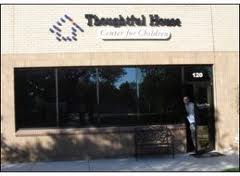
When he came to the U.S. he ended up at Thoughtful House in Austin, Texas:

ThoughtfulHouse

He has since left Thoughtful House, and is now running the “Strategic Autism Initiative”. The business listings for Texas show an address for this newly incorporated entity.

That address appears to be a mailbox in a Pak Mail shop in Austin Texas.

PackMail


By Matt Carey
note: I edited this to reinsert images lost during the move of the blog

OSR: The Littlest Consumers and other posts from Neurodiversity.com

14 Jul

There has been much discussion here and elsewhere on the net about OSR #1, the chelation chemical sold as “oxidative stress relief” supplement. The latest round of this was sparked by a story in the Chicago Tribune, FDA warns maker of product used as alternative autism treatment.

Much of the early investigation of OSR #1, it’s origins as an industrial chelator and so on, were done by Kathleen Seidel of Neurodiversity.com. Ms. Siedel is probably the most thorough blogger (or writer of any kind) I know of. Her posts are long and detailed and well referenced.

Her recent post, OSR: The Littlest Consumer, takes on the subject of internet reports of OSR being given to small children. The website for OSR (CTI Science) states, OSR#1TM is not recommended for children under 55 pounds or under 4 years of age.”

And, yet, OSR appears to be being given to small children. Also, if the internet reports are accurate, this occurs sometimes under the advice of DAN doctors.

People interested in a thorough discussion of OSR can reference previous articles by Ms. Seidel include:

Haley’s Chelator: For Cats Or For Kids? (April 26, 2008)
A Fine White Powder (August 1, 2008)
The Industrial Treatment (August 8, 2008)
An Inquiry Emerges (August 14, 2008)
FDA To Haley: OSR#1 A Misbranded, Mislabeled, Unsafe Drug (June 24, 2010)
OSR: Fuel For Thought (July 7, 2010)
OSR: A Bevy Of Adverse Events (July 12, 2010)