OSR to be pulled from the market?

22 Jul

OSR #1, a chemical invented as a chelator and now marketed as a dietary supplement, will be pulled from the market in about 1 week’s time if the message below attributed to Boyd Haley is accurate:

On 18 June 2010, the FDA wrote to CTI Science questioning whether OSR#1® fit within the agency’s definition of a dietary supplement, indicating that instead it appeared to be a drug. Although we believe the product meets the legal definition of a “dietary supplement,” we have decided not to contest this point but to work with the agency. While achieving formal drug approval is lengthy and costly, CTI Science will in the course of it prove to FDA’s satisfaction the safety and efficacy of OSR#1® and ultimately be able to offer OSR#1® to the public with FDA-authorized therapeutic claims.

As a result of this decision, *CTI Science has voluntarily agreed to remove OSR#1® from the market effective Thursday, 29 July 2010*. The product will not be available for sale after that date until new drug approval has been obtained. Please continue to access our website, http://www.ctiscience.com , for updates on OSR#1® in the future.

On a personal note, I have met most of the medical professionals we deal with, and your passion and dedication to excellence are rarely seen these days. It has been an honor to work with you, and I am deeply appreciative of the support you have shown in the past. Please accept my best wishes for your continued success. I look forward to working with you in the future again with OSR#1®.

Boyd E. Haley, PhD

President
CTI Science-Color-EM
CTI Science, Inc.

The Twitter account for CTI science has the following message posted earlier today which would suggest the above message is accurate:

Registered Medical Professionals: Please review your email for an important message about the future availability of OSR#1®. http://www.OSR1.com

I will say that I welcome this move. I agree with the FDA that OSR #1 is not a dietary supplement and, as such, should undergo much more rigorous safety testing before being marketed.

More unidentified autistic adults found

17 Jul

One of the recurring themes heard in online discussions of autism is “where are the autistic adults?” The low number of identified adults is used as evidence of an epidemic and used to promote the vaccine-causation hypothesis.

A number of studies have started looking at adult populations and they always find a greater number of autistic adults than previously identified. Probably the largest study and the most discussed is one performed by the NHS in the UK which found a prevalence of about 1% in adults.

The NHS study looked at adults in the general population, outside of any institutional type setting.

One complaint that is often raised is where are the more severely challenged adults? The “obvious” autistics? How could they have been missed. Studies by Prof. Peter Bearman at Columbia and Prof. David Mandell have shown that, yes, we have miss counted autism in more challenged groups in the past.

Now a recent study from Iceland looks at autism in adults in Reykjavik with intellectual disabilities. They found that there were twice as many autistic adults than previously thought.

Prevalence of autism in an urban population of adults with severe intellectual disabilities – a preliminary study.

Saemundsen E, Juliusson H, Hjaltested S, Gunnarsdottir T, Halldorsdottir T, Hreidarsson S, Magnusson P.

State Diagnostic and Counselling Centre, Division of Autism, Kopavogur, Iceland.
Abstract

Background Research on the prevalence of autism in Iceland has indicated that one possible explanation of fewer autism cases in older age groups was due to an underestimation of autism in individuals with intellectual disabilities (IDs). The present study systematically searched for autism cases in the adult population of individuals with severe ID living in the city of Reykjavik, Iceland. Methods Potential participants (n = 256) were recruited through the Regional Office for the Affairs of the Handicapped in Reykjavik. First, a screening tool for autism was applied, followed by the Childhood Autism Rating Scale and finally the Autism Diagnostic Interview-Revised (ADI-R). Results The point prevalence of severe ID was 3.7/1000 (95% CI 3.2-4.1) with a male-female ratio of 1.2:1. Participation rate in the study was 46.5%. Participants were younger than non-participants and more often residents of group homes. The prevalence of autism was 21% (25/119) (95% CI 14.7-29.2) with a male-female ratio of 1.8:1. Of the individuals with autism, 10/25 (40%) were verbal according to the ADI-R definition, and 18/25 (72%) had active epilepsy and/or other neurological conditions and handicaps. Conclusion The study identified twice the number of autism cases than those previously recognised within the service system. Autism is a prevalent additional handicap in individuals with severe ID, which should always be considered in this population. There are indications that the estimated prevalence of autism found should be considered minimal.

Does this show that there has been no “epidemic”? No. But it does show (again) that the idea that autistics are so obvious that they couldn’t be missed is, well, a myth.

Withdrawn Monkey Study paper to re-emerge without Wakefield as an author

16 Jul

Consider this paper, now withdrawn:

WITHDRAWN: Delayed acquisition of neonatal reflexes in newborn primates receiving a thimerosal-containing Hepatitis B vaccine: Influence of gestational age and birth weight.

Hewitson L, Houser LA, Stott C, Sackett G, Tomko JL, Atwood D, Blue L, White ER, Wakefield AJ.

It was the big “Monkey Study” paper that was accepted for a major journal last year. It was called a “blockbuster” study at the time. Well, to Mark Blaxill at the Age of Autism it was a blockbuster. Caused a bit of a stir when Neurotoxicology withdrew the paper. Again, to the Age of Autism crowd. To the journal it only warranted a brief note, “This article has been withdrawn at the request of the editor. The Publisher apologizes for any inconvenience this may cause.”

The paper was withdrawn by the editors shortly after the Wakefield paper in The Lancet was withdrawn. It was withdrawn between the time it was published online but before it was published in a physical journal.

We’ve been told it will appear again. And, according to the references in the recent paper by Prof. Hewitson’s team, it will appear in the Journal of Toxicology and Environmental Health, Part A: Current Issues.

Hewitson L, Houser L, Stott C, Sackett G, Tomko J, Atwood D, Blue L, White ER
Delayed acquisition of neonatal reflexes in newborn primates receiving a thimerosal-containing hepatitis B vaccine: Influences of gestational age and birth weight.
J Toxic Environ Health Part A;
DOI: 10.1080/15287394.2010.484709.

Interesting. Andrew Wakefield has been dropped as an author.

When I do a search for Hewitson at that journal, I get no hits. I also don’t get a hit for the DOI number.

I also don’t find anything for a search “Delayed acquisition of neonatal reflexes” in pubmed.

If someone has a link to the paper already being published, let me know. But it looks to me like advance notice of where this paper will re-appear.

If you would like to read about that study, Orac at Respectful Insolence covered it in Some monkey business in autism research, 2009 edition. and 20 Monkeys by ScienceMom at JustTheVax

The genie is out of the bottle. Part II – more genies, more bottles

16 Jul

Was it any surprise that the journal that published the recent Hewitson stinker did so? Not really. Straight from the opening lines of the Editorial the direction this journals ‘science’ would take was clear:

This issue of Acta Neurobiologiae Experimentalis is fully devoted to the issues of autism. The idea for this topic came from Professor Dorota Majewska…

Did it indeed? I wonder if this is the same Professor Dorota Majewska who has signed her name at We Support Andy Wakefield? I’m not sure how common this name is but it would be a monumental coincedence if they weren’t one and the same person.

Getting back to the Editorial, we see some familar names from the outliers of scientific credibility – Hitlan, DeSoto, Geier – that give pause to the peer review process this journal makes its papers undertake. Are they aware of how little regard these names and their associated ‘science’ is held in in more prestigious journals and law courts?

The Editor discusses the Hewitson paper thusly:

An alarming finding is reported by Hewitson and coworkers (Ref. 4), showing that, in infant monkeys that were immunized, the amygdala does not show the normal pattern of maturation but is hypertrophied. Although these are only preliminary data, given the well-known role of the amygdala in generation of fear and other negative emotions, they support the possibility that there is a link between early immunization and the etiology of autism

How is it that an Editor and his peer review team missed that which LB/RB’s own Sullivan caught immediately? That according to this ‘alarming’ paper, pieces of the control subjects brains apparently shrank during the course of the experiment. That would certainly be an alarming result – if it were in any way true. How could it be accounted for? Too few animals in the control group or maybe just bad maths. Either way, to describe this paper as alarming might be accurate – but not necessarily for the reason that the Editor obviously feels.

They also seemed to miss Sullivan’s other finding – that two of the subjects just disappeared from the paper. To quote Sullivan:

Weren’t there 4 monkeys in the control group and 12 monkeys in the vaccinated group? What happened to the other 2 of the control subjects?

Shoddy.

From IMFAR to Poland: how a monkey study can totally change

16 Jul

I just blogged about a new paper “proving” once again that vaccines cause autism. This is a paper from Mr. Wakefield’s team. Thanks to a link provided by KWombles of the Countering Age of Autism blog, we can compare the current paper to what the authors claimed two years ago.

Here is the new paper (published in a journal from Poland):
Influence of pediatric vaccines on amygdala growth and opioid ligand binding in rhesus macaque infants: A pilot study

by Hewitson L. Lopresti B, Stott C, Mason N.S., Tomko.

Here is the abstract from IMFAR in 2008:

Pediatric Vaccines Influence Primate Behavior, and Amygdala Growth and Opioid Ligand Binding

L. Hewitson , Obstetrics, Gynecology and Reproductive Sciences, University of Pittsburgh, Pittsburgh, PA
B. Lopresti , Radiology, University of Pittsburgh, Pittsburgh, PA
C. Stott , Thoughtful House Center for Children, Austin, TX
J. Tomko , Pittsburgh Development Center, University of Pittsburgh, Pittsburgh, PA
L. Houser , Pittsburgh Development Center, University of Pittsburgh, Pittsburgh, PA
E. Klein , Division of Laboratory Animal Resources, University of Pittsburgh, Pittsburgh, PA
C. Castro , Obstetrics, Gynecology and Reproductive Sciences, University of Pittsburgh, Pittsburgh, PA
G. Sackett , Psychology, Washington National Primate Research Center, Seattle, WA
S. Gupta , Medicine, Pathology & Laboratory Medicine, University of California – Irvine, Irvine, CA
D. Atwood , Chemistry, University of Kentucky, Lexington, KY
L. Blue , Chemistry, University of Kentucky, Lexington, KY
E. R. White , Chemistry, University of Kentucky, Lexington, KY
A. Wakefield , Thoughtful House Center for Children, Austin, TX

Background: Macaques are commonly used in pre-clinical vaccine safety testing, but the combined childhood vaccine regimen, rather than individual vaccines, has not been studied. Childhood vaccines are a possible causal factor in autism, and abnormal behaviors and anomalous amygdala growth are potentially inter-related features of this condition.

Objectives: The objective of this study was to compare early infant cognition and behavior with amygdala size and opioid binding in rhesus macaques receiving the recommended childhood vaccines (1994-1999), the majority of which contained the bactericidal preservative ethylmercurithiosalicylic acid (thimerosal).

Methods: Macaques were administered the recommended infant vaccines, adjusted for age and thimerosal dose (exposed; N=13), or saline (unexposed; N=3). Primate development, cognition and social behavior were assessed for both vaccinated and unvaccinated infants using standardized tests developed at the Washington National Primate Research Center. Amygdala growth and binding were measured serially by MRI and by the binding of the non-selective opioid antagonist [11C]diprenorphine, measured by PET, respectively, before (T1) and after (T2) the administration of the measles-mumps-rubella vaccine (MMR).

Results: Compared with unexposed animals, significant neurodevelopmental deficits were evident for exposed animals in survival reflexes, tests of color discrimination and reversal, and learning sets. Differences in behaviors were observed between exposed and unexposed animals and within the exposed group before and after MMR vaccination. Compared with unexposed animals, exposed animals showed attenuation of amygdala growth and differences in the amygdala binding of [11C]diprenorphine. Interaction models identified significant associations between specific aberrant social and non-social behaviors, isotope binding, and vaccine exposure.

Conclusions: This animal model, which examines for the first time, behavioral, functional, and neuromorphometric consequences of the childhood vaccine regimen, mimics certain neurological abnormalities of autism. The findings raise important safety issues while providing a potential model for examining aspects of causation and disease pathogenesis in acquired disorders of behavior and development.

Emphasis added by me.

Why? First, to point out the change in the author list. Of 13 authors on the original abstract, only 4 remain. One can speculate as to why the others were dropped (or pulled their names) from the author list.

A new author was added, N.S. Mason.

How about other changes? Well, 2 years ago they had data on 13 vaccinated monkeys. Now it is only 9. Two years ago they had data on 3 controls. Now it is only 2.

What happened?

OK, while you are working that one out, here’s the big one. Two years ago the vaccinated monkeys “showed attenuation of amygdala growth”

Now, the amygdalas are larger in the vaccinated monkeys. What? Yep. Before they had “attenuated growth” and now they are growing faster than the unvaccinated animals?

The genie is out of the bottle: vaccines cause autism

16 Jul

That’s what you will read if you check out discussions of a new paper, Influence of pediatric vaccines on amygdala growth and opioid ligand binding in rhesus macaque infants: A pilot study, by L. Hewitson, B. Lopresti, C. Stott, N.S. Mason, and J. Tomko.

If you are wondering, yes, that is the same Laura Hewitson of Thoughtful House who first presented the “monkey studies” at IMFAR a few years back. And, yes, that is Carol Stott, formerly of Cambridge. And, yes, this is a part of the Wakefield-team “monkey studies” which has had such a checkered history.

What is this new study about? Well, here’s the abstract:

This longitudinal, case-control pilot study examined amygdala growth in rhesus macaque infants receiving the complete US childhood vaccine schedule (1994-1999). Longitudinal structural and functional neuroimaging was undertaken to examine central effects of the vaccine regimen on the developing brain. Vaccine-exposed and saline-injected control infants underwent MRI and PET imaging at approximately 4 and 6 months of age, representing two specific timeframes within the vaccination schedule. Volumetric analyses showed that exposed animals did not undergo the maturational changes over time in amygdala volume that was observed in unexposed animals. After controlling for left amygdala volume, the binding of the opioid antagonist [11C]diprenorphine (DPN) in exposed animals remained relatively constant over time, compared with unexposed animals, in which a significant decrease in [11C]DPN binding occurred. These results suggest that maturational changes in amygdala volume and the binding capacity of [11C]DPN in the amygdala was significantly altered in infant macaques receiving the vaccine schedule. The macaque infant is a relevant animal model in which to investigate specific environmental exposures and structural/functional neuroimaging during neurodevelopment.

Basically, they took 16 monkeys (rhesus macaque or Macaca mulatta). 12 of them were given vaccines in a schedule intended to mimic the U.S. vaccine schedule of the 1990’s, including thimerosal (which was added). 4 were given saline injections (controls). MRI scans were taken. “Time One (T1) at approximately 4 months of age and Time Two (T2) at approximately 6 months of age.”

From the abstract we see that they found that the “Volumetric analyses showed that exposed animals did not undergo the maturational changes over time in amygdala volume that was observed in unexposed animals.”

In other words, the amygdala volume was different from the controls at T2 for the monkeys given vaccines.

Want some more detail? Well, in regards to the right amygdala:

For the exposed group there was a nonstatistically significant increase in right amygdala volume over time (P=0.16; Table IIa). For the unexposed group there was a significant drop in right amygdala volume over time (P<0.0001; Table IIa).

Read that again. Did they just say that a piece of the brains of the control animals shrank between 4 months of age and 6 months of age?

They did. That’s what their data show. It seemed so odd to me that I double (and triple) checked. I’m sort of visual in how I like to take in data, so here is Figure 4(A) from the paper. This shows the left amygdala size for the two times (T1=4 months of age and T2=6 months of age). I’ve added text to the graph. It is in red so you know what I added. (click to enlarge)

The dotted lines are for the “exposed” animals. I.e. those vaccinated. The solid line is for the “unexposed” animals. See how at T1 they have amygdala sizes that are about the same size? But at T2 (2 months later) the amygdalas of the “unexposed” animals have shrunk, while the amygdalas of the exposed/vaccinated animals grew a little.

I’m not a primate expert, but it bothers me somewhat to hear that a piece of the brain might shrink. I would expect in my own naive way that pieces of the brain would grow as monkeys mature, so I decided to check: has anyone looked at amygdala size in Rhesus Macaques as a function of age? It turns out there is a paper just out in 2009, “Maturation of the Hippocampal Formation and Amygdala in Macaca mulatta: A Volumetric Magnetic Resonance Imaging Study” by Christa Payne et al. from the University of Texas and Emory University. They also were working with small numbers (11 in the male group). Here is Figure 6(A) from that paper:

FIGURE 6. Modeled developmental trajectories for left (thick, thatched lines) and right (thin, solid lines) amygdala volume in males (A) and females (B). Actual volume measurements are represented by filled (left hemisphere) and open (right hemisphere) symbols.

One line is for the left amygdala, and one for the right. Same with the datapoints, the filled are for one side, the hollow for the right. But the basic idea is clear–the amygdala grows with time in monkeys, not shrink. Yes, seems obvious, but I had to check.

How could the Hewitson paper report that the control monkeys have shrinking amygdalas? One possible answer: too few monkeys in the control group. There is a lot of scatter in the amygdala data from the U. Texas paper. If someone has only a couple of datapoints, they might get some strange results.

The Hewitson paper had really small numbers:

“A complete set of MRI data at both T1 and T2 were obtained from 9 exposed and 2 unexposed animals.”

But, wait, remember above? Weren’t there 4 monkeys in the control group and 12 monkeys in the vaccinated group? What happened to the other 2 of the control subjects? There weren’t many to begin with but half of the control group are missing in the data? What’s the reason for that? No, that’s a real question which I can’t find answered in the paper: what happened to the two other controls?

This paper is generating quite a bit of interest in places like the Age of Autism blog. Unfortunately for them, this paper is not the genie getting out of the bottle. Just another low quality paper. Just another 16 monkeys giving their lives for nothing.

Andrew Wakefield: a career in pictures

14 Jul

Those who know about Andrew Wakefield know he worked at the Royal Free Hospital in London. That’s where he did the work on Crohn’s disease and his initial work with autistic children.

RoyalFree

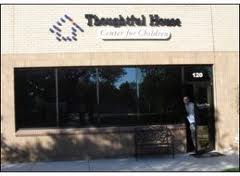
When he came to the U.S. he ended up at Thoughtful House in Austin, Texas:

ThoughtfulHouse

He has since left Thoughtful House, and is now running the “Strategic Autism Initiative”. The business listings for Texas show an address for this newly incorporated entity.

That address appears to be a mailbox in a Pak Mail shop in Austin Texas.

PackMail


By Matt Carey
note: I edited this to reinsert images lost during the move of the blog

OSR: The Littlest Consumers and other posts from Neurodiversity.com

14 Jul

There has been much discussion here and elsewhere on the net about OSR #1, the chelation chemical sold as “oxidative stress relief” supplement. The latest round of this was sparked by a story in the Chicago Tribune, FDA warns maker of product used as alternative autism treatment.

Much of the early investigation of OSR #1, it’s origins as an industrial chelator and so on, were done by Kathleen Seidel of Neurodiversity.com. Ms. Siedel is probably the most thorough blogger (or writer of any kind) I know of. Her posts are long and detailed and well referenced.

Her recent post, OSR: The Littlest Consumer, takes on the subject of internet reports of OSR being given to small children. The website for OSR (CTI Science) states, OSR#1TM is not recommended for children under 55 pounds or under 4 years of age.”

And, yet, OSR appears to be being given to small children. Also, if the internet reports are accurate, this occurs sometimes under the advice of DAN doctors.

People interested in a thorough discussion of OSR can reference previous articles by Ms. Seidel include:

Haley’s Chelator: For Cats Or For Kids? (April 26, 2008)
A Fine White Powder (August 1, 2008)
The Industrial Treatment (August 8, 2008)
An Inquiry Emerges (August 14, 2008)
FDA To Haley: OSR#1 A Misbranded, Mislabeled, Unsafe Drug (June 24, 2010)
OSR: Fuel For Thought (July 7, 2010)
OSR: A Bevy Of Adverse Events (July 12, 2010)

Now is your chance to tell the US Government what autism research should focus upon

13 Jul

I got this reminder notice today. You can give the IACC (Interagency Autism Coordinating Committee) your views on what is important in autism research:

Reminder: IACC 2010 RFI to Inform the 2011 Update of the IACC Strategic Plan is Open Until Friday, July 30, 2010

In June 2010 the IACC issued a formal Request for Information (RFI) to solicit public input to inform the 2011 update of the IACC Strategic Plan for Autism Spectrum Disorder Research. During the six-week public comment period (June 18 – July 30, 2010), members of the public are asked to provide input to the committee on what has been learned in the past year about the issues covered in each of the seven chapters of the IACC Strategic Plan, and on what are the remaining gaps in the subject area covered by each chapter. In addition, the committee is seeking input on the introductory chapter and other general comments about the Strategic Plan. Comments collected through this RFI will be posted to the IACC web site after the closing date.

If you would like to respond to the RFI, please go to: http://www.acclaroresearch.com/oarc/2010rfi/. Responses will be accepted until Friday, July 30, 2010.

Boyd Haley discusses OSR #1 in the Lexington Harald-Leader

12 Jul

As noted here on LeftBrainRightBrain, OSR #1 is currently under scrutiny by the FDA. Our post followed a report by the Chicago Tribune, FDA warns maker of product used as alternative autism treatment.

OSR stands for Oxidative Stress Relief. It is a chemical invented at the University of Kentucky for chelating soil from mining operations. It was originally discussed at autism parent conferences as a chelator, but the focus has changed to “oxidative stress relief” over time. It has not been marketed, to my knowledge, by CTI Science for its chelator properties.

Today, Mr. Boyd Haley, who has been marketing OSR #1 through his company CTI Science, has made a public statement as an Op-Ed piece in his local newspaper, the Lexington Harold-Leader:

Dietary supplement safe for right use
chemical name might be confusing; toxic effects low

First, I note that previous statements have indicated that OSR is “totally” without toxicity. Now the statement is “toxic effects low”.

Mr. Haley starts his piece on the offensive:

This is just one of several Chicago Tribune articles focusing on criticism of doctors who treat autistic children, raising similar concerns to that of a fringe group called Neurodiversity, which thinks autism should be celebrated instead of treated.

He then defends his product:

It is critical to be noted that there has been no report of any significant adverse effect for OSR#1. Our legal representation has contacted the Food and Drug Administration and we are working with the agency to resolve its concerns.

Mr. Haley is apparently unaware of the potential adverse effects reported on internet forums for his product. Kathleen Seidel of neurodiversity.com has a piece up OSR: A Bevy Of Adverse Events today which may be enlightening.

Mr. Haley notes that his company has made no medical claims about the efficacy of OSR. He then offers a statement about the compound he is marketing:

The letter from the FDA might also have been caused by a naming misconception. The chemical name of OSR#1 is N1N3-bis-(2-mercaptoethyl)isophthalamide, which might imply a complex chemical with no natural components.

However, the structure of OSR#1 contains a benzoate group (found in cranberries) and two cystamines (a metabolite of cysteine and found in all meats).

The FDA description of a dietary supplement extracted from their warning letter is: “a vitamin, mineral, amino acid, herb or other botanical, or dietary substance for use by man to supplement the diet by increasing the total dietary intake, or a concentrate, metabolite, constituent, extract or combination of any dietary ingredient from the preceding categories.”

It is apparent that OSR#1 bears and contains one or more dietary ingredients and is why OSR#1 was submitted over two years ago to the FDA for consideration as a dietary supplement. It might be that the chemical name we placed on the label has confused this issue.

I don’t think it is the chemical name which has confused the issue. But maybe that is just me. When I read the patent that the University of Kentucky (Mr. Haley’s former institution) has licensed for use as OSR, I read this:

Multidentate sulfur-containing ligands
, patent 6,586,600

Which states that (a) the compound is “novel” and (b) it has the function of a chelator.

Novel sulfur-containing ligands for binding of heavy metals are disclosed. The ligands incorporate a central ring structure and pendant alkyl-thiol chains. The ligands are of the general structure: ##STR1##where n is an integer from 1-4, and X is selected from the group consisting of hydrogen, lithium, sodium, potassium, rubidium, cesium, and francium. The ligands of the present invention are suitable for binding any metal in or capable of being placed in a positive oxidation state, such as cadmium, lead, nickel, zinc, mercury, copper, and the like. Additionally, methods for removal of heavy metals from various substances are disclosed, comprising separating selected heavy metals from selected substances by contacting the substances with an effective amount of the novel sulfur-containing chelate ligands for a sufficient time to form stable, irreversible ligand-metal precipitates, and removing such precipitates.

In one of the Chicago Tribune pieces on OSR #1 a pharmacologist was quoted:

The company that makes the supplement, CTI Science, describes it as an antioxidant. But pharmacologist Dr. Arthur Grollman, director of the Laboratory for Chemical Biology at State University of New York at Stony Brook, said it is obvious from the product’s chemical structure that it is also a “powerful chelator,” a compound that binds to heavy metals such as mercury.

I will await the FDA’s review of whether a “novel” compound “might imply a complex chemical with no natural components”. Also, I will await whether under the law one can state that because a chemical has subgroups found in foods, it is a “combination of dietary ingredients”. It strikes this reader as unlikely that the FDA will agree with Mr. Haley’s position, however.

Consider this–take vitamin C powder and Vitamin D powder. Mix them up in whatever ratio you want. Put it in a pill. This is a combination of vitamins C and D. However, the molecules in the mixture exist in original form and can be considered to act in the body in their expected manners. The pill will work as vitamin C and vitamin D.

Now consider OSR #1. Assume that the molecule can be described as segments of various chemicals found in foods. However, the resultant molecule is “novel”, i.e. not found or synthesized previously. The resulting molecule will act in the body in a different manner than the sub-units.

Another way to look at this–if a person were to eat cranberries and meats (which contain the subunits of OSR #1 according to Mr. Haley), would one get the same results in the body? Is OSR “supplementing” the benzoate groups (found in cranberries) and two cystamines one would get from one’s diet?

Is OSR #1 safe or toxic? I don’t think the data are available to answer that question. And that presents a big question here: has sufficient study been performed? Is it appropriate to market this compound as a “supplement”? That will go a long way towards determining whether there is sufficient safety data. The FDA warning letter claimed that OSR #1 is not a supplement but a drug.