Archive | Epidemiology RSS feed for this section

Autism Rate 2%, what now?

25 Mar

Autism prevalence data are always news makers. Although, maybe it’s just me, but the announcement of a new autism prevalence estimate for the U.S. didn’t seem to be as big a news story as previous reports. That said, so much of the discussion around prevalence estimates centers on “what does this tell us about the past” or “what about the future”.

“What does this tell us about the past” is the discussion around “was there/is there an epidemic (usually with an explicit or implicit reference to vaccines)”. “What about the future” is usually a discussion focused on the economic burden and what happens in we project the trends out to the future.

But what about right now? We have roughly 2% of our school age children in the U.S. who are autistic. Disabled to various degrees. Probably a like number of adults as well. For those who don’t accept this notion, keep in mind that one of the major themes of the recent report was how a large fraction of autistics were identified late. They had fallen through the cracks and were possibly not receiving the supports they needed. We are talking teenagers, not just young children. It isn’t that great a leap to say that we there is a large population of unidentified autistic adults.

Most news stories and most discussion will focus on one number: 2%. I would argue, and will argue, that a factor of at least equal importance is not how many autistics there are, but how diverse this population is and how little is really known.

There is no biological test for autism. As this study and many others have shown, the understanding of what autism is, even behaviorally, is still evolving. And this is important whether you take a medical model of autism or a disability model or some combination of the two.

We (a society of autistic and non-autistic people) need to give autistics the tools and supports needed to succeed in this world, with various definitions of success. And we can’t do that if we don’t understand what is needed. 2% is a number that can grab people’s attention. And that includes politicians. But to me, the bigger issue is the breadth of the spectrum. The diversity of the autistic population. Consider the report again. There are so many ways to look at the data, but let me pick some facts to highlight. The prevalence estimate for 10-13 year olds was about 2.4%. Of this, roughly half fall into the so-called “mild” autism category. Only 5% of parents placed their child into the “severe” category. Of course, there is no real definition of mild, moderate, or severe to use for this, and parents might be biased to report milder needs, but let’s go with the structure we are given. But, in the end, 1%, 5%, 95%, is less important than the fact that there are subpopulations of autistics which needs a very different support structure than others.

Many people discussing the new prevalence values focus on the need to have the money to provide supports (be it in the home, the school or the workplace, medical or non-medical) for a wide variety of autistics. But in order to do that, we have to know what supports and tools are needed. I know this is getting repetitive, but no amount of money can give autistics, parents, teachers, caregivers and employers the tools needed if we don’t know what the appropriate tools are.

There is a broad spectrum of autism, and a broad spectrum of ages. Perhaps the most overlooked area of autism, be it research or supports and services, are the needs of adults. Many parents tend to categorize autism by IQ, with a linear spectrum with those with lower IQ’s on one side and those with higher IQ’s on the other. Even with this simple model, we have a huge matrix of needs for autistics: with age on one axis, and IQ on another. But the IQ-category idea is too simplistic. Which means, the real matrix of needs we have to understand is multidimensional.

Ask someone outside the community who has a basic understanding of the autism discussion, “what should we do for autistics?” and you are likely to get, “behavioral intervention”. OK, for some fraction of a young population, that may be a good answer. Maybe, one might argue, truly individualized education plans (IEP) will allow parents and teachers to customize supports for the needs of the autistic during school. That’s how it is supposed to work, but this process would be much more efficient if we had better recommendations for autistic students of all ages.

It is worth taking a moment here to point out that here is a point where more money directly into services is needed. Mention special education to a school administer and you are likely to hear “unfunded mandate”, “budget”, and “encroachment”. We in the U.S. have never lived up to our responsibility to support special education as promised from a federal level (federal special education support is less than 1/2 what was promised). And it isn’t like state and local governments are supporting special education to the levels needed.

But that’s just school. What about transition to adulthood? Thank god for people like Paul Shattuck who has been asking these questions, but this study only came out last year. And adulthood and autism has recently been referred to as “the great unknown” in one paper.

And medical issues? These get a lot of discussion, especially in online parent forums. Ask what medical conditions are more common in autistics and you will likely hear, “GI complaints”, “immune dysfunction”, “metabolic dysfunction”. Anyone want to venture a guess as to what are, by far, the most common comorbid conditions to autism in children? Neurological disorders and mental health conditions. Autistics are 25 times more likely to have one or both of these. And what happens in older populations? Another “great unknown”.

So, yes, 2% is big. And it’s important. And it will get people’s attention. But if we don’t know what tools or how to support any given segment of the population, it’s just saying how many people we can’t support.

Of course we need to take autism seriously. It doesn’t matter if 2%, 0.2% or 0.02% of the population are autistic, it is still important. But we need to recognize that there are whole areas of questions we haven’t even asked yet, much less found good answers for. It is hard to package this essage into a sound bite, but the focus needs to be on the breadth of the questions, not just te size of the population.


By Matt Carey

CDC-HRSA report: Changes in Prevalence of Parent-reported Autism Spectrum Disorder in School-aged U.S. Children: 2007 to 2011–2012

20 Mar

A new report came out today: Changes in Prevalence of Parent-reported Autism Spectrum Disorder in School-aged U.S. Children: 2007 to 2011–2012. I’ll come back for more detail and discussion soon, but the bottom line: the autism prevalence estimate for the US is now about 2%. 3.23% for boys.

Here is the press release for this:

CDC and HRSA issue report on changes in prevalence of parent-reported

Autism Spectrum Disorder in school-aged children

Who: CDC’s National Center for Health Statistics and the Health Resources and Services Administration

What: “Changes in Prevalence of Parent-Reported Autism Spectrum Disorder in School-Aged Children: 2007 to 2011-2012.”

The report was co-authored by HRSA and data collection was conducted by the CDC. The data come from the National Survey of Children’s Health, a nationally representative phone survey of households with children. This survey is conducted every four years.

Main findings of the report:

· The prevalence of parent-reported ASD among children aged 6-17 years was 2 percent in 2011-2012 compared to 1.2 percent in 2007.

· The change in prevalence estimates was greatest for boys and for adolescents aged 14 to 17 years.

· Children who were first diagnosed in or after 2008 were more likely to have milder ASD than those diagnosed in or before 2007.

· Much of the increase in the prevalence estimates from 2007 to 2011-2012 for school-aged children was the result of diagnoses of children with previously unrecognized ASD.

The report is available at http://www.cdc.gov/nchs.

For information about HRSA’s autism efforts visit http://mchb.hrsa.gov/programs/autism/index.html.

For information about CDC’s autism efforts visit http://www.cdc.gov/ncbddd/autism/index.html.

As indicated above, there are clearly social factors at play involving identification of individuals previously unidentified. For example: If one looks at the prevalence estimate for 6-9 year olds in 2007, a value of 1.31% was obtained. In 2010-11, the prevalence for children born in the same years (now aged 10-13 years old) is 2.39%. In other words, children born in the years 1998-2001 saw an big increase in the estimated autism prevalence.

For the 2010-11 report, about 1/3 of the children were diagnosed after 2008. These are children 6-17 years old, so they were born in 2005 and before. About 30% of children born in 1998-2001 were diagnosed after 2008. These are children aged 7-13.

And, yes, this means that the thimerosal hypothesis, the notion that the increased exposure to thimerosal from vaccines in the 1990’s cause an autism-epidemic, is even less viable. There are obviously a number of social influences behind the increase in autism prevalence estimates in the U.S.. These could mask a “real” increase (or, interestingly, a real decrease). But had thimerosal been a primary driver of the increased prevalence, the prevalence would be dropping. The prevalence for children 6-9 years old, children born after the phase out of thimerosal, now is estimated at 1.82%.


By Matt Carey

California Special Education autism counts, ages 3-5 over the past decade

27 Feb

The California Department of Developmental Services data, once called “the gold standard” for autism epidemiology by those promoting the vaccine-autism link, shows that autism rates are higher today for kids who did not receive thimerosal containing vaccines compared to those who did. This was discussed recently in No, the autism prevalence in California did not go down after removing thimerosal from vaccines.

Here are those data:
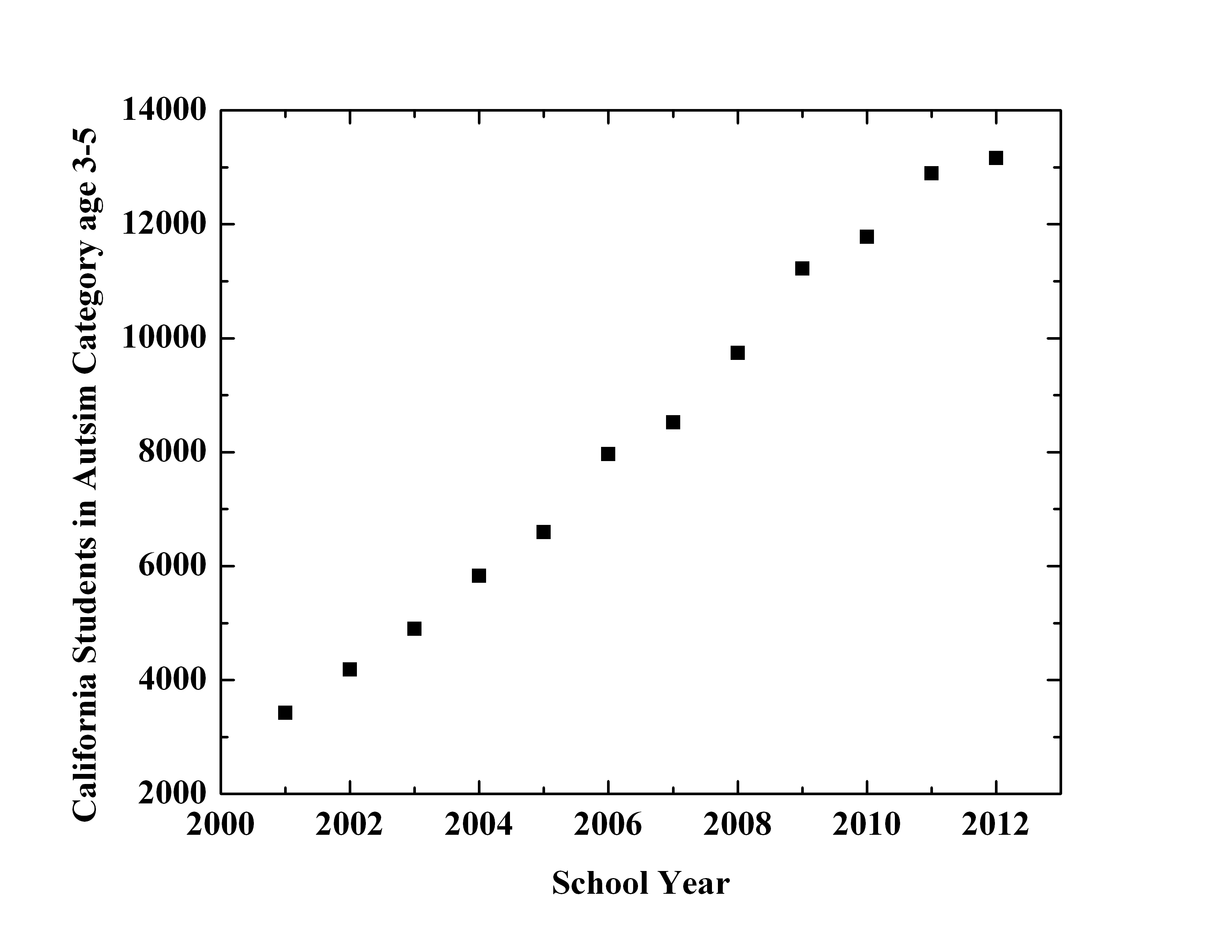
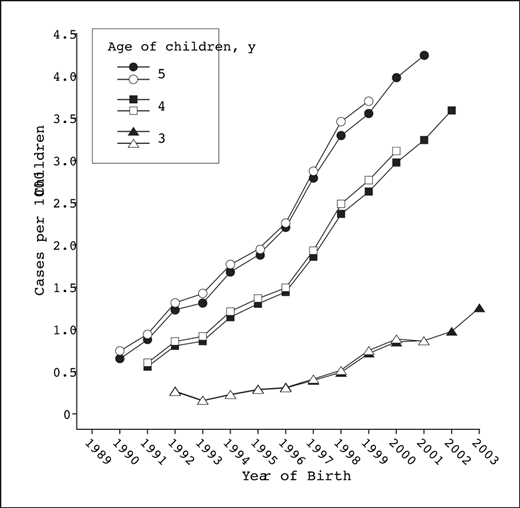
California SpEd age 3-5

As noted previously, thimerosal was removed from vaccines nationwide, phasing out production by 2001. California passed a law prohiting the administration of vaccines with thimerosal in pregnant women and children under 3 from 2006 onwards. So, kids 3-5 in 2012 did not receive thimerosal from vaccines. And there are more kids in the Autism special ed category in 2012 than in any year previously. The trend is a relatlively smooth increase over time.

It is very clear that these data do not in any way indicate a drop in the increase in autism special ed rates with the removal of thimerosal.

Add to that, vaccine uptake in general and MMR in specific are not changing much over time.

Special Ed data and CDDS data are not the best for tracking autism, especially in such a raw form as this. But these are exactly the tools that were used for years to promote the idea that vaccines cause autism. I don’t think it is a coincidence that there aren’t webistes and discussions devoted to special education any more. I’ll await the claim that it must be the rotavirus vaccine…which contains neither thimerosal, measles virus or aluminum.


By Matt Carey

No, the autism “rate” in California did not go down after removing thimerosal from vaccines

26 Feb

I recently attended a talk where the speaker showed autism prevalence by age group for a large HMO in California. The administrative prevalence (fraction of people in the HMO identified autistic) was still going up as of 2010, and the speaker indicated this trend continued to 2012. California is an interesting case study because not only was thimerosal removed from vaccines along with the rest of the U.S. starting in the late 1990’s, but the state enacted a law which required that pregnant women and children under three be given thimerosal free vaccines from 2006 onward. So, with the exception of an an exemption in 2009 and another one right now, even the influenza vaccine in thimerosal free. I bring this up because it is a common argument that somehow the exposure from the flu vaccine is keeping the rate climbing, even though at most this is a lower exposure than that from the 1990’s pediatric vaccine schedule.

This all said, the talk made me dive back into looking at autism prevalence. I decided to finally write about the fact that the autism prevalence in Denmark is higher post thimerosal than while thimerosal containing vaccines were in use. This is completely unsurprising, but a myth has been propogating that it came down and that fact was being hidden.

As it turns out I also checked back with what once was the most common source of autism data for the armchair epidemiologist: the California Department of Developmental Services (CDDS). (I admit one could argue that Special Education data are the most common source for the armchair epidemiologist). The CDDS provides services to disabled Californians and keeps and makes public statistics on their client base. For a long time, every quarter they would come out with a report. For a long time, every quarter these reports would be followed by announcements about how the data showed that vaccines cause autism. One of the people you could always count on was David Kirby (author of the book, Evidence of Harm: Mercury in Vaccines and the Autism Epidemic: A Medical Controversy, and basically a PR man for some of the vaccine-causation groups). Mr. Kirby went so far as to claim that these data were the “gold standard of autism epidemiology”. Well, the data had their uses (such as identifying and quantifying some of the social influences behind the increase) but it is not an easy task to get results from them. The idea that they represent an accurate count of all those with ASD’s (or even accurately account for all individuals with autistic disorder) is a stretch.

But this didn’t stop David Kirby. Back in 2005, David Kirby was claiming that there was an indication that the administrative prevalence in California was starting to drop, and if the trend continued this was a sign that the removal of thimerosal was having an effect:

Stay tuned. If the numbers in California and elsewhere continue to drop – and that still is a big if — the implication of thimerosal in the autism epidemic will be practically undeniable.

Well, by 2007 it was clear that the California data were not really showing a drop. In addition, the lack of a drop was published in 2008 as Continuing increases in autism reported to California’s developmental services system: mercury in retrograde.\

The rise in the number of autism clients in the CDDS database was key to the idea of the mercury-induced epidemic. David Kirby (and others) relied on these data and Mr. Kirby even acknowledged that the data should start showing a drop (statement from 2005):

If the total number of 3-5 year olds in the California DDS system has not declined by 2007, that would deal a severe blow to the autism-thimerosal hypothesis.

The reason is that 5 year olds in 2007 were born after the removal of thimerosal from vaccines. Their exposure to thimerosal was much less than kids in the 1990’s. If the “thimerosal caused an autism epidemic” idea were true, the rates would have to drop. They should drop back to pre-1990 (actually pre 1980) levels if thimerosal were the main, or even a main, cause of the rise.

My recollection is that Mr. Kirby did later backpedal and claim that we would have to wait until some much later date, but it was a weak argument (even by David Kirby standards).

Sorry to keep diving into past history, but one of the strangest moments in the mecury debate (and I can use the term this time, because there was a debate) came in San Diego in 2007. David Kirby debated Arthur Allen in the UCSD Price Center (about 100 yards from my old office, as it turns out). Presented with the fact that even though thimerosal exposure from vaccines had gone down, the California numbers kept going up, David Kirby presented (in something like 100 power point slides!) a four pronged response. First was a claim that California HMO’s had stockpiled thimerosal containing vaccines, so the exposure from vaccines didn’t really go down as much as reports were claiming. Then:

1) A gigantic plume of coal smoke from Chinese power plants has settled on California, depositing lots of mercury and therefore causing the autism numbers in the state to continue to grow.

2) Bad forest fires have put tons of mercury into the air, depositing lots of mercury etc…

3) Cremations (!). The burning of dead bodies with mercury amalgam in their mouths has added even more mercury to the air.

It was a hail Mary pass, to be blunt. Lot’s of handwaving and ignoring the facts.

In 2007, the CDDS changed the way they assessed and counted their clients and they stopped publishing the quarterly reports. As you can imagine, many claimed this was part of a conspiracy to hide the fact that the autism rates were declining in California. And with that the quarterly ritual of misinterpreting and deconstrucing the data came to an end.

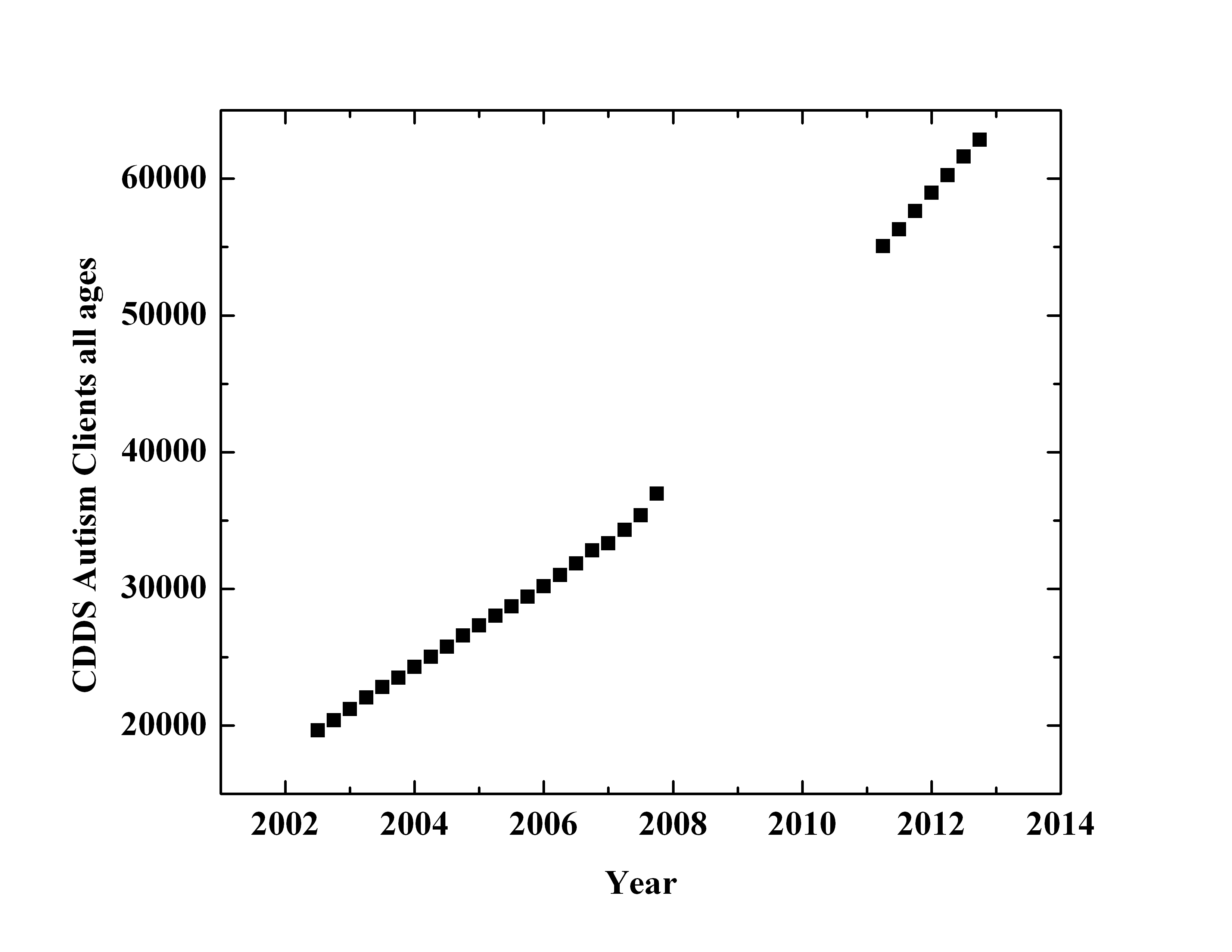
All amusing history, sure, but one might ask, why bring all this up again? Well, because it turns out that the CDDS started putting out quarterly reports again in 2011. Yes, there’s a gap of a few years in the data. Yes, some things changed (for example, the CDDS now shows the PDD fraction of autism client base). Given these limitations–and the other limitations in the CDDS data (i.e. they are *not* the “gold standard” of autism epidemiology), what do these data show? The upward trends continue. More individuals served by the CDDS with autism, even though thimerosal was removed from vaccines. Here’s the total–all ages–count for CDDS clients in the autism category (click to enlarge):

CDDS total

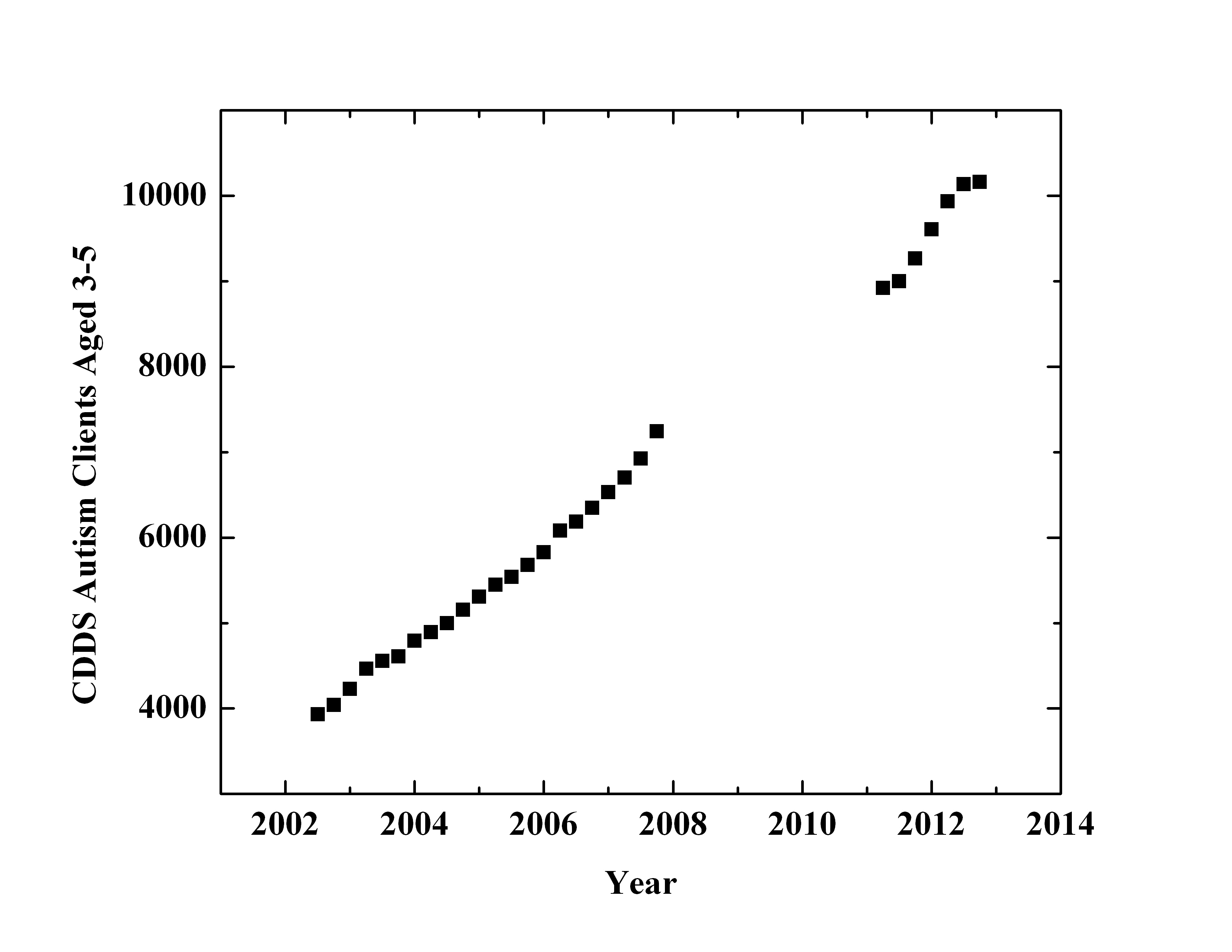
Looking at the younger age groups, those whose exposure to thimerosal is much lower than for kids born in the 1990s, there is also an increase. Here is the age 3-5 age group (click to enlarge)

CDDS 3-5

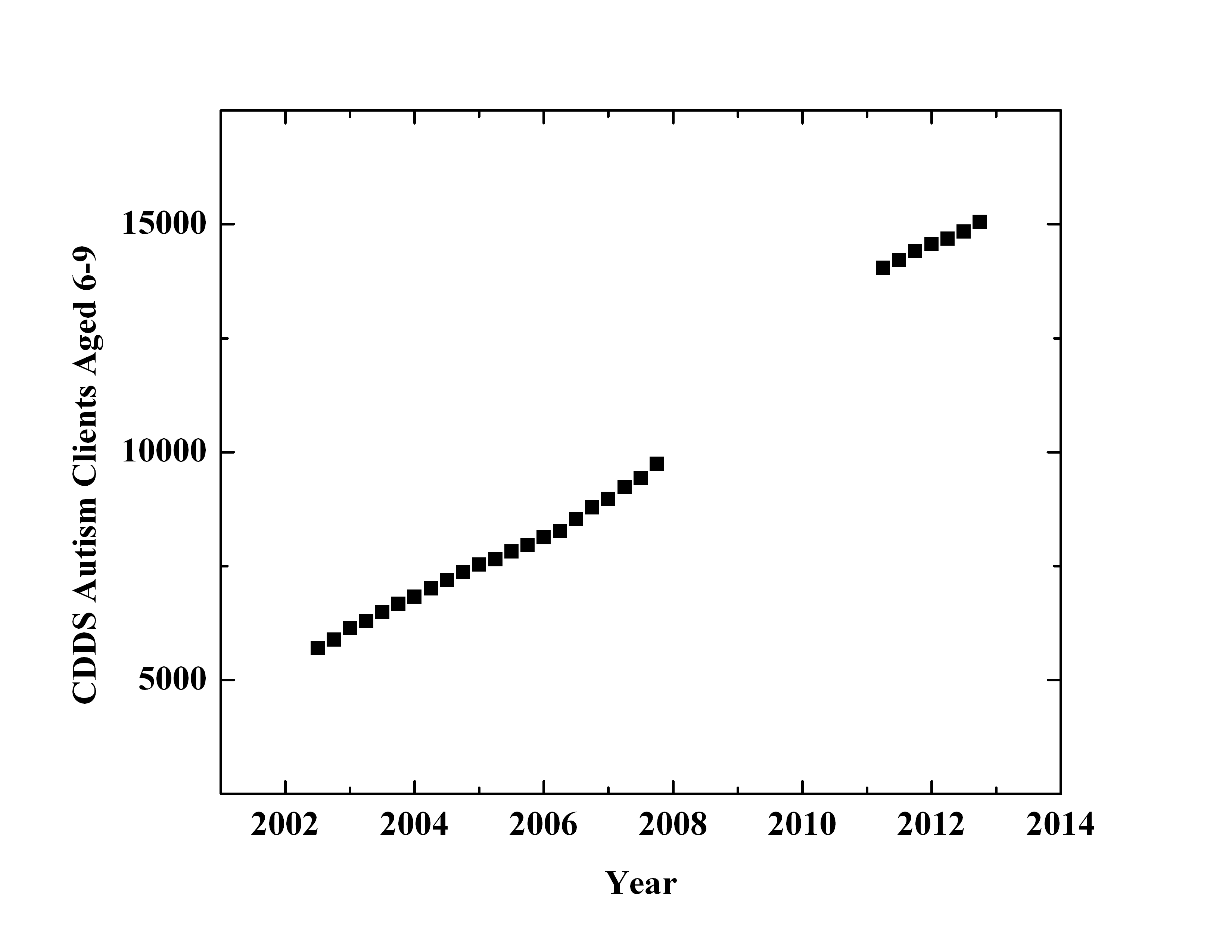
and the 6-9 age group (click to enlarge):

CDDS 6-9

9 year olds in 2012 were born in 2003. Post the removal of thimerosal nationwide. 5 year olds were born in 2007, post thimerosal nationwide and post the California law prohibiting mercury in vaccines for pregnant women and small children. In both groups, the CDDS autism counts are higher than they were in 2002 (the earliest date in the currently available data). Which, in turn, was much higher than the counts from the 1990’s. Here is a figure from the Schechter-Grether paper refenced above:

S-G CDDS paper figure

Which is all a very long way of saying: years ago the evidence was against the thimerosal/epidemic idea; it is even more clear now. For years we heard Mr. Kirby and others talk about how those responsible should step up and admit what happened. Well, the fact is they did. Now it is time for those who promoted the mercury notion to step forward and show they have the guts to admit they were wrong. Because they were. Clearly wrong. It would take a lot of guts to step forward and admit the mistakes. Even though their influence has waned, it would help the autism communities. While I have focused on David Kirby in this discussion, the list is much longer of people who should step forward. I’m not going to hold my breath.


By Matt Carey

No, the autism prevalence did not go down in Denmark after the removal of thimerosal

25 Feb

Once there was an open question of whether the thimerosal containing vaccines, previously used for infants in the U.S. could be contributing to the increase in autism diagnoses being reported. Even with multiple studies showing no increased risk due to thimerosal exposure, there is still a group who not only believes in the mercury-induced epidemic, but they believe that there has been a concerted effort on behalf of the U.S. government and other groups to hide this “fact”.

An email obtained through a freedom of information act (FOIA) request is often cited in online discussions of not only the “fact” that the mercury-induced-epidemic is real, but that the government conspiracy is real. The email reportedly was made by one of the authors of a study from Denmark. The authors had used a sort of natural experiment: Denmark had phased out thimerosal from vaccines in the early 1990’s. They reported that the prevalence of autism continued to increase even with the phase out, thus indicating that thimerosal was not the driving force behind the increase.

The study, by Madsen, et al., was published in 2003. An email obtained by FOIA reportedly shows the authors removing data for the final years of the study period:

I need to tell you that the figures in the manuscript do not include the latest data from 2001….But the incidence and prevalence are still decreasing in 2001.

Sounds alarming, doesn’t it? Data which supposedly shows that autism rates actually dropped following the removal of thimerosal was removed from a paper. Well, I think they should have included the data, a possible explanation and done a follow-up study. That said, the statement really doesn’t bother me. Why? A few reasons but mainly because the data are clear that autism prevalence did continue to go up in Denmark. And much of that data are below.

First, what was the prevalence in the 1990s? Here’s a study from 2007. They were using data where from 2004 (followup through 2004):

Time trends in reported diagnoses of childhood neuropsychiatric disorders: a Danish cohort study. 2007
ASD:
Birth cohort 1994-1995. Prevalence: 0.58%
Birth cohort 1995-1996. Prevalence: 0.47%
Birth cohort 1998-1999. Prevalence: 0.32%

Childhood autism:
Birth cohort 1994-1995. Prevalence: 0.18%
Birth cohort 1995-1996. Prevalence: 0.17%
Birth cohort 1998-1999. Prevalence: 0.18%

Yes, they are showing ASD prevalence dropping in the 1990’s, which should be an admission that the prevalence went down after the removal of thimerosal! I guess they forgot to censor that paper. While ASD prevalence seems to be going down, Childhood Autism is relatively flat. Why would that happen, do you think? Here’s one reason: average age of diagnosis for autistic disorder (childhood autism) is lower than that for the other ASD’s. While autism is not as obvious as many would have us believe, childhood autism *is* more obvious than the other ASD’s (and even with that it gets missed). Consider 1998-1999. That’s only 5 years or so until the followup date from the study: 2004. Average age of diagnosis for ASD in Denmark was about 5 years. So, about 1/2 of the ASD kids born 1998-1999 were not diagnosed at the time of the study. More of the ASD kids born in 1995-1996 and even more of those from 1994-1995. So, what looks like a declining prevalence is most likely just an artifact of how many years of follow-up there were from birth to study date.

I’d say it is even more than “looks like”. Consider the studies below. These are the papers I could easily find that give autism prevalence values for Denmark. I give the title, with a link to pubmed, the year of the study, the birth cohorts reported and the prevalence.

Autism prevalence in the 1990’s?

a href=”http://www.ncbi.nlm.nih.gov/pubmed/14519711″>Association between thimerosal-containing vaccine and autism. 2003
Birth cohort 1990-1996. Prevalence 0.26%

Autism prevalence for cohorts including kids born after 2000? More like 1%. Consider this first paper:

Autism after infection, febrile episodes, and antibiotic use during pregnancy: an exploratory study. 2012
Birth cohorts 1997-2003. Prevalence: 1%

But there are more. The cohorts don’t always match between studies, and we don’t have individual years for kids born 2000 and later. But the prevalence is repeatedly reported as above the 0.26% found for the 1990’s.

In other words, the prevalence continued to go up.

Using maternally reported data to investigate the association between early childhood infection and autism spectrum disorder: the importance of data source. 2012
Birth cohorts 1997-2003. Prevalence: 1%

Parental age and autism spectrum disorders. 2012
Birth cohorts 1980-2003. Prevalence: 0.73%

The rising prevalence of autism: a prospective longitudinal study in the Faroe Islands. 2012
Birth cohort 2002. Prevalence: 0.56%
Birth cohort 2009. Prevalence:0.94%

A comparison of autism prevalence trends in Denmark and Western Australia. 2011
Birth cohort not in abstract. Prevalence (ASD) 0.685%

Risk of autism spectrum disorders in children born after assisted conception: a population-based follow-up study. 2011
Birth cohort 1995-2003. Prevalence: 0.61%

Association of hospitalization for infection in childhood with diagnosis of autism spectrum disorders: a Danish cohort study. 2010
Birth cohort 1980-2002. Prevalence 0.52%

Association of family history of autoimmune diseases and autism spectrum disorders. 2009
Birth Cohort 1993-2004. Prevalence: 0.48%

The incidence and prevalence of pervasive developmental disorders: a Danish population-based studyBirth cohort 1971-2000. Prevalence 34.4 (“corrected”)

Association between thimerosal-containing vaccine and autism. 2003
Birth cohort 1990-1996. Prevalence 0.26%

A population-based study of measles, mumps, and rubella vaccination and autism 2002
Birth cohort 1991-1998. Prevalence: 0.14%

The more early birth cohorts a given study uses, the lower the average prevalence. The more years included post 2000, the closer the prevalence is to 1%.

Sure, it would be great if we had data for prevalence by individual birth year going to 2000 and beyond. But there’s enough data above to make it clear that the autism prevalence in Denmark did not go down after 2000. Quite the contrary. Similarly, measures of autism prevalence in my home state, California, have continued to go up even after thimerosal was removed.

The idea that thimerosal caused an autism-epidemic is just not consistent with the facts. The same data people used over and over to make the argument that thimerosal causes autism–the various autism prevalence estimates–don’t support the idea any more. Thimerosal went away, autism prevalence continued to climb.

So I’m just not swayed when I read people write about how the autism prevalence went down in Denmark with the removal of thimerosal. It didn’t go down. It is sad that people are being misled to think there is still some substance to the mercury-epidemic idea. Cherry pick one email out of how many FOIA’d documents, present it out of context and play it up as something real–while ignoring the evidence that is right in front of you. This is not treating the autism community with respect. This is misleading people.


By Matt Carey

Folic acid supplements and autism

22 Feb

A recent study claims that women who take folic acid supplements before conception are at a lower risk of having an autistic child. In Association Between Maternal Use of Folic Acid Supplements and Risk of Autism Spectrum Disorders in Children the authors found that the odds of a child being autistic were 40% lower if the mother took prenatal folic acid supplements.  The researchers used the Norwegian Mother and Child Cohort Study(MoBa). A couple of points need to be raised: the report focused on autistic disorder, not ASD’s in general. The number of individuals with Asperger syndrome or PDD-NOS were low, limiting the ability to detect differences.  Given that limitation, they found no decreased risk for AS and PDD-NOS with pre conception folic acid supplementation.

Here is part of the abstract:

Results  At the end of follow-up, 270 children in the study sample had been diagnosed with ASDs: 114 with autistic disorder, 56 with Asperger syndrome, and 100 with PDD-NOS. In children whose mothers took folic acid, 0.10% (64/61 042) had autistic disorder, compared with 0.21% (50/24 134) in those unexposed to folic acid. The adjusted OR for autistic disorder in children of folic acid users was 0.61 (95% CI, 0.41-0.90). No association was found with Asperger syndrome or PDD-NOS, but power was limited. Similar analyses for prenatal fish oil supplements showed no such association with autistic disorder, even though fish oil use was associated with the same maternal characteristics as folic acid use.

Conclusions and Relevance  Use of prenatal folic acid supplements around the time of conception was associated with a lower risk of autistic disorder in the MoBa cohort. Although these findings cannot establish causality, they do support prenatal folic acid supplementation.

The overall prevalence is somewhat low at 0.1-0.2%, but recall that they are focusing on autistic disorder, not ASD’s in general (especially in the abstract). A 40% reduction in autism risk is quite large if real. How does that stack up against other studies? There was a study just last year in the U.S.: Maternal periconceptional folic acid intake and risk of autism spectrum disorders and developmental delay in the CHARGE (CHildhood Autism Risks from Genetics and Environment) case-control study, which also found a 40% lower risk of autism with Folic acid supplementation. From that abstract:

RESULTS: Mean (±SEM) folic acid intake was significantly greater for mothers of TD children than for mothers of children with ASD in the first month of pregnancy (P1; 779.0 ± 36.1 and 655.0 ± 28.7 μg, respectively; P < 0.01). A mean daily folic acid intake of ≥600 μg (compared with T variant genotypes. A trend toward an association between lower maternal folic acid intake during the 3 mo before pregnancy and DD was observed, but not after adjustment for confounders.

CONCLUSIONS: Periconceptional folic acid may reduce ASD risk in those with inefficient folate metabolism. The replication of these findings and investigations of mechanisms involved are warranted.

One might think this is rather coincidental that two folic acid studies came out so quickly after one another. Or, perhaps not. One study that received a lot of attention in 2009 was Prenatal and Infant Exposure to Thimerosal From Vaccines and Immunoglobulins and Risk of Autism. The study was one of many which showed no increased risk of autism from thimerosal exposure from vaccines. One side finding of the study was published in their technical report: Price C, Robertson A, Goodson B. Thimerosal and Autism. Technical report. They found a possible increased risk due to maternal folic acid supplementation. That study relied upon maternal report, i.e. memory rather than medical records. It would not surprise me if the two recent studies came out of concerns raised by and during the Price study.

What if pre conception folic acid supplementation reduces autism risk? For one thing, this would point again to the prenatal period as important in autism development. Another factor is that this would point out the fact that given the social factors driving up the autism rate, it is very difficult to pull out factors which could be “real” factors driving autism prevalence up–or down as in this case. Folic acid supplementation is a relatively new practice, and still not universal. In the U.S. fewer than 50% of women report taking these vitamins prenatally. But this fraction has increased:

Although year-to-year variation has been observed over time, the percentage of women of childbearing age who reported consumption of a daily supplement containing folic acid increased overall from 28% in 1995 to 32% in 2003 and to 40% in 2004 and 2007

It’s very much a secondary question to whether folic acid supplementation is reducing autism risk, but an interesting question nonetheless.


By Matt Carey

A multicenter blinded analysis indicates no association between chronic fatigue syndrome/myalgic encephalomyelitis and either xenotropic murine leukemia virus-related virus or polytropic murine leukemia virus

19 Dec

There was much discussion of the possible imprtance of the xenotropic murine leukemia virus-related virus (XMRV) in conditions such as chronic fatigue syndrome or myalgic encephalomyelitis (CFS/ME), prostate cancer and autism. To be clear, the possibility of an autism association was made in the press, not in the research literature. For XMRV in general, there was much discussion in the press, in journals and online as it became clear over time that there were possible problems with the analyses that led to the main papers on the topic. The present study includes work by a multi-site team including the principle author of the original study linking XMRV with CFS/ME.

If one can boil a large, multi-site study result into one line, it would be this:

Here, the original investigators who found XMRV and pMLV (polytropic murine leukemia virus) in blood of subjects with this disorder report that this association is not confirmed in a blinded analysis of samples from rigorously characterized subjects

I.e. there is no link between XMRV and CFS/ME.

Here is the abstract, and the full paper is online as well:

The disabling disorder known as chronic fatigue syndrome or myalgic encephalomyelitis (CFS/ME) has been linked in two independent studies to infection with xenotropic murine leukemia virus-related virus (XMRV) and polytropic murine leukemia virus (pMLV). Although the associations were not confirmed in subsequent studies by other investigators, patients continue to question the consensus of the scientific community in rejecting the validity of the association. Here we report blinded analysis of peripheral blood from a rigorously characterized, geographically diverse population of 147 patients with CFS/ME and 146 healthy subjects by the investigators describing the original association. This analysis reveals no evidence of either XMRV or pMLV infection. IMPORTANCE Chronic fatigue syndrome/myalgic encephalomyelitis has an estimated prevalence of 42/10,000 in the United States, with annual direct medical costs of $7 billion. Here, the original investigators who found XMRV and pMLV (polytropic murine leukemia virus) in blood of subjects with this disorder report that this association is not confirmed in a blinded analysis of samples from rigorously characterized subjects. The increasing frequency with which molecular methods are used for pathogen discovery poses new challenges to public health and support of science. It is imperative that strategies be developed to rapidly and coherently address discoveries so that they can be carried forward for translation to clinical medicine or abandoned to focus resource investment more productively. Our study provides a paradigm for pathogen dediscovery that may be helpful to others working in this field.

There was a lot of hope in the CFS/ME community that this was a breakthrough that could lead to a treatment. Unfortunately, the answers they seek are elsewhere.

As this is an autism-focused site, allow me to bring this back to autism. Unlike CFS/ME, there were no papers claiming an association between autism and XMRV. Instead there were public comments by the researcher involved and inflammatory journalism. In a search for XMRV autism the first article I get is: Is Autism Associated with A Viral Infection?, by David Kirby published at the Huffington Post. Mr. Kirby’s article was probably the first that pushed the (now failed) XMRV/autism hypothesis strongly into the public’s eye. Mr. Kirby was well known for some time previous for his work promoting the idea that vaccines cause autism. In specific, he was a major proponent of the idea that thimerosal in vaccines caused autism, having published a book Evidence of Harm: Mercury in Vaccines and the Autism Epidemic. For his Huffington Post article on XMRV, Mr. Kirby had some rather irresponsbile speculations from XMRV researcher Judy Mikovits and the founder of her reseach institute Annette Whittemore. From those quotes, Mr. Kirby proceeded to present the XMRV news story in his own way, as a series of speculative questions to create an impression built like a house of cards. The impression he left the reader with was that the XMRV story helped to explain a possible link between autism and vaccines. Following a quoted statement by Mikovits, Mr. Kirby wrote

So there you have it – a possible explanation of regressive autism in a significant number of cases associated with immune system deregulation triggered by vaccination.

Of course, much more work is needed to nail down the exact significance of such an association. For example, is the virus implicated in the cause of autism, or do children harbor the virus as a result of autism?

Notice that he doesn’t say, “much more work is needed to show that this is a real association“. No, rather than stress again that the hypothesis was poorly supported, he jumps to assuming the association and asking what significance it has. Classic David Kirby.

To be fair, the comments by Mikovits and the founder of the research center where she worked (Annette Whittemore) fed directly into his story. To say it again, those statements by Mikovits and Whittemore were irresponsible given the early stage this work was in. But even with those statements, Mr. Kirby had no justification to go into this speculative paragraph:

The discovery raises more questions than it answers. What, exactly, is it about immunization that might switch on XMRV viral expression? Could the effect of heavy metals upon cytokine balances be at play? Where did this retrovirus come from, and how did it apparently become so prevalent in children with autism? Did these children inherit the virus from a parent, or was there some other unexplained route of transmission? Why has the NIH said nothing about XMRV in association with autism, and did Dr. Insel know about these findings without sharing them with the IACC

Again, we see the series-of-questions approach that is Mr. Kirby’s style. He isn’t saying immunization switches on XMRV viral expression (whatever he meant by “XMRV viral expression”. It sounds technical though). He’s posing it as a question. Notice how he brought in his mercury hypothesis, but as “heavy metals”. “Could the effect of heavy metals upon cytokine balances be at play?”. This is a great example of a sciency-sounding sentence that has no substance. Whoever was his editor at the Huffington Post should have shot that back with “do you even know what your talking about here?” But if the editor at the Huffington Post was doing his/her job, this article (and many more by Mr. Kirby) wouldn’t have been published there anyway. It is worth noting that by the time this article was written, the evidence was overwhelmingly against the idea that mercury in vaccines raised autism risk, but this was Mr. Kirby’s way of loosely tying his failed hypothesis to his then current speculation.

To pull the last sentence out of Mr. Kirby’s paragraph: “And why had the NIH said nothing about XMRV?”. Perhaps because they were more responsible than Mr. Kirby.

As a point of fact, XMRV is not prevalent in autistics (Lack of infection with XMRV or other MLV-related viruses in blood, post-mortem brains and paternal gametes of autistic individuals and PCR and serology find no association between xenotropic murine leukemia virus-related virus (XMRV) and autism.) In fact, as will be discussed below, it appears to not infect humans. Unfortunately, Mr. Kirby has not seen fit to post corrections. To the XMRV story or others.

The impression Mr. Kirby created with his story was strong. For example, he gathered 298 comments to his article, largely focused on vaccines. Here’s the last one, prominently at the top of the list:

David: As big as this autism story is, it is only one toe of the elephant. Here is another: There are no protections in place to prevent more XMRV from entering the nation’s blood supply. There is as of yet no XMRV screening test for donated blood. And — I just called my local Red Cross – there is as of yet nothing to prevent people diagnosed with CFS from donating blood. We are all at risk.

The elephant: How did our government let this potentially deadly retrovirus spread unchecked for twenty-five years? XMRV has, so far, now has been found to occur in people with autism, lymphoma, a severe form of prostate cancer, atypical MS, ME/CFS, and fibromyalgia. Twenty-three years ago the CDC was first informed of an outbreak of what we now know to be an XMRV-associated local epidemic. Eighteen years ago a study showed a retrovirus was associated with ME/CFS.

The band played on.

Yes, let’s spread fear about the blood supply, based on news reports, speculation and bad science.

Some of the authors of this present XMRV and CFS/ME study were also involved in a separate major multisite study on MMR and autism. I am referring to a study intended to replicate the key findings of some of Andrew Wakefield’s research. That study, by Mady Hornig, W. Ian Lipkin and others, Lack of association between measles virus vaccine and autism with enteropathy: a case-control study been re-interpreted by some as supporting Mr. Wakefield’s work. Some have gone so far as to claim that Mr. Lipkin’s team is signalling support for Mr. Wakefield’s work by citing it in other studies. It’s a stretch, a mind boggling stretch, and it’s wrong.

From the CFS/ME paper:

Sensitive molecular methods for microbial discovery and surveillance have enabled unique insights into biology and medicine. However, increased sensitivity for bona fide signal increases the risk that low-level contaminants may also be amplified. This can lead to spurious findings that pose challenges for public health and require an expensive and complex pathogen dediscovery process. Examples wherein authors of this paper have been engaged in this process include refutation of associations between enterovirus 71 and amyotrophic lateral sclerosis (24) and MMR vaccine and autism (25).

Lipkin and Hornig consider their work to be a “refutation” of the association between MMR and autism. But don’t take that one sentence from the paper as the only proof. Here’s an interveiw with Prof. Lipkin at Nature.

Had we done this when Andrew Wakefield [the former medical researcher who proposed that autism was caused by vaccines] came out with the initial report about the measles, mumps and rubella (MMR) vaccine and autism, and had something this definitive, there are many more children who would have been vaccinated against measles during the ten years it took us to finally complete the MMR–autism work. So I think it’s crucial that we don’t do things in a half-baked fashion, so we can test hypotheses and move on to new ones.

The interviewer even includes the MMR refutation as part of a question: “You have disproved the autism–MMR connection and other controversial disease links.”

In general, what can one say about XMRV? Aside from the drama involved in the story (which I did not discuss in detail in this article), and the questions about CFS/ME, autism, prostate cancer and more, what can we say? Prof. Lipkin says it very clearly in the interview:

We did not find any genetic sequences [of XMRV or related viruses] in the people with CFS or the controls. As far as we know, there is no human being that is infected with XMRV.

But there were papers (some now retracted) claiming some links between XMRV and human disease? What about those? Another quote pulled from the interview:

I think the explanation is that there was contamination. I don’t see any reason to invoke anything beyond that.

For this you have to give Judy Mikovits some credit. She worked with the team that was attempting to replicate her results. Contrast this with, say, Andrew Wakefield. A man whose hospital offered him the opportunity to replicate his own results, and he quit rather than accept that offer. A man who has repeatedly denied the science which has been clearly against his hypothesis. A man who denies the fact that he acted unethically in many ways in conducting his research. Judy Mikovits made some mistakes, both scientific and socially, but she seems to be part of the solution.

But that’s a bit of a sideshow. The main conclusion is that XMRV is not involved with autism. Or, apparently, any human disease.

With apologies for revisiting David Kirby and Andrew Wakefield.


By Matt Carey

Immunization uptake in younger siblings of children with autism spectrum disorder

12 Oct

If one child has autism, the chance that a younger sibling will have autism is about 18.7%. (see the study Recurrence Risk for Autism Spectrum Disorders: A Baby Siblings Research Consortium Study and discussions here and elsewhere). Anecdotally, we hear a lot about families deciding to forgo or delay vaccines after having an autistic child. This raises a question and an opportunity for research: does delaying or stopping vaccines result in a lower risk of autism? Looking at younger siblings, one would have a population that both has a higher autism risk and a possibly higher percentage of use of alternate (including no) vaccine schedule.

A study has been published this week on this very topic: Immunization uptake in younger siblings of children with autism spectrum disorder. The answer? Immunization does not increase the risk of autism. But I get ahead of myself.

The authors divided the children into three groups

Immunization status was divided into three predefined categories: (a) Fully immunized: Children with four doses of DPTP (2, 4, 6, and 18 months) and the initial MMR dose at 12 months, (b) Partial/delayed immunizations: Children with any missing dose of DPTP or MMR at any age or a delay of 3 months or more for at least one of the doses of DPTP or MMR, and (c) Not immunized/declined: Children for whom all immunizations had been withheld as of 3 years of age.

In case you are wondering, yes, comparing groups (a) and (c) is a vaccinated/unvaccinated study design. [edit to add–see note below] (b) just gives more dimension to the study.

Yes, siblings of autistic children are vaccinated differently (on average) than younger siblings of non-autistic children:

MMR immunization uptake. The analysis revealed a significant group difference in MMR immunization status (Fisher’s exact test = 80.82, p < .001). Bearing in mind that the Public Health Agency of Canada recommends that children receive their initial MMR vaccine at 12 months (in contrast to the United States, where it is recommended at 12–15 months; Public Health Agency of Canada, 2006a; CDC, 2011), only 42 of the 98 (43%) younger sibs received the 12-month MMR vaccine ontime (i.e. by at least 15 months of age; see Figure 2); an additional 38 (39%) received the vaccine after 15 months of age, and 18 (18%) had not been immunized against MMR by the age of 3 years. In contrast, 88 of 98 (90%) probands received the MMR by 15 months, 9 (9.2%) were delayed, and only 1 had not been immunized by the age of 3 years. Similarly, 63 of 65 (97%) controls had completed their MMR immunization on time (i.e. only two were delayed, and none had parents who had fully declined).

Only 42% of younger siblings of autistics received the MMR ontime. 18% were not given the vaccine by age 3. Compare this to the control group, where 90% received the MMR by 15 months and 98% by age 3.

Differences were seen with the DPTP vaccine as well:

DPTP immunization uptake. A significant group difference was also found for DPTP immunization status (Fisher’s exact test = 38.95, p < .001), with just over half (55.1%) of the younger sibs having been immunized on time (31.6% were delayed, and 13.3% were not immunized by the age of 3 years; see Figure 3). The rates of DPTP uptake were higher for probands (86.7% immunized on time, 12.2% delayed, and 1% not immunized) and controls (90.8% immunized on time, 9.2% delayed, and none declined).

What did this do to autism risk for these un- and under-vaccinated younger siblings? Statistically nothing:

Of the 39 younger sibs who had completed their immunizations on time, 6 (15.7%) were diagnosed with ASD and 2 with speech-language delay (SLD). Of the 47 younger sibs for whom immunization as delayed, 15 (31.2%) received an ASD diagnosis and 2 had SLD. Of the 12 younger sibs who had not received any immunizations, 4 (33.3%) were diagnosed with ASD and 1 with SLD. Note that of those children who did not receive a diagnosis, 43.8% were fully immunized. The Fisher’s exact tests revealed no significant difference in the rates of diagnoses between immunized and nonimmunized groups for MMR (Fisher’s exact test = 5.46, p = .22), DPTP (Fisher’s exact test = 3.65, p = .44), or both (Fisher’s exact test = 4.13, p = .37), although small sample size renders these comparisons exploratory only.

And, by “statistically nothing”, I am not saying, “the calculated risk for vaccinated siblings are higher, but we can’t claim they are because the p values aren’t statistically significant”. No, I’m saying, “the calculated values are lower for vaccinated siblings.”

The authors found about 15.7% autism risk for baby siblings. Very close to the Baby Siblings study mentioned above which found 18.7% risk. The risk found for siblings with delayed vaccination was 31.2% and for unvaccinated was 33.3%. Again, these values are not statistically significant from the 15.7%.

So, when one does a vaccinated/unvaccinated study, one finds that autism risk (for familial autism) is not increased.

Since people will undoubtedly be looking for the conflicts of interests for the study authors, the COI statement is “The authors declare that there is no conflict of interest.” and their funding is “This research was funded by the Canadian Institutes of Health Research and Autism Speaks.”

Limitations include sample size and the fact that the authors relied upon parent recall for much of the data:

Parents of 22.2% (58/261) of the children provided a copy of their child’s immunization record or had it sent by their doctor; for the remaining 77.8%, status report was based on parent recall (note that this information was typically gathered at each visit, at 3- to 6-month intervals, to avoid recall bias). Due to the potential for recall bias (e.g. see Dorell et al., 2011, for bias in recall for the older children), we examined the influence of information source (card copy vs parent recall) on immunization status. No significant relationship was found for MMR (Fisher’s exact test = .38, p = .84), DPTP (Fisher’s exact test =1.71, p = .44), or “both” (Fisher’s exact test = 1.58, p = .48).

Here is the abstract:

Background: Parental concerns persist that immunization increases the risk of autism spectrum disorder, resulting in the potential for reduced uptake by parents of younger siblings of children with autism spectrum disorder (“younger sibs”).

Objective: To compare immunization uptake by parents for their younger child relative to their
older child with autism spectrum disorder (“proband”) and controls.

Design: Immunization status was obtained for 98 “younger sibs,” 98 “probands,” and 65 controls.

Results: A significant group difference emerged for overall immunization status (Fisher’s exact test = 62.70, p < .001). One or more immunizations in 59/98 younger sibs were delayed (47/98; 48%) or declined (12/98; 12.2%); immunizations were delayed in 16/98 probands (16.3%) and declined in only one. All controls were fully immunized, with only 6 (9.2%) delayed. Within the “younger sibs” group, 25/98 received an autism spectrum disorder diagnosis; 7 of whom (28%) were fully immunized. The rates of autism spectrum disorder diagnosis did not differ between immunized and nonimmunized younger sib groups, although small sample size limits interpretability of this result.

Conclusion: Parents who already have one child with autism spectrum disorder may delay or
decline immunization for their younger children, potentially placing them at increased risk of
preventable infectious diseases.

Edit to add: The authors have clarified that unvaccinated means not vaccinated with MMR or DPTP, not necessarily completely unvaccinated.

Brief Report: Comparability of DSM-IV and DSM-5 ASD Research Samples

1 Oct

Probably the most hotly debated topic in autism diagnosis and research this year has involved what changes may occur when the DMS-IV gives way to the DSM-5. The DSM is the Diagnostic and Statistical Manual of Mental Disorders and is used as a basis for determining diagnoses such as autism. There have been discussions (both online and elsewhere) claiming that the DSM is not only going to reduce the fraction of the population diagnosed autistic, but that it is designed to do so. People from many parts of the autism communities are concerned including autistics, parents and professionals.

A few studies have already been published, but more data are needed and welcome. This study focuses on “high functioning ” autistics. I need to get the paper to check the age ranges of the individuals in the study. So far there has been little or no data on autistic adults. That said, this study presents the result that of 498 autistics who currently meet the diagnosis criteria for autism (for research purposes), 93% of them will meet the criteria under the DSM-5.

Such a study can not explore how many who did not get a diagnosis under DSM-IV would get one with DSM-5.

Brief Report: Comparability of DSM-IV and DSM-5 ASD Research Samples

Diagnostic and Statistical Manual (DSM-5) criteria for ASD have been criticized for being too restrictive, especially for more cognitively-able individuals. It is unclear, however, if high-functioning individuals deemed eligible for research via standardized diagnostic assessments would meet DSM-5 criteria. This study investigated the impact of DSM-5 on the diagnostic status of 498 high-functioning participants with ASD research diagnoses. The percent of participants satisfying all DSM-5-requirements varied significantly with reliance on data from the Autism Diagnostic Observation Schedule (ADOS; 33 %) versus Autism Diagnostic Interview-Revised (ADI-R; 83 %), highlighting the impact of diagnostic methodology on ability to document DSM-5 symptoms. Utilizing combined ADOS/ADI-R data, 93 % of participants met DSM-5 criteria, which suggests likely continuity between DSM-IV and DSM-5 research samples characterized with these instruments in combination.

Below is a list of papers listed in pubmed on the DSM-5 and autism. I’ve highlighted some of the abstracts (or parts of abstracts) which show the sorts of results which are causing concern within the communities.

What the DSM-5 Portends for Research, Diagnosis, and Treatment of Autism Spectrum Disorders.

Editorial Perspective: Autism Spectrum Disorders in DSM-5 – An historical perspective and the need for change.

A comparison of diagnostic criteria on the Autism Spectrum Disorder Observation for Children (ASD-OC).
“Conclusion: Many children who are currently diagnosed with ASD may no longer be diagnosed, despite having significant impairments roughly equal to those who meet DSM-5 criteria.”

Postponing the Proposed Changes in DSM 5 for Autistic Spectrum Disorder Until New Scientific Evidence Adequately Supports Them.

Exploring the Proposed DSM-5 Criteria in a Clinical Sample.

The proposed DSM-5 criteria for Autism Spectrum Disorder (ASD) depart substantially from the previous DSM-IV criteria. In this file review study of 131 children aged 2-12, previously diagnosed with either Autistic Disorder or Pervasive Developmental Disorder-Not Otherwise Specified (PDD-NOS), 63 % met the new DSM-5 ASD criteria, including 81 % previously diagnosed with Autistic Disorder and only 17 % of those with PDD-NOS. The proportion of children meeting DSM-5 differed by IQ grouping as well, with higher rates in lower IQ groups. Children who did meet criteria for ASD had significantly lower levels of cognitive and adaptive skills and greater autism severity but were similar in age. These findings raise concerns that the new DSM-5 criteria may miss a number of children who would currently receive a diagnosis.

Loss of autism in DSM-5.

How does relaxing the algorithm for autism affect DSM-V prevalence rates?

Although it is still unclear what causes autism spectrum disorders (ASDs), over time researchers and clinicians have become more precise with detecting and diagnosing ASD. Many diagnoses, however, are based on the criteria established within the Diagnostic and Statistical Manual of Mental Disorders (DSM); thus, any change in these diagnostic criteria can have a great effect upon children with ASD and their families. It is predicted that the prevalence of ASD diagnoses will dramatically decrease with the adoption of the proposed DSM-5 criteria in 2013. The aim of this current study was to inspect the changes in prevalence first using a diagnostic criteria set which was modified slightly from the DSM-5 criteria (Modified-1 criteria) and again using a set of criteria which was relaxed even a bit more (Modified-2 criteria). Modified-1 resulted in 33.77 % fewer toddlers being diagnosed with ASD compared to the DSM-IV, while Modified-2 resulted in only a 17.98 % decrease in ASD diagnoses. Children diagnosed with the DSM-5 criteria exhibited the greatest levels of autism symptomatology, but the Mod-1, Mod-2, and DSM-IV groups still demonstrated significant impairments. Implications of these findings are discussed.

Brief report: an exploratory study comparing diagnostic outcomes for autism spectrum disorders under DSM-IV-TR with the proposed DSM-5 revision.

DSM-IV vs DSM-5 diagnostic criteria for toddlers with autism.

CONCLUSION:
The proposed DSM-5 will result in far fewer persons being diagnosed with ASD. These results replicate findings from two previous studies, with older children/adolescents and adults. As a result of these new criteria, far fewer people will qualify for needed autism services.

Annual research review: re-thinking the classification of autism spectrum disorders.

Sensitivity and specificity of proposed DSM-5 diagnostic criteria for autism spectrum disorder.

CONCLUSIONS:
Proposed DSM-5 criteria could substantially alter the composition of the autism spectrum. Revised criteria improve specificity but exclude a substantial portion of cognitively able individuals and those with ASDs other than autistic disorder. A more stringent diagnostic rubric holds significant public health ramifications regarding service eligibility and compatibility of historical and future research.

Proposed criteria for autism spectrum disorder in the DSM-5.


By Matt Carey

Excess Mortality and Causes of Death in Autism Spectrum Disorders: A Follow up of the 1980s Utah/UCLA Autism Epidemiologic Study

27 Sep

Long term studies are an under explored area in autism. Research interest in autism has grown a great deal and understanding of autism has grown. Thus we have few studies from the past to form the basis for long term studies and the populations may not represent current populations.

The Utah/UCLA study from the 1980’s does present one possibility for long term follow up. The study was performed when the DSM III was still in effect, for example of how the population selected then was different. A recent study showed that there were autistics missed then, even among the intellectually disabled.

With that in mind, there is still value in exploring long term outcomes in this group. In particular, the present study explores the increased mortality of autistics. In particular, mortality due to “iratory, cardiac, and epileptic events” were more common among autistics, who died nearly 10 times more often (by roughly age 30) than non autistics.

Here is the abstract

This study’s purpose was to investigate mortality among individuals with autism spectrum disorders (ASD) ascertained during a 1980s statewide autism prevalence study (n = 305) in relation to controls. Twenty-nine of these individuals (9.5 %) died by the time of follow up, representing a hazard rate ratio of 9.9 (95 % CI 5.7-17.2) in relation to population controls. Death certificates identified respiratory, cardiac, and epileptic events as the most common causes of death. The elevated mortality risk associated with ASD in the study cohort appeared related to the presence of comorbid medical conditions and intellectual disability rather than ASD itself suggesting the importance of coordinated medical care for this high risk sub-population of individuals with ASD

More long term, longitudinal and retrospective, work is needed to fill in some major knowledge gaps. Some is ongoing but we need to not only mine the data from the past but also law the groundwork for future long term studies.


By Matt Carey