Archive | Autism RSS feed for this section

Book Review: Do you believe in magic? The science and nonsense of alternative medicine.

26 Jun

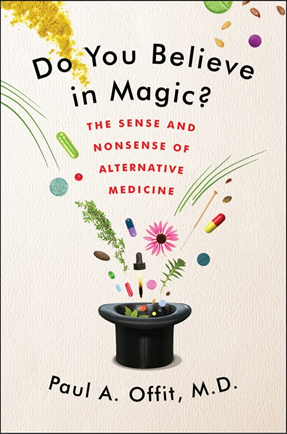
The name Paul Offit is fairly well known in the autism communities. He has spent considerable time countering the false idea that the rise in autism diagnoses seen in the past is due to an epidemic of vaccine injury. He spends most of his time as Chief of Infectious Diseases at the Children’s Hospital of Philadelphia. He is co-inventor of a vaccine which protects infants against rotavirus. Dr. Offit has written a number of books including one on autism: Autism’s False Prophets and one on the anti vaccine movements, which includes large sections on autism: Deadly Choices, How the Anti-Vaccine Movement Threatens Us All. And now he has a new book on alternative medicine: Do You Believe in Magic? The Sense and Nonsense of Alternative Medicine.

bookimg1big

There are two phrases which come to my mind when I hear about alternative medicine. First is a question: what do you call alternative medicine that works? Answer: medicine. The second phrase is more dark: medical fraud is a multi billion dollar business, and the bad guys know about autism.

Alternative medicine is big. Big as in a large fraction of the populations partakes in alt med in one form or another. Big as in it is big business. And, in terms of the subject of this site, big as in alt med is strongly promoted to and popular with the autism communities. Particularly the autism parent community.

As with other books by Dr. Offit, Do You Believe in Magic gives both sides of the various stories presented. He usually starts by giving the pro side, in this case the pro side of alternative medicine. For example, he presents the success stories of various alt-med practioners like chelationist Rashid Buttar and faux cancer therapist Stanislaw Burzynski. If you know the background behind a given story (say, Buttar) it can be quite jarring. You know that the claims aren’t true but you read Dr. Offit presenting them like they are. But when you get to the rebuttal it makes it very powerful.

The media has focused largely on the topic of vitamins–which does get a lot of play in the book. Dr. Offit points out how they supplement industry got a major boost from legislation which removed oversight on the industry. He also points out examples of how the claims for many supplements are either false (they don’t work) or worse (people on supplements live shorter lives than those with the same conditions who do not take supplements). As this is an autism focused site, I’ll point out the two chapters which focus on autism. The chapters largely center around various personalities and for autism the chapter focuses on Jenny McCarthy–the “pied piper of autism”. The chapter goes into detail–as in three page–listing the various theories of what causes autism (heavy metals, vaccines, misaligned spines, etc.) and the various therapies which are purported cures. Three pages. It’s amazing to see it laid out like that–showing that the alt-med community doesn’t have a real idea of what causes autism. Instead, they have dozens of ideas, sometimes contradictory, sometimes disproved, sometimes just without scientific merit. The second chapter with an autism focus is that on Rashid Buttar. He is a chelationist who includes autism as one of the many conditions he “treats”. He also came to fame recently as the doctor (recommended by Jenny McCarthy) chosen to treat Desiree Jennings, whose story of faux vaccine injury became a YouTube phenomenon.

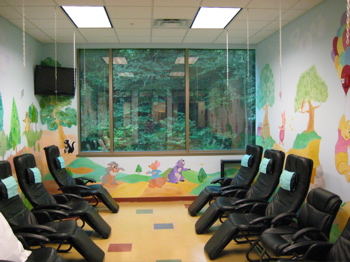
In case you don’t recall him, here is Rashid Buttar’s IV chelation suite for children, complete with Disney characters painted on the walls.

ChildrensIVSuite

Yes, there is room for 10 kids to receive IV chelation at the same time. Which is a small example of how this is big business. Dr. Offit makes the point even more clearly, with Dr. Buttar as one example. Many millions of dollars have been spent by patients on Dr. Buttar’s concoctions–some of which have been clearly shown to do nothing. Some people are getting very rich in the alt-med business. Very rich. Rashid Buttar is one. Stanislaw Burzynski is another. His cancer therapies are amazingly expensive, make no sense and are a grand example of selling false hope.

Bookstores are filled with books on alternative medicine. There are very few books which take a critical look at this industry. Do You Believe in Magic is a welcome addition. Unfortunately, it will likely never sell as well as false hope.

I recently had the opportunity to meet Dr. Offit. One question I posed to him was simply, why does he stay at a teaching hospital? Given his successes, he could do pretty much anything he wants. His answer boiled down to simply–he is doing what he wants. He has the freedom to say what he wants. On more than one occasion this has led to frivolous lawsuits, and even those haven’t shut him up. In his latest book he takes on faux medicine, practitioners who are making huge profits from it and the leglistors who facilitated the industry. One could ponder who will sue him first except that facts are laid out so clearly as to make it difficult for anyone to do so.


By Matt Carey

Currently, there is insufficient evidence to support instituting a gluten-free diet as a treatment for autism.

24 May

Perhaps the most commonly cited alternative therapy approach for autism is the gluten free/casein free diet. The idea was promoted largely based on the “leaky gut” and “opiod excess” idea of autism. The basic idea was that the intestines of autistics are for some reason “leaky” and incompletely digested proteins from gluten (grains) and casein (milk) enter the bloodstream and act much like an opiod (drug) causing (somehow) autism. Multiple research teams have looked for evidence of these “opiods” without success. But the idea that eliminating gluten and/or casein as an autism treatment.

Timothy Buie is perhaps one of the most respected gastroenterologists in the autism communities. He has recently written a literature review on the topic: The relationship of autism and gluten.

Here is the abstract:

BACKGROUND:

Autism is now a common condition with a prevalence of 1 in 88 children. There is no known etiology. Speculation about possible treatments for autism or autism spectrum disorders (ASD) has included the use of various dietary interventions, including a gluten-free diet.

OBJECTIVE:

The goal of this article was to review the literature available evaluating the use of gluten-free diets in patients with autism to determine if diet should be instituted as a treatment.

METHODS:

A literature review was performed, identifying previously published studies in which a gluten-free diet was instituted as an autism treatment. These studies were not limited to randomized controlled trials because only 1 article was available that used a double-blind crossover design. Most publish reports were unblinded, observational studies.

RESULTS:

In the only double-blind, crossover study, no benefit of a gluten-free diet was identified. Several other studies did report benefit from gluten-free diet. Controlling for observer bias and what may have represented unrelated progress over time in these studies is not possible. There are many barriers to evaluating treatment benefits for patients with autism. Gluten sensitivity may present in a variety of ways, including gastrointestinal and neurologic symptoms. Although making a diagnosis of celiac disease is easier with new serology and genetic testing, a large number of gluten-sensitive patients do not have celiac disease. Testing to confirm non-celiac gluten sensitivity is not available.

CONCLUSIONS:

A variety of symptoms may be present with gluten sensitivity. Currently, there is insufficient evidence to support instituting a gluten-free diet as a treatment for autism. There may be a subgroup of patients who might benefit from a gluten-free diet, but the symptom or testing profile of these candidates remains unclear.

To paraphrase the conclusions: The evidence is not there for eliminating gluten from the diets of autistics. Perhaps some minority has a gluten sensitivity but so far there is no good test for this possible subgroup.


By Matt Carey

Mark Geier loses his last medical license

23 May

At one time, Mark Geier held licenses in 12 different states. Not any more. Until recently he had a license in Hawaii, but no longer. Per Todd W at Harpocrates Speaks: Mark Geier: Not a Leg to Stand On. Mark Geier, who promoted the idea that shutting down sex-hormone production in autistic children, adolescents and young adults was an autism cure, is no longer licensed to practice medicine in the U.S..

More thorough discussion at Mark Geier: Not a Leg to Stand On.


By Matt Carey

Autism not linked to Lyme disease

22 May

There are many hypotheses of what causes autism.  Many.  Among those is that autism is caused by Lyme disease. Lyme disease is caused by infections of bacteria spread by ticks. A quick internet search brings up numerous sites discussing a supposed link between autism and lyme disease, with organizations, conventions and books devoted to the idea. For example, one book is titled The Lyme-Autism Connection: Unveiling the Shocking Link Between Lyme Disease and Childhood Developmental Disorders. Nine studies in pubmed come up on a search with terms autism and lyme.

A group calling itself “Lyme Induced Autism” claims that a large fraction of autistic children have active Lyme infection:

A subset a children on the autism spectrum also have active Borreliosis, we don’t know how large of a subset this is, we do know from informal studies that it is AT LEAST 20-30% which would be over 200,000 children in the United States alone.

Emphasis in the original.

So, one would expect that testing a large number of autistic children for antibodies against the bacteria would bring up AT LEAST 20-30% postives. But that isn’t the case. A recent study from the U.S. National Institutes of Health found that in a sample of 104 autistic children, none of them had antibodies. None. Not 20%. Not 2%. None.

Lack of serum antibodies against Borrelia burgdorferi in children with autism.

The abstract is brief and to the point:

It has been proposed that Borrelia burgdorferi infection is associated with ∼25% of children with autism spectrum disorders. Here antibodies against Borrelia burgdorferi were assessed in autistic (n=104), developmentally delayed (n=24) and healthy control (n=55) children. No seropositivity against Borrelia burgdorferi was detected in the children with and without autism. There was no evidence of an association between Lyme disease and autism.

Repeat for emphasis: There was no evidence of an association between Lyme disease and autism

Lyme disease is usually treated with antibiotics. Some groups have taken to long-term antibiotic use to treat autism (just as other groups have taken to long-term antiviral use or long-term chelation to treat other purported causes of autism). The long-term antibiotic movement got support a few years ago when Nobel Prize winner Luc Montagnier claimed that autism is caused by bacterial infections. His methods and conclusions were far from the quality one would expect from a standard researcher, much less a Nobel Laureate.

Not everyone promotes long term antibiotics, though. The “Lyme Induced Autism” organization does include a page on antibiotics, they promote the following methods of treating autism:

– Antimicrobials – either herbal, homeopathic, energetic or as a last resort pharmaceuticals

– Nutrition – A diet free of genetically modified organisms, organic whole fruits, vegetables, gluten free grains, organic grass fed beef, organic hormone free – free range chicken, organic juicing, etc. Building a good healthy diet as a base to strengthen the body and gastrointestinal system feeding the body to strengthen the cells.

– Gentle chelation when appropriate and with adequate binders available to assist in detoxification.

– Opening of detoxification pathways to assist with moving dead microbes and metals out of the body, preventing reabsorption and heavy detox symptoms. This can be done with herbs, energetic medicine, laser, homeopathy and/or homotoxicology.

– Regenerating the brain by using neurofeedback, biofeedback, herbs, energy medicine, light and sound devices, sensory input, etc.

– Emotional healing using recall healing, cognitive therapy, addressing family issues and emotional blockages preventing true healing the family.

-Customizing treatments by utilizing individual testing with lab work, energetic testing, ART testing, etc.

-Avoidance of chemicals, pesticides, EMF/EMR, GMO’s, preservatives, food colorings, synthetic supplements.

Why chelation (or pretty much any of the above)? Seriously, why chelation to treat a persistent bacterial infection while avoiding “pharmaceuticals” (i.e. antibiotics)?

The evidence for Lyme disease as the cause of autism for a large fraction of the population has always been shaky. Given that, I doubt this evidence will stop the groups who promote the idea.


By Matt Carey

Two steps forward, one step back

21 May

Good News: British groups supporting unorthodox biomedical approaches to autism are distancing themselves from theories attributing autism to vaccines.

Bad News: These groups are still promoting treatments – such as stem cell therapies – for which there is no coherent scientific rationale and no good evidence of efficacy or safety.

Treating Autism, with an address in Bow, East London, and the Autism Treatment Trust, based in Edinburgh, have circulated ‘advocates and organisations involved in the care of patients with Autism Spectrum Disorder’ with a package including a (curiously anonymous) ‘scientific review’ entitled Medical Comorbidities in Autism Spectrum Disorder, a flyer for a conference in Edinburgh in June entitled Changing the Course of Autism: The Science and Intervention, and a complimentary copy of The Autism Revolution: Whole Body Strategies for Making Life All It Can Be, by the American paediatric neurologist Martha Herbert.

The most striking – and most welcome – feature of this package is that it contains no mention of the cause with which both these groups have been most closely associated over the past decade – the campaign claiming a link between childhood immunisations, particularly MMR, and autism. Bill Welsh, former property developer and president of the ATT and of its predecessor Action Against Autism, has been a leading figure in the anti-vaccine campaign in Scotland since 1998. Wakefield himself was a platform speaker at Treating Autism’s first two conferences, in 2007 and 2009, and TA members were prominent in the protests in support of Wakefield outside the GMC when he was struck off the medical register in 2010.

In relation to the current TA/ATT package, MMR is, like the dog that did not bark in the night, significant in its absence.It might be too much to expect that these groups would acknowledge the harm that the anti-MMR campaign has caused to families affected by autism (particularly in encouraging so many into the futile and demoralising litigation) and to child health more widely (confirmed by the recent measles outbreaks).Yet, on a more positive note, Martha Herbert, the keynote speaker at the forthcoming Edinburgh conference, makes the forthright declaration – ‘I strongly encourage vaccination’- in her book (The Autism Revolution, p103). This is progress indeed.

The TA/ATT focus on ‘medical co-morbidities’ – conditions, such as sleep disorders, gastro-intestinal disturbances and epilepsy, that may co-exist with autism – is also a welcome and timely initiative. The ‘scientific review’ draws attention to a number of recent studies that reveal the unsatisfactory standards of medical care experienced by people on the autistic spectrum, highlighting inadequacies in relation to examination, investigation and treatment. It is unfortunate that this review appears to rely largely on North American, Australian or even Middle Eastern sources, and appears to be unaware of the extensive work – both in terms of research and advocacy – carried out by Mencap and others in the UK, in relation to the wider population of people with learning disabilities. This work has been summarised in the Confidential Inquiry into Premature Deaths of People with Learning Disabilities, http://www.bris.ac.uk/cipold/fullfinalreport.pdf.

It is also unfortunate that the discussion of co-morbidities has a perfunctory character in the TA/ATT review, being largely confined to a brief introduction. The question of medical co-morbidities is subsequently conflated with a quite distinct issue – the author’s claim that recent studies confirm a ‘paradigm shift in our understanding of ASD’. From this perspective autism is ‘now increasingly recognised as a whole body disorder, with the core deficits in communication, social interaction, restrictive/stereotypic behaviours that have been attributed to ASD, being surface manifestations of a systemic and complex disease process’. In fact, this is not a new ‘paradigm’, and nor is it ‘increasingly recognised’. It is the familiar dogma promoted by the ‘unorthodox biomedical’ fringe associated since the early 1990s with the (now defunct) Defeat Autism Now! group in the USA. (For an account of the emergence of this movement from the ‘metabolic psychiatry’ of the 1960s, and its incorporation of biochemical and immunological theories in the 1970s and 1980s, see my books, MMR and Autism: What Parents Need To Knowand Defeating Autism: A Damaging Delusion.) The TA/ATT review includes a plethora of references to recent studies claiming to confirm ‘earlier findings of widespread biomedical abnormalities in autism’. On past experience, these claims, based on preliminary laboratory studies or small scale – and often poorly constructed – clinical trials, will turn out to be of dubious significance.

Though the TA/ATT review includes little commentary on interventions, it resorts to selective quotation of mainstream academic sources to provide legitimacy for interventions favoured by unorthodox biomedical practitioners, notably exclusion diets. For example, in relation to the gluten-free, casein-free diet the author cites a recent authoritative Cochrane systematic review in the following terms: ‘from the existing trial evidence it concluded that “the diet poses no disbenefit or harm” [emphasis in original], and it identified positive effects of this diet relating to improvement in overall autistic traits, social isolation, and overall ability to communicate and interact (Millward et al., 2008)’. This is a significant distortion and misrepresentation of the Cochrane review (http://www.ncbi.nlm.nih.gov/pubmed/18425890).This review does not contain the sentence quoted, but in the discussion section it comments, in relation to two major studies of the GFCF diet (Knivsberg, 2003, Elder et al,2006), that ‘neither study reported disbenefits including harms and costs of these diets’. The statement presented by the TA/ATT review as the judgement of the Cochrane authors is in fact their (critical) description of the Knivsberg and Elder papers. The Cochrane authors’ categorical conclusion is that ‘we cannot recommend these diets as standard treatments’. Not only is this ignored by the TA/ATT review, it is immediately contradicted by an endorsement of the GFCF diet by Paul Whiteley and Paul Shattock, Britain’s leading advocates of this diet (and of the wider unorthodox biomedical campaign) over the past 20 years.

The TA/ATT offers several highlighted quotations from the recent ‘consensus report on the evaluation, diagnosis and treatment of gastro-intestinal disorders in individuals with ASD’, produced by of the American Academy of Paediatrics. (See: http://www.ncbi.nlm.nih.gov/pubmed/20048083) Yet it neglects prominent statements from this report which contradict the approach recommended by the TA/ATT review. For example, echoing the Cochrane review, the AAP concludes that ‘available research data do not support the use of a casein-free diet, a gluten-free diet, or combined gluten-free, casein-free diet as a primary treatment for individuals with ASDs.’ Furthermore, it dismisses the sorts of claim made by the TA/ATT review for the significance of various immunological and microbiological factors in relation to autism:

‘A direct cause-and-effect relationship between immune dysfunction and autism has yet to be proven.’

‘The role of gut flora in the pathogenesis of gastro-intestinal disorders in individuals with autism is not well understood.’

The TA/ATT review presents a dozen brief case histories to illustrate its claims – and to demonstrate a 100% success rate from the interventions it recommends. Given the lack of clinical detail – or any information about how these cases were selected – it is impossible to offer any evaluation. However, it is worth noting that in eight of the 12 cases, improvement appeared to follow treatment with antibiotics. The AAP consensus statement observes that ‘it should be noted that empirical antibiotic and antifungal therapy in patients with ASD is not recommended.’

The programme for the Edinburgh conference includes only one speaker on the question of co-morbidities – Dr Daniel Goyal. He is also scheduled to advise attenders on ‘How to Approach Your GP and Paediatrician’. This seems a bold enterprise for a doctor who is qualified as neither a GP nor a paediatrician and whose main experience is in occupational health. His experience in relation to autism appears to have been acquired entirely in private practice, at the Breakspear Clinic in Hertfordshire (recently sanctioned by the GMC over chelation treatment) and at his own Sincere Health ‘nutritional and environmental medicine’ clinic in Harley Street. It is striking that the TA/ATT approach cannot attract the support of a single paediatrician, paediatric gastroenterologist, child psychiatrist or autism specialist working in the National Health Service in the UK.

The most worrying feature of the Edinburgh conference is the prominent place on the platform allotted to Drs Nicola Antonucci and Dario Siniscalco (who are scheduled to give three talks in the course of the weekend). Antonucci, a psychiatrist who acquired training in DAN! therapies in the USA, has teamed up with Siniscalco, formerly a pain researcher with a background in chemistry and pharmacology, to provide stem cell therapy for children with autism at a clinic in Bari in southern Italy. The pseudoscience behind this treatment, now available in the Ukraine, Costa Rica, Mexico, Panama and China as well as Italy (but illegal in the USA and the UK) is discussed in Defeating Autism (pp 114-115). At last year’s Treating Autism conference in London, stem cell therapy was promoted by Dr Jeffrey Bradstreet, a Florida preacher and vitamin salesman and former colleague of Andrew Wakefield, who was severely chastised for his role as both expert witness and treating physician in the ‘omnibus autism proceedings’ in the USA in 2009. (See:http://www.spiked-online.com/site/article/6283/) It is alarming to discover that Antonucci and Siniscalco have collaborated with Bradstreet in various publications.

Whatever my reservations about Martha Herbert’s misanthropic evangelical environmentalism (see Defeating Autism, pp19-22), she offers sound counsel against the use of some of the more dangerous therapies currently popular in the unorthodox biomedical world, notably hyperbaric oxygen and heavy metal chelation. I hope that she will take advantage of her place on the Edinburgh platform to remind attendees (and fellow speakers) of this judgement from her book:

‘Stem cell therapy is an example of a treatment that does not make biological sense to me for autism, is wildly expensive (in part because it’s not legal in the United States), has made some kids whom I know worse, and carries a high risk of danger. I would avoid it.’ (The Autism Revolution, p65)

Michael Fitzpatrick 21 May 2013

It’s DSM 5 day

18 May

Yes, the day has arrived that the DSM 5 (the Diagnostic and Statistical manual) is released by the American Psychiatric Association. The DSM codifies the traits which make up, among many other things, an autism diagnosis. There was a great deal of controversy of the past few years about the way the DSM would handle autism. A major change was to move away from the “spectrum” of autism disorders (ASD) to a single autism diagnosis with a severity scale. Since eligibility for services is often tied to an autism diagnosis–such as insurance, special education and state disability services–many groups were concerned that the new DSM would leave specific groups out. One can find discussions of how those with Asperger syndrome will not be included in the new autism, how those with intellectual disability will not be included and how those with PDD-NOS will not be included.

Yesterday, Molecular Autism included three papers on the DSM 5.

The first introduces the other two: DSM-5: the debate continues by Fred R Volkmar and Brian Reichow.

Here is the abstract (full text free online):

We are fortunate to have invited commentaries from the laboratories of Dr Cathy Lord and Dr Fred Volkmar offering their perspectives on the new Diagnostic and Statistical Manual of Mental Disorders (DSM)-5 criteria for the autism spectrum. Both Lord and Volkmar are world-leaders in autism and in the autism phenotype and both have been very involved in the DSM: Volkmar was the primary author of the DSM-IV Autism and Pervasive Developmental Disorders section, and Lord has been equally active in the Neurodevelopmental Disorders Workgroup of DSM-5. As such, there are none more qualified to comment on what has been potentially gained or lost in the transition from the fourth edition to the fifth edition of this bible of psychiatric classification and diagnosis.

The first contributed paper is Autism in DSM-5: progress and challenges

Here is the abstract (and full text is available free online):

BACKGROUND:
Since Kanner’s first description of autism there have been a number of changes in approaches to diagnosis with certain key continuities . Since the Fourth edition of the Diagnostic and Statistical Manual (DSM-IV) appeared in 1994 there has been an explosion in research publications. The advent of changes in DSM-5 presents some important moves forward as well as some potential challenges.

METHODS:
The various relevant studies are summarized.

RESULTS:
If research diagnostic instruments are available, many (but not all) cases with a DSM-IV diagnosis of autism continue to have this diagnosis. The overall efficiency of this system falls if only one source of information is available and, particularly, if the criteria are used outside the research context. The impact is probably greatest among the most cognitively able cases and those with less classic autism presentations.

CONCLUSIONS:
Significant discontinuities in diagnostic practice raise significant problems for both research and clinical services. For DSM-5, the impact of these changes remains unclear.

The second contributed paper is DSM-5 and autism spectrum disorders (ASDs): an opportunity for identifying ASD subtypes by Rebecca Grzadzinski, Marisela Huerta and Catherine Lord.

The abstract is below and the full text is online.

The heterogeneity in the clinical presentations of individuals with autism spectrum disorders (ASDs) poses a significant challenge for sample characterization and limits the interpretability and replicability of research studies. The Diagnostic and Statistical Manual of Mental Disorders, 5th edition (DSM-5) diagnostic criteria for ASD, with its dimensional approach, may be a useful framework to increase the homogeneity of research samples. In this review, we summarize the revisions to the diagnostic criteria for ASD, briefly highlight the literature supporting these changes, and illustrate how DSM-5 can improve sample characterization and provide opportunities for researchers to identify possible subtypes within ASD.

The DSM 5 is big news, and relatively big business. As discussed on the American Public Media program Marketplace, the DSM has a major effect on how insurance companies reimburse for various treatments–if you don’t have the diagnosis, you may not get reimbursed for the treatment. Also, the DSM 5 itself makes the APA a significant amount of money, raising questions about whether the DSM was pushed forward too soon (hence the title of the Marketplace spot: How much is the DSM-5 worth?)


By Matt Carey

Why does Jenny McCarthy need Miss Montana?

16 May

From the bottom of the ocean
To the mountains on the moon
Won’t you please come to Chicago
No one else can take your place

-Graham Nash, “Chicago”

* * *

The first autistic Miss America contestant is a cheerful 19-year-old with heart-breaking beauty and a refreshing message. She celebrates her autism, telling reporters and talk show hosts that “Being on the spectrum is not a death sentence, but a life adventure, and one that I realize has been given to me for a reason,” and “It’s amazing how people don’t accept other people just because they’re different. Being different is not something to look down on, but to be embraced. People need to understand.”

She once told Jeff Probst “There is nothing wrong with being autistic,” and “My autism doesn’t define who I am, I define my autism.”

So why has Alexis Wineman accepted Jenny McCarthy’s invitation to join a “celebrity panel” at a notorious anti-vaccine conference, breaking gluten-free bread with people who compare autism to a death sentence, and something to be despised? One possible answer can be found in her interview published on Disability Scoop last October:

‘Socializing with my classmates, even when I wanted to, was awkward to say the least. I wouldn’t get their jokes half the time. I took everything so literally,’ she told the site.

Here’s what Alexis posted on her Facebook page in January, after receiving a phone call from McCarthy:

Could it be that Alexis is following mean girl McCarthy into the lavatory for a humiliating makeover? Does she literally believe that autistic children can be “rescued” with bleach enemas, chelation, and chemical castration, all of which are “treatments” promoted by other invited speakers the AutismOne conference?

Wineman grew up in Cut Bank, Montana, one square mile of treeless plain and 2,800 hopeful souls. After second grade, Alexis’s twin sister, Amanda skipped ahead into fourth, but not Alexis. “That’s enough to make anyone feel dumb. But I got called “retarded” a lot. I really hate that word,” Alexis told Glamour Magazine. Her behavior deteriorated.

“The meltdowns lasted hours and became more frequent,” says her mother, Kim Butterworth. “We’d have to grab and hold her; she’d be as stiff as a board. It was scary. And she started melting down at school. I’d get the call: ‘We’re having a problem.'”

At age 11 she was diagnosed with PDD-NOS, after the family consulted their pastor and a therapist. “I felt so alone growing up, and I still do at times,” she told a conference on autism at the Montana State University Billings last fall. “Nobody understood what I was going through. I separated myself from my classmates and spent most of my time alone. I stayed quiet to hide my speech problems. Due to these overwhelming and daily struggles, I looked at myself as a punching bag for others, and a burden to my family.”

Her turnaround came in high school, where Alexis ran cross country, joined the drama club, and became a cheerleader. At 18, she entered the Miss Montana contest and won.

Alexis Wineman

Alexis wears her celebrity well. “We cannot cure what is not a sickness,” Miss Montana said in the video shown at the pageant. “But we can begin to understand autism, and help those with the condition to unlock the potential that lies within all of us.”

McCarthy and her business partners disagree. The AutismOne conference is a veritable trade show of unproven and questionable autism “cures”, where the hiss of hyperbaric oxygen chambers lures the credulous, and Mr. Andrew Wakefield tells starry-eyed mothers that “recovery is possible.”

So why did McCarthy reach out to Alexis? Could the invitation be part of McCarthy’s 12-step anger recovery program? The nursing school drop out and ex-MTV host is desperate to shed her anti-vaccine past, which means dissing the “angry mob” she once bragged about. She told the AP in January that she hasn’t publicly commented on vaccines in four years (it was more like two years, but oh well). Her 2011 AutismOne keynote address barely mentioned vaccines. In her 2012 speech, she was introduced by a plaintiff’s attorney who told parents “the claim that mercury doesn’t cause autism is a lie,” but McCarthy herself stayed away from the V word. Meanwhile, when she speaks of Generation Rescue (“my foundation!”), she stresses assistance to parents.

All of which raises (not begs) a serious question: Is the anti-vaccine movement growing up? Can the acceptance-and-accommodation virus find willing hosts in McCarthy’s mob? Can Alexis Wineman from Cut Bank, Montana, attract enough autism parents, and generate enough buzz, to turn Generation Rescue into a responsible and respected advocacy group?

Does McCarthy need Miss Montana? Or is the invitation as dishonest and manipulative as it appears?


Cross-posted at AutismNewsBeat.com

Studies ‘supporting’ Andrew Wakefield

7 May

It is 15 years since Andrew Wakefield first hypothesised a link between the MMR vaccine and autism in children, mediated by an inflammatory bowel condition (subsequently labelled ‘autistic entercolitis’). Over this period Dr Wakefield and his supporters have cited a range of studies which are claimed to ‘verify’, ‘replicate’ or ‘support’ his MMR-autism theory. Here is the most recent list:

‘Here is a list of 28 studies from around the world that support Dr. Wakefield’s research:
1.The Journal of Pediatrics November 1999; 135(5):559-63
2.The Journal of Pediatrics 2000; 138(3): 366-372
3.Journal of Clinical Immunology November 2003; 23(6): 504-517
4.Journal of Neuroimmunology 2005
5.Brain, Behavior and Immunity 1993; 7: 97-103
6.Pediatric Neurology 2003; 28(4): 1-3
7.Neuropsychobiology 2005; 51:77-85
8.The Journal of Pediatrics May 2005;146(5):605-10
9.Autism Insights 2009; 1: 1-11
10.Canadian Journal of Gastroenterology February 2009; 23(2): 95-98
11.Annals of Clinical Psychiatry 2009:21(3): 148-161
12.Journal of Child Neurology June 29, 2009; 000:1-6
13.Journal of Autism and Developmental Disorders March 2009;39(3):405-13
14.Medical Hypotheses August 1998;51:133-144.
15.Journal of Child Neurology July 2000; ;15(7):429-35
16.Lancet. 1972;2:883–884.
17.Journal of Autism and Childhood Schizophrenia January-March 1971;1:48-62
18.Journal of Pediatrics March 2001;138:366-372.
19.Molecular Psychiatry 2002;7:375-382.
20.American Journal of Gastroenterolgy April 2004;598-605.
21.Journal of Clinical Immunology November 2003;23:504-517.
22.Neuroimmunology April 2006;173(1-2):126-34.
23.Prog. Neuropsychopharmacol Biol. Psychiatry December 30 2006;30:1472-1477.
24.Clinical Infectious Diseases September 1 2002;35(Suppl 1):S6-S16
25.Applied and Environmental Microbiology, 2004;70(11):6459-6465
26.Journal of Medical Microbiology October 2005;54:987-991
27.Archivosvenezolanos de puericultura y pediatría 2006; Vol 69 (1): 19-25.
28.Gastroenterology. 2005:128 (Suppl 2);Abstract-303

http://healthimpactnews.com/2013/new-published-study-verifies-andrew-wakefields-research-on-autism-again/

Which of these studies supports a link between MMR and autism? None of them. Which studies support a link between MMR and inflammatory bowel disease? None. In fact, none of these studies focuses on MMR: the term ‘MMR’ is not included in any of the titles.

One study (no 6) by Vijendra Singh, published in 2003, claims a link between measles virus and autism. According to virologists in London, Singh’s methodology was suspect and the evidence for the specific ‘anti-MMR’ antibody he identified was ‘not credible’(see Michael Fitzpatrick, MMR and Autism: What Parents Need To Know, p90).

Several studies claim to show an association between ‘autistic enterocolitis’ and autism. Of these (nos2, 3, 4, 9, 18, 19, 28) all but two feature Dr Wakefield as a co-author. Study no 9 is the work of Wakefield collaborators Arthur Krigsman and Carol Stott, published in a journal whose editors include Wakefield and Stott. Study no 28 is the work of Wakefield’s former Royal Free colleague Federico Balzola. The study by Dr Lenny Gonzalez, (no 27) a former collaborator with Wakefield at his Thoughtful House clinic in Texas, published in Venezuela, reports the extraordinary findings of autistic enterocolitis in 100% of 45 children with autism, and in 66.66% of 57 ‘developmentally normal’ controls. Apart from Wakefield and his former or current colleagues, no other researchers in the world have confirmed the existence of ‘autistic enterocolitis’ in children with autism.

Some studies suggest the presence of gastrointestinal disorders other than ‘enterocolitis’ in association with autism. These include upper gastrointestinal conditions, such as gastritis and oesophagitis (no 1, Horvath;no 10, Galiatsatos; no 20, Torrente); coeliac disease or malabsorption (no 12, Genuis;no 16, Walker-Smith;no 17, Goodwin); microbial factors other than measles (nos14, 15, 24, 25 – the Finegold, Bolte, Sandler team; and no 26 –Parracho and colleagues at Reading). Most of these studies feature small numbers of cases and two (nos 16,17) were published more than 40 years ago.In study no 10, Polymnia Galiatsatos and colleagues in Montreal, Canada report the cases of two young adults, one with colonic inflammation, the other with gastritis. Nikolov and colleagues at Yale(no 13) simply report on ‘gastrointestinal symptoms’ in association with autism.

Other studies suggest immune or autoimmune dysfunction in association with autism: Jyonuchi (nos7,8) and Singh (nos5,11). One study (no 23, Shinohe) focuses on abnormal glutamate metabolism in adults with autistic spectrum disorders. These studies do nothing to advance the vaccine-autism hypothesis.

Given that supporters of Dr Wakefield often claim that his work has been ‘independently’ replicated, it is worth pointing out that Wakefield himself is a co-author on a quarter of the studies listed here (2,3,4, 18,19, 21,22). Others (9, 20, 27,28) feature former Royal Free team members(Ashwood, Torrente, Furlano, Balzola), or subsequent collaborators (Krigsman, Stott, Gonzalez).
Those who, like me, have been following this sad story over the past 15 years, will have noticed that several authorities formerly cited in support of Wakefield’s theory seem to have fallen by the wayside.

In the early days of the MMR controversy, Wakefield often cited the studies of Rosemary Waring and Patricia D’Eufemia in support of his notion of a ‘leaky bowel’. His colleague John Walker-Smith claimed that a letter from Aderbal Sabra published in the Lancet in 1998 (about children with food allergies and ADHD) provided a ‘great public vindication’ of the work of the Royal Free team (see MMR and Autism, p143-4). Tokyo physician Hishashi Kawashima’s claims to have identified measles virus in children with autism were widely promoted – but soon discredited. In Sunderland, retired pharmacy lecturer Paul Shattock, an ardent Wakefield supporter, attracted widespread publicity for his claims to have identified distinctive urinary peptides linking MMR and autism, but his research was never published.

The most widely cited research supposedly supporting Wakefield came from his Dublin collaborator John O’Leary (published in 2002 in separate papers with Uhlmann and Shiels). This was discredited by the evidence of Stephen Bustin in the Omnibus Autism Proceedings in the USA in 2009 (see Stephen A Bustin, Why There Is no Link Between Measles Virus and Autism, DOI: 10.5772/52844).
Another study by Balzola, based on the use of the technique of ‘capsule endoscopy’ in a single (adult) case has also been dropped. It was rapidly followed by a report from another member of his team of ‘acute small bowel perforation secondary to capsule endoscopy’.

Other forgotten Wakefield supporters are the South Carolina immunologist Hugh Fudenberg, and the Florida preacher and vitamin salesman Jeffrey Bradstreet, whose dubious practices were exposed in Brian Deer’s Channel Four documentary in 2004. The father and son team of Mark and David Geier, notorious for their promotion of the ‘Lupron protocol’ of chemical castration and heavy metal chelation as a treatment for autism as well as for their shoddy researches, have also been dropped from the list of supportive researchers.

Another widely quoted ‘study’ supposedly supporting Wakefield was a poster presentation by Stephen Walker (working in collaboration with long-standing Wakefield ally Arthur Krigsman) at the IMFAR meeting in Montreal in 2006.These preliminary, provisional, unconfirmed, non-peer-reviewed findings – of measles virus in bowel biopsy specimens – in an uncontrolled study (which does not mention MMR) were widely reported – and enthusiastically acclaimed by Dr Wakefield. Walker himself disclaimed the interpretation that his work supported any link between measles and autism. This study has never been published.

In conclusion, after 15 years, we are offered 28 studies, none of which supports the MMR-enterocolitis-autism hypothesis. It is not surprising that over this period Wakefield has failed to win the support of a single paediatrician, paediatric gastroenterologist, child psychiatrist or autism specialist in England. Surely it is time to call a halt?


By Michael Fitzpatrick

IMFAR study: No Differences in Early Immunization Rates Among Children with Typical Development and Autism Spectrum Disorders

3 May

IMFAR, the International Meeting For Autism Research, is going on this week.  In preparation for the meeting, I posted the titles of a number of studies being presented.  The full abstracts are now available.  One might venture to guess that for a segment of the online parent community, this study (sadly) may get the most attention: No Differences in Early Immunization Rates Among Children with Typical Development and Autism Spectrum Disorders

It is not one of the very large population based epidemiological studies which have many thousands of participants.  But it is a good sized study with confirmed diagnoses.

As the abstract states, the difference immunization rates is not significant, with the autistic kids rate reported as slightly lower. One child was unimmunized, and that child is autistic.

One vaccine with significantly different uptake rates is the Hepatitis B vaccine, with autistic kids receiving this at a lower rate than the typically developing kids.  The HepB vaccine is one that gets a great deal of focus by those claiming vaccines causes an autism epidemic, with claims of much higher autism risk among those vaccinated with HepB. If this were true, one would expect the autistic group to show a higher uptake of this vaccine.

All in all, as the authors note, this is not a study about causation but the results do not lend support to the idea that vaccines are associated with higher autism risk. The study was undertaken by the MIND Institute, which is generally respected by the groups who promote the idea that vaccines are associated with autism.

K. Angkustsiri1,2, D. D. Li3 and R. Hansen2,4, (1)UC Davis MIND Institute, Sacramento, CA, (2)UC Davis Medical Center, Sacramento, CA, (3)M.I.N.D. Institute and Department of Psychiatry and Behavioral Sciences, University of California Davis Medical Center, Sacramento, CA, (4)The M.I.N.D. Institute, University of California, Davis, Sacramento, CA

Background: The relationship between vaccines and autism spectrum disorders (ASD) has been of great interest to families and health providers.

Objectives: This study compares the immunization practices of preschoolers with ASD and typical development (TD).

Methods: Immunization records were abstracted from 240 (161 ASD, 79 TD) children between the ages of 24.1-54.4 months participating in the Autism Phenome Project from April 2006 to August 2011. Seventy-eight percent were male. We compared immunization rates for the vaccines required by the State of California for children ages 18 months to 5 years (3 doses of Hep B, 4 DTAP, 4 Hib, 4 PCV, 3 IPV, and 1 MMR). Of note, there was a national HIB vaccine shortage from 2007-2009. Varicella was not included due to the possibility of naturally acquired immunity. 

Results: Immunization rates in ASD children were slightly lower than in TD (see Table 1), but this difference was not statistically significant, with the exception of Hep B, where 91.3% of children with ASD had received 3 doses compared to 98.7% of TD (p=0.024). These rates were at or above those reported in the 2011 National Immunization Survey (NIS). One (0.6%) ASD child had not received any immunizations. The national rate for children who received no immunizations was 0.8%. 

Conclusions: Despite the lack of evidence supporting any causal relation of vaccines to ASD (IOM, 2011) many parents remain concerned and some choose to delay or avoid vaccines. Immunization rates in preschoolers with ASD in our sample were generally lower than TD, although there were no statistically significant differences except for Hep B.  Our study, although not designed to specifically address a causal relationship, does not support an association between vaccines and ASD. In most cases, these immunization practices represent behavior during the first 18 months of life prior to receiving an ASD diagnosis. Further study looking at differences in vaccine acceptance during the 4-6 year booster period is warranted, as having an ASD diagnosis may affect parents’ attitudes towards future immunization.

ASD (n=161) TD (n=79) p-value 2011 NIS
Hep B 147 (91.3%) 78 (98.7%) 0.024 91.1%
DTAP 150 (93.2%) 78 (98.7%) 0.110 84.6%
Hib 107 (66.5%) 48 (60.8%) 0.386 shortage 2007-09
PCV 134 (83.2%) 66 (83.5%) 0.128 84.4%
IPV 149 (92.5%) 78 (98.7%) 0.066 93.9%
MMR 151 (93.8%) 75 (94.9%) 0.99 91.6%


By Matt Carey

Andrew Wakefield and Vaccine Safety

30 Apr

All about Andy

Even if everything Andrew Wakefield says about the safety of MMR were true it would still not advance the claim that it causes autism.

Having failed, over the past 15 years, to come up with evidence for his theory of a link between the MMR vaccine and autism (or even for his original claim of a link between measles virus and inflammatory bowel disease), Andrew Wakefield has resorted to making wider (and wilder) claims about the safety of MMR. Moving away from his former field of academic gastroenterology, Wakefield has embarked upon studies in paediatrics, vaccinology and public health. These are spheres in which he has neither expertise nor experience – and it shows. He has alleged that surveys associated with the introduction of MMR in Britain 25 years ago were methodologically inadequate, too small in scale, too short in duration or otherwise unsatisfactory. He claims that evidence of adverse reactions was suppressed, conflicts of interests among public health authorities were undisclosed and whistleblowers were silenced. Critics of the programme are alleged to have had their phones tapped, their homes burgled and to have been persecuted by the medical/political/pharmaceutical establishment. Most recently Wakefield has claimed that procedures for dealing with potential anaphylactic reactions within the MMR programme were inadequate.

I do not intend to revisit here the case against Wakefield’s claims about the safety of MMR which is presented in my book MMR and Autism: What Parents Need To Know. (1)On the red-herring of anaphylaxis, including a report of a curiously high incidence in association with separate measles vaccine in a private clinic, see these studies. (2,3,4) Here I would like to pose three questions that arise for anybody who accepts his allegations about the introduction of MMR in Britain after 1988.

1. What about the other countries in which MMR has been introduced?

Surely, if there are significant dangers associated with MMR – which were supposedly ignored in Britain – these would have been noticed in the 60 countries in which the vaccine has been introduced (both before and after 1988)? In fact, the excellent safety record of MMR – 500 million doses and counting – is a major reason for its successful worldwide use. Several countries in Europe and the Americas have been able to declare measles eradicated, apparently without experiencing the sort of adverse effects Wakefield and anti-vaccine campaigners have attributed to MMR in Britain. Indeed, even if public health authorities had succeeded in suppressing reports of adverse reactions to MMR 20 or 25 years ago, these must surely have become apparent by now?

2. Did MMR not dramatically reduce the incidence of mumps meningitis (even if one strain of the vaccine caused a small number of cases)?\

One of the recurring complaints of Wakefield and his supporters is that in the early years of the programme, British vaccine authorities used a brand of MMR including a strain of the mumps virus (Urabe), which was associated with a small number of cases of meningitis, a recognised complication of mumps. In 1992 this was replaced by another strain (Jeryl Lynn) which does not cause this problem. However, if the Jeryl Lynn strain had not been available, it would still have been preferable to carry on with the MMR including Urabe because the benefit of dramatically reducing the incidence of mumps (in the 1980s the commonest cause of viral meningitis) far exceeded the risk of vaccine-related meningitis. A judgement of this sort was made for many years in relation to the use of the oral polio vaccine which caused a handful of cases of polio every year (until it was finally replaced by the currently used injected polio vaccine, which does not carry this risk).

3. Even if MMR is shown to be unsafe in general, how does this support the specific claim that it causes autism?

Wakefield’s strategy appears to be that, if the safety of MMR in general can be put in doubt, the credibility of any particular risk attributed to the vaccine is raised. In reality, this strategy merely draws attention to his failure – over 15 years – to produce any evidence in support of the MMR-autism theory.

Given his failure to substantiate the MMR-autism hypothesis, Wakefield’s persistence in his campaign against MMR has acquired an increasingly irrational character, confirmed by his bizarre video diatribes against leading figures associated with the MMR programme. He is still bitterly aggrieved that British authorities did not accede to his preposterous demand (issued at the notorious 1998 press conference to launch his now retracted Lancet paper) for the replacement of MMR with separate vaccines given 12 months apart. Not a single member of his own team supported this proposal, which was not included in the paper and was in no way supported by it. Such a scheme has never been implemented in any country. Wakefield is further incensed that vaccine authorities insisted on upholding the integrity of the MMR programme in face of his proposal.

If Wakefield had any experience of child health he might have a better understanding of the importance of the organisation of a vaccine programme. Before the introduction of MMR, a measles vaccine had been available in Britain for 20 years, but its administration was unsystematic, uptake remained unsatisfactory and outbreaks continued to occur. In a similar way, rubella vaccine had been given to schoolgirls with considerable success, but occasional cases of congenital rubella were still reported. Mumps vaccine had never been made widely available and cases were seen commonly in surgeries and hospitals. The introduction of the new combined MMR vaccine – within a comprehensive administrative framework, inviting parents into clinics when their children’s jabs were due, properly recording them – brought within a few years a dramatic improvement in children’s health.

If Wakefield had seen, as I have, children suffering from measles, or if he had admitted children to hospital, as I have, with mumps meningitis, or if he had cared for adults with the multiple handicaps of the congenital rubella syndrome, as I have, he might not be so casually disparaging of the MMR programme. But, unfortunately, for Wakefield it is all about Andy and his petty personal grudges against the vaccine authorities who have quite properly put children’s health before his combination of bad science and egotism.

Now, what about that debate?

REFERENCES
1. Michael Fitzpatrick, MMR and Autism: What Parents Need To Know, Routledge 2004; p 128-133.
2. Lakshman R, Finn A (2000). MMR vaccine and allergy, Arch Dis Child 2000;82:93-95 doi:10.1136/adc.82.2.93.
3. Erlewyn-Lajeunesse M, Manek R, Lingam R, Finn A, Emond A (2008). Anaphylaxis following single component measles and rubella immunization, Arch Dis Child 2008; 93:974-975. doi:10.1136/adc.2008.138289;
4. Erlewyn-Lajeunesse M, Hunt LP, Heath PT, FinnA (2011). Anaphylaxis as an adverse event following immunisation in the UK and Ireland, Arch Dis Child 2011; doi:10.1136/archdischild-2011-301163.


By Michael Fitzpatrick