Archive | Science RSS feed for this section

FDA warning: hyperbaric oxygen therapy (HBOT) has not been clinically proven to cure or be effective in the treatment of cancer, autism, or diabetes

24 Aug

The FDA issued a warning yesterday about hyperbaric oxygen treatment (HBOT) that includes autism. HBOT has not been shown to cure or be an effective treatment for autism, among the myriad conditions for which HBOT is touted.

The warning is quoted below.

No, hyperbaric oxygen therapy (HBOT) has not been clinically proven to cure or be effective in the treatment of cancer, autism, or diabetes. But do a quick search on the Internet, and you’ll see all kinds of claims for these and other diseases for which the device has not been cleared or approved by FDA.

HBOT involves breathing oxygen in a pressurized chamber. The Food and Drug Administration (FDA) has cleared hyperbaric chambers for certain medical uses, such as treating decompression sickness suffered by divers.

HBOT has not, however, been proven to be the kind of universal treatment it has been touted to be on some Internet sites. FDA is concerned that some claims made by treatment centers using HBOT may give consumers a wrong impression that could ultimately endanger their health.

“Patients may incorrectly believe that these devices have been proven safe and effective for uses not cleared by FDA, which may cause them to delay or forgo proven medical therapies,” says Nayan Patel, a biomedical engineer in FDA’s Anesthesiology Devices Branch. “In doing so, they may experience a lack of improvement and/or worsening of their existing condition(s).”

Patients may be unaware that the safety and effectiveness of HBOT has not been established for these diseases and conditions, including:

AIDS/HIV
Alzheimer’s Disease
Asthma
Bell’s Palsy
Brain Injury
Cerebral Palsy
Depression
Heart Disease
Hepatitis
Migraine
Multiple Sclerosis
Parkinson’s Disease
Spinal Cord Injury
Sport’s Injury
Stroke
Patel says that FDA has received 27 complaints from consumers and health care professionals over the past three years about treatment centers promoting the hyperbaric chamber for uses not cleared by the agency.

back to top

How HBOT Works
HBOT involves breathing oxygen in a pressurized chamber in which the atmospheric pressure is raised up to three times higher than normal. Under these conditions, your lungs can gather up to three times more oxygen than would be possible breathing oxygen at normal air pressure.

Patel explains that your body’s tissues need an adequate supply of oxygen to function. When tissue is injured, it may require more oxygen to heal. “Hyperbaric oxygen therapy increases the amount of oxygen dissolved in your blood,” says Patel. An increase in blood oxygen may improve oxygen delivery for vital tissue function to help fight infection or minimize injury.

Hyperbaric chambers are medical devices that require FDA clearance. FDA clearance of a device for a specific use means FDA has reviewed valid scientific evidence supporting that use and determined that the device is at least as safe and effective as another legally U.S.-marketed device.

Thirteen uses of a hyperbaric chamber for HBOT have been cleared by FDA. They include treatment of air or gas embolism (dangerous “bubbles” in the bloodstream that obstruct circulation), carbon monoxide poisoning, decompression sickness (often known by divers as “the bends”), and thermal burns (caused by heat or fire).

What are the Risks?
Patients receiving HBOT are at risk of suffering an injury that can be mild (such as sinus pain, ear pressure, painful joints) or serious (such as paralysis, air embolism). Since hyperbaric chambers are oxygen rich environments, there is also a risk of fire.

“If you’re considering using HBOT, it’s essential that you first discuss all possible options with your health care professional,” Patel says. “Whatever treatment you’re getting, you need to understand its benefits and risks. Your health care professional can help you determine which treatment is your best option.”

In addition, any problems experienced with these devices can be reported to MedWatch, the FDA safety information and adverse events reporting program.

This article appears on FDA’s Consumer Updates page, which features the latest on all FDA-regulated products.

August 22, 2013

More discussion at Forbes from Emily Willingham


By Matt Carey

The Amish may not be a great population for a vaccinated/unvaccinated study

10 Aug

The recent attempt to legislate brought back the subject of the Amish, vaccination and autism. It’s an old idea, made popular by a journalist whose work was, shall we say, less than complete.

House Resolution 1757 (still stuck in committee) states:

” Target Populations- The Secretary shall seek to include in the study under this section populations in the United States that have traditionally remained unvaccinated for religious or other reasons, which populations may include Old Order Amish…”

Whenever the Amish are brought forward as a population for vaccinated/unvaccinated studies, people present many reasons why such an idea lacks rigor.

1) The Amish do vaccinate. They have no prohibition against vaccination. (i.e. the statement that “because the Amish have a religious exemption from vaccination” is incorrect).

2) “The” Amish is a bit of a misnomer. Amish is more of a plural, as in a group of basically island populations which have been developing somewhat independently genetically for a few hundred years.

3) Talking about studying the Amish as though one has the right to just force them to submit is very disrespectful. And a bad assumption. One does not tell a community that they have to be study subjects. One asks. The Amish may very well not want the entire population screened for autism.

There are more arguments. Valid arguments. But without some cold, hard, numbers the response that usually comes up is, “Ah, you are afraid of what we will find!”

No, if one is going to do a study, one should be rigorous. One should get as close to the correct answer as possible. Studying the Amish as an “unvaccinated” population with “no” (or little) autistic subpopulation is to start out with little chance for success.

But how about some cold, hard numbers (I mean, beside from the fact that the Amish vaccinate and there are autistic Amish).

Here’s a talk presented this summer by the DDC Clinic in Ohio. This clinic is following the model of the cleverly hidden “Clinic For Special Children” that a certain journalist failed to contact before publishing his conclusions. In the description of the Clinic you will find:

A 501(c) (3) non-profit organization located in
Middlefield of Ohio, Geauga Amish settlement
• Total population ~95,000, Amish ~14,000 (15%)
• 50% of developmental disabilities are from Amish
• One hour (but a world) away from world class healthcare

Yes, they are 15% of the local population but account for about 50% of the developmentally disabled population for their community.

In other words, the prevalence of developmental disability is more than five times that of the general population.

Do you still want to compare this population for long term health outcomes and vaccination status? Do you want to say, “hey, here’s a population that doesn’t vaccinate and they have more developmental disability than the rest of the population?”

That’s what people have been pointing out for years in stating that genetically the Amish are somewhat distinct from the rest of the U.S. population. The proposed study will run into big problems.

Why does the Clinic for Special Children (and similar clinics) exist? They aren’t just there because the Amish are likely to be underserved in general since they lack insurance (which, I’ve been told, is something the Amish avoid). The Clinic’s mission statement is:

The Clinic for Special Children was established in 1989 as a non-profit medical service for Amish and Mennonite children with genetic disorders. The Clinic serves children by translating advances in genetics into timely diagnoses and accessible, comprehensive medical care, and by developing better understanding of heritable diseases.

Again, they are a small, island-like population. Many genetic conditions are more common in their communities. Many are metabolic conditions. (Dr. Morton’s talk at the conference was “Approach to Care for Patients with Metabolic Disorders”). Conditions which put people at greater risk of harm from infections, hence the reason that people have been working to increase vaccine uptake in the Amish over the past 3 decades.

The Clinic for Special Children has been an example of how focusing on genetic conditions can have major impacts on the well being of those with the conditions. Over the past 30 years, the Clinic has pioneered efforts which have resulted in better health and longer lives for their patients. Too often we hear in the autism communities that genetic conditions mean “no hope”.

I’ll leave you with the words of Dr. Holmes Morton of the Clinic for Special Children. Words from the Clinic’s main page:

“Special children are not just interesting medical problems, subjects of grants and research. Nor should they be called burdens to their families and communities. They are children who need our help, and if we allow them to, they will teach us compassion. They are children who need our help, and if we allow them to, they will teach us love. If we come to know these children as we should, they will make us better scientists, better physicians, and thoughtful people.”


By Matt Carey

A fishing expedition at Vaccine Court

14 Jul

The U.S. Court of Federal Claims has a section devoted to adjudicating claims of vaccine injury. This is often referred to as the “Vaccine Court”. Individuals or their families can file a claim (petition) the court for alleged vaccine injury.

Information on individuals who are vaccinated are kept by ten Managed Care Organizations (MCO’s) and the Centers for Disease Control as the Vaccine Safety Datalink (VSD) Project. Researchers working as expert witnesses for families in the Vaccine Court have accessed the VSD in the past, and in one case misused their access. Possibly as a result of this, the MCO’s stopped contributing their data to the CDC for a single VSD database. Hence the reason why there are now 11 separate databases, with each MCO retaining control over their data.

One can see how groups who want to argue vaccine injury in court might want access to the VSD. Mark and David Geier have in the past attempted to use the VSD and they were the ones caught misusing the database. They, together with Heather Young, used an older VSD dataset to produce a paper for the Petitioners Steering Committee (the attorneys arguing for the families in the Omnibus Autism Proceeding). A paper for which the PSC was charged $250,000. A paper which was of such poor quality that it was not used by the PSC in the Omnibus.

In a recent decision, the Court heard arguments that the information in the Vaccine Safety Datalink Project should be turned over to their expert, Theresa Deisher, for analysis:

Petitioners seek access to data from the Vaccine Safety Datalink Project (hereafter the VSD Project) to allow their expert, Theresa A. Deisher, Ph.D., to conduct an original study comparing the rate of autism disorder incidence among children who received a particular vaccine, with the rate among children who did not receive that vaccine. As discussed more fully below, petitioners’ expert does not seek to study the MMR vaccine at issue in this matter, but rather the varicella vaccine.

That last sentence is important. The Special Master points out the decision to research whether the varicella vaccine (chickenpox) is associated with autism for good reason. The petitioners are not arguing that the varicella vaccine caused their child’s autism. No, they argue that the child reacted to DNA in the MMR vaccine resulting in autism. So, how a study on the chickenpox vaccine would further their case is somewhat unclear. Why they are not asking for data on chickenpox is even less clear.

The petitioners asked for $260,000 up front to fund the study. To my knowledge, the Court does not fund expert witnesses for efforts not yet performed. Aside from that fact, the Special Master noted that Theresa Deisher’s studies on the subject done to date were already funded.

Dr. Deisher notes that this work was funded by the MJ Murdock Charitable Trust, Pet’rs’ Ex. 26 at 18, which according to information on Deisher’s CV, provided her with a $500,000 grant to study “Population, Bioinformatics and In Vitro Studies into the Relationship between Residual Human DNA Vaccine Contaminants and Autism.” Deisher’s CV at 3. Dr. Deisher’s inability to produce a paper of publishable quality, after receiving a substantial grant, does not lend support to petitioners’ claim that she is capable of competently leading a study.

Yes, half a million dollars so far with no papers published. A manuscript was submitted to Autism Research and rejected. My guess is that the manuscript will soon be submitted to a journal (there are those which will welcome this). Or, one of these journals will seek out Ms. Deisher for her work (I could easily see this being published in a certain Polish journal, for example).

One can apply to gain access to the VSD databases. However, Ms. Deisher has not attempted to access the data in this way, opting instead to gain access through a court order.

As discussed in more detail later in this Order, petitioners acknowledge that Dr. Deisher has not followed the CDC’s usual Data Sharing application process and that she has no intention of doing so.

She did, however, apply for an NIH grant to perform this research. The petitioners claim that the controversial nature of the study resulted in it not being funded. The referee reports, however, were clear that the planned study was weak and Ms. Deisher’s skills were not strong in epidemiology and statistics (among other weak points).

Although petitioners make assertions to the contrary, the evidentiary record before the undersigned contains a withering assessment of Dr. Deisher’s ability to competently lead the proposed study. Petitioners here seek extraordinary relief, and the undersigned is reluctant to substitute her scientific judgment for that of the NIH reviewers—a panel of Dr. Deisher’s peers—who have found her proposed study to be critically deficient. In the undersigned’s view, the NIH reviewers’ comments merit weighted consideration.

“Withering assessment”.

The special master also notes that the request for data from the VSD exceeds the data needed to do the proposed study.

The petitioners do not limit their data request to information that is needed for the study they propose:

Despite the stated limits of her study, petitioners’ request for production from respondent and the MCOs lacks correlative limits for patient age and injury. Instead: petitioners seek authority to issue subpoenae to compel [respondent and the MCOs] to grant the petitioners full and unrestricted access to all data collected by the respondent within the VSD related to the administration of vaccines, and the occurrence of neurodevelopment and other disorders from the inception of the VSD to date.

Which, in my opinion, points to this as a fishing expedition. An attempt to gather any and all data and test multiple questions later–with the probability of a chance “hit” going up with the number of questions tested.

Since the Special Master did not grant access to the VSD, the funding request was also denied.

The petitioners asked that the expert witness fees for Theresa Because petitioners’ discovery request is denied, petitioners’ motion for authorization of interim expert expenses is deemed moot.

The decision also includes much discussion of a large, broad request for information from the FDA on the vaccine approval process. Again, this appears as a “fishing expedition”

Petitioners’ motion does not appear to be a well-considered effort to meet their evidentiary burden under the Vaccine Program; but rather appears to be a brazen attempt to gain access to respondent’s comments on the various vaccine licensing applications in the hope that something therein might be of relevance. As presented, there is nothing in petitioners’ briefing or the record showing that the documents under FDA’s control are necessary to a determination of the issues in this matter

Ms. Deisher’s previous research has focused on “changepoint” analysis of autism prevalence data. She follows the method set forth by two people at the FDA who presented such a changepoint analysis previously. I found that analysis lacking and submitted a comment to the journal on it. I find Ms. Deisher’s analysis lacking as well.

In the end, the petitioners shot themselves in the foot, repeatedly. They made an overly broad request for data (essentially the entire VSD database). They requested the funding for the analysis in advance. Their expert witness’ track record was lacking. The proposed a search of FDA documents without providing a good reason why this was important for their case.

They went fishing and they got skunked.


By Matt Carey

Autism prevalence in Iceland 1.2%

5 Jul

Years back (2007 to be exact) an autistic blogger wrote a piece “Moving Toward a New Consensus Prevalence of 1% or Higher“. In the late 1990’s, studies had come out showing a prevalence of about 1% in Sweden and, at the time Joseph wrote his piece, more studies had come out, this time in the UK, showing a prevalence of about 1% or higher. Since then we’ve seen multiple reports from the U.S. of 1% or higher, including a recent study claiming 2%. Also, a study in Korea claimed 2.6%, using a whole-population screen. Japan reports 1.8%. Back in the U.S., Puerto Rico is reporting 1.6%.

With all this, it comes as no surprise that a recent study out of Iceland would report a prevalence greater than 1%. In Prevalence of autism spectrum disorders in an Icelandic birth cohort, the authors report a prevalence of 1.2% of clinically confirmed autism. The data, discussed below, shows a clear indication that better identification has played a major role in this prevalence.

For ASD, many had intellectual disability, but the majority did not (click to enlarge). For childhood autism (autistic disorder) the opposite is true. The majority (72%) had ID.

Other health conditions were reported, with epilepsy being the most prevalent co-occuring condition (other than ID). Epilepsy was more common among those with autism+epilepsy compared to autism without epilepsy, as found in other studies.

The authors note that 1.2% is much higher than previously reported, and that the prevalence just for childhood autism is also higher:

In the present study, the diagnostic category of CA represented a relatively small proportion (28%) of the total number of cases, even if the prevalence is high (0.34%). This prevalence is 7.7 times higher than that reported in the first study on autism published in Iceland. [26] and almost four times that reported in a more recent study.[27]

citation [26] is: Magnússon GT. Athugun á geðveikum börnum á Íslandi: Börn fædd 1964–1973. (An investigation of psychotic children in Iceland: children born 1964–1973). Laeknabladid 1977;63:237–43.

Citation [27] is Prevalence of autism in Iceland, from 2001.

The prevalence numbers are climbing with time even within the cohort in this study. The authors note:

In a 4-year period, from the end of 2005 to the end of 2009, the prevalence of ASD in the cohort studied doubled, moving from 0.6% to 1.2%. This increase cannot be explained by immigration to Iceland, confirmed by the National Registry,22 and migration of people from one part of the country to another is irrelevant since the area studied and the whole country are the same. As expected, children diagnosed earlier (by 2005) were more likely to have CA than AS and were generally more impaired than those diagnosed later (2006–2009), although the groups did not differ regarding the frequency of ID and medical conditions. In order to examine symptom severity from another angle than diagnostic classification, we compared the earlier and later diagnosed groups on ADI-R total score. This comparison did not reveal differences between groups. High scores on ADI-R for those diagnosed later indicate serious autistic symptoms, possibly in association with co-occurring developmental and psychiatric disorders. Another point of interest is that the number of boys did not increase, contrary to what is suggested by some investigators.33 One interpretation of these results is simply that as the cohort studied grows older, more girls are identified with ASD,34 and because girls with ASD are more likely to be cognitively impaired, it would counteract the predicted trend for fewer children with co-occurring ID as the prevalence of ASD increases. Comparing the distribution of boys and girls in the group of children with ID (n=91) diagnosed earlier or later with ASD revealed some support for this hypothesis, as the gender ratio was 2.8 and 1.2, respectively, although this difference fell short of statistical significance.

The prevalence doubled from 2005 to 2009. Doubled. This for kids who were born between 1994 and 1998. In 2005, the kids in this study were 7-11 years old, and over the next few years the fraction of those kids identified as autistic doubled. For critics of the idea that better identification is a major factor in prevalence increases, I await your explanation of this. Actually, I don’t await your explanation as this is not that surprising a result. Better identification, worldwide, has (and still is) a driving force behind increases of autism prevalence.

Here is the abstract (the full paper is online as well):

OBJECTIVES: A steady increase in the prevalence of autism spectrum disorders (ASD) has been reported in studies based on different methods, requiring adjustment for participation and missing data. Recent studies with high ASD prevalence rates rarely report on co-occurring medical conditions. The aim of the study was to describe the prevalence of clinically confirmed cases of ASD in Iceland and medical conditions.

DESIGN: The cohort is based on a nationwide database on ASD among children born during 1994-1998.

PARTICIPANTS: A total of 267 children were diagnosed with ASD, 197 boys and 70 girls. Only clinically confirmed cases were included. All received physical and neurological examination, standardised diagnostic workup for ASD, as well as cognitive testing. ASD diagnosis was established by interdisciplinary teams. Information on medical conditions and chromosomal testing was obtained by record linkage with hospital registers.

SETTING: Two tertiary institutions in Iceland. The population registry recorded 22 229 children in the birth cohort.

RESULTS: Prevalence of all ASD was 120.1/10 000 (95% CI 106.6 to 135.3), for boys 172.4/10 000 (95% CI 150.1 to 198.0) and for girls 64.8/10 000 (95% CI 51.3 to 81.8). Prevalence of all medical conditions was 17.2% (95% CI 13.2 to 22.2), including epilepsy of 7.1% (95% CI 4.6 to 10.8). The proportion of ASD cases with cognitive impairment (intellectual quotient <70) was 45.3%, but only 34.1% were diagnosed with intellectual disability (ID). Children diagnosed earlier or later did not differ on mean total score on a standardised interview for autism.

CONCLUSIONS: The number of clinically verified cases is larger than in previous studies, yielding a prevalence of ASD on a similar level as found in recent non-clinical studies. The prevalence of co-occurring medical conditions was high, considering the low proportion of ASD cases that also had ID. Earlier detection is clearly desirable in order to provide counselling and treatment.


By Matt Carey

Autism is more prevalent in urban areas

1 Jul

When my kid was first diagnosed autistic I was presented with the idea of the “autism epidemic”. There was a great deal of discussion at that time about the rising number of clients in the California Department of Developmental Services (CDDS) system receiving services for autism. One of the first thing I did was to search through another database in California–that of the California Department of Education. What I learned quickly was that autism is not identified at the same rate for various locations or various racial/ethnic groups. The disparities are quite large. In my own school district, for example, the administrative prevalence of autism is 1/3 that of Caucasians. This has remained constant over the past 10 years, even as the overall numbers increase. Another disparity that has been observed repeatedly is a disparity between cities (urban) and rural areas. The fraction of autistics identified in urban areas is higher than that in non urban areas.

Recently, a study of the Danish population finds that, yes, the more urban area a kid lives in, the higher the chances are that s/he will be diagnosed autistic:

Urbanicity and Autism Spectrum Disorders.

The etiology of autism spectrum disorders (ASD) is for the majority of cases unknown and more studies of risk factors are needed. Geographic variation in ASD occurrence has been observed, and urban residence has been suggested to serve as a proxy for etiologic and identification factors in ASD. We examined the association between urbanicity level and ASD at birth and during childhood. The study used a Danish register-based cohort of more than 800,000 children of which nearly 4,000 children were diagnosed with ASD. We found a dose-response association with greater level of urbanicity and risk of ASD. This association was found for residence at birth as well as residence during childhood. Further, we found an increased risk of ASD in children who moved to a higher level of urbanicity after birth. Also, earlier age of ASD diagnosis in urban areas was observed. While we could not directly examine the specific reasons behind these associations, our results demonstrating particularly strong associations between ASD diagnosis and post-birth migration suggest the influence of identification-related factors such as access to services might have a substantive role on the ASD differentials we observed.

Let’s repeat that last line for emphasis: “our results demonstrating particularly strong associations between ASD diagnosis and post-birth migration suggest the influence of identification-related factors such as access to services might have a substantive role on the ASD differentials we observed.”

Yes, a larger fraction of kids in rural urban areas are identified as autistic–even if they were born in a rural area.

While many will see this as a threat to the idea that there is a vaccine-induced epidemic of autism. After all, if we aren’t identifying all the autistics in a given population, how can one take services related data and claim that the true rate of autism is rising? While there is some small value in putting yet another nail into that coffin lid, the real value of a study like this is pointing out that there is likely a substantial population left unidentified. Even today. Those not identified as autistic are either (a) identified as having some other disability or (b) not identified as disabled at all. In other words, there is likely a large population who are not receiving the services and supports which are best suited to their needs. That’s real. That’s wrong. And we need more people advocating to correct it.


By Matt Carey

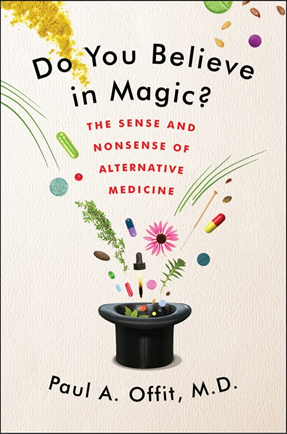
Book Review: Do you believe in magic? The science and nonsense of alternative medicine.

26 Jun

The name Paul Offit is fairly well known in the autism communities. He has spent considerable time countering the false idea that the rise in autism diagnoses seen in the past is due to an epidemic of vaccine injury. He spends most of his time as Chief of Infectious Diseases at the Children’s Hospital of Philadelphia. He is co-inventor of a vaccine which protects infants against rotavirus. Dr. Offit has written a number of books including one on autism: Autism’s False Prophets and one on the anti vaccine movements, which includes large sections on autism: Deadly Choices, How the Anti-Vaccine Movement Threatens Us All. And now he has a new book on alternative medicine: Do You Believe in Magic? The Sense and Nonsense of Alternative Medicine.

bookimg1big

There are two phrases which come to my mind when I hear about alternative medicine. First is a question: what do you call alternative medicine that works? Answer: medicine. The second phrase is more dark: medical fraud is a multi billion dollar business, and the bad guys know about autism.

Alternative medicine is big. Big as in a large fraction of the populations partakes in alt med in one form or another. Big as in it is big business. And, in terms of the subject of this site, big as in alt med is strongly promoted to and popular with the autism communities. Particularly the autism parent community.

As with other books by Dr. Offit, Do You Believe in Magic gives both sides of the various stories presented. He usually starts by giving the pro side, in this case the pro side of alternative medicine. For example, he presents the success stories of various alt-med practioners like chelationist Rashid Buttar and faux cancer therapist Stanislaw Burzynski. If you know the background behind a given story (say, Buttar) it can be quite jarring. You know that the claims aren’t true but you read Dr. Offit presenting them like they are. But when you get to the rebuttal it makes it very powerful.

The media has focused largely on the topic of vitamins–which does get a lot of play in the book. Dr. Offit points out how they supplement industry got a major boost from legislation which removed oversight on the industry. He also points out examples of how the claims for many supplements are either false (they don’t work) or worse (people on supplements live shorter lives than those with the same conditions who do not take supplements). As this is an autism focused site, I’ll point out the two chapters which focus on autism. The chapters largely center around various personalities and for autism the chapter focuses on Jenny McCarthy–the “pied piper of autism”. The chapter goes into detail–as in three page–listing the various theories of what causes autism (heavy metals, vaccines, misaligned spines, etc.) and the various therapies which are purported cures. Three pages. It’s amazing to see it laid out like that–showing that the alt-med community doesn’t have a real idea of what causes autism. Instead, they have dozens of ideas, sometimes contradictory, sometimes disproved, sometimes just without scientific merit. The second chapter with an autism focus is that on Rashid Buttar. He is a chelationist who includes autism as one of the many conditions he “treats”. He also came to fame recently as the doctor (recommended by Jenny McCarthy) chosen to treat Desiree Jennings, whose story of faux vaccine injury became a YouTube phenomenon.

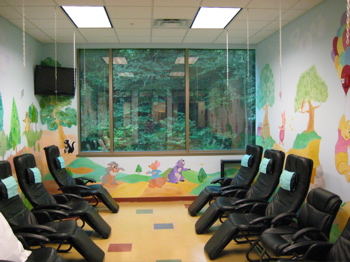
In case you don’t recall him, here is Rashid Buttar’s IV chelation suite for children, complete with Disney characters painted on the walls.

ChildrensIVSuite

Yes, there is room for 10 kids to receive IV chelation at the same time. Which is a small example of how this is big business. Dr. Offit makes the point even more clearly, with Dr. Buttar as one example. Many millions of dollars have been spent by patients on Dr. Buttar’s concoctions–some of which have been clearly shown to do nothing. Some people are getting very rich in the alt-med business. Very rich. Rashid Buttar is one. Stanislaw Burzynski is another. His cancer therapies are amazingly expensive, make no sense and are a grand example of selling false hope.

Bookstores are filled with books on alternative medicine. There are very few books which take a critical look at this industry. Do You Believe in Magic is a welcome addition. Unfortunately, it will likely never sell as well as false hope.

I recently had the opportunity to meet Dr. Offit. One question I posed to him was simply, why does he stay at a teaching hospital? Given his successes, he could do pretty much anything he wants. His answer boiled down to simply–he is doing what he wants. He has the freedom to say what he wants. On more than one occasion this has led to frivolous lawsuits, and even those haven’t shut him up. In his latest book he takes on faux medicine, practitioners who are making huge profits from it and the leglistors who facilitated the industry. One could ponder who will sue him first except that facts are laid out so clearly as to make it difficult for anyone to do so.


By Matt Carey

Currently, there is insufficient evidence to support instituting a gluten-free diet as a treatment for autism.

24 May

Perhaps the most commonly cited alternative therapy approach for autism is the gluten free/casein free diet. The idea was promoted largely based on the “leaky gut” and “opiod excess” idea of autism. The basic idea was that the intestines of autistics are for some reason “leaky” and incompletely digested proteins from gluten (grains) and casein (milk) enter the bloodstream and act much like an opiod (drug) causing (somehow) autism. Multiple research teams have looked for evidence of these “opiods” without success. But the idea that eliminating gluten and/or casein as an autism treatment.

Timothy Buie is perhaps one of the most respected gastroenterologists in the autism communities. He has recently written a literature review on the topic: The relationship of autism and gluten.

Here is the abstract:

BACKGROUND:

Autism is now a common condition with a prevalence of 1 in 88 children. There is no known etiology. Speculation about possible treatments for autism or autism spectrum disorders (ASD) has included the use of various dietary interventions, including a gluten-free diet.

OBJECTIVE:

The goal of this article was to review the literature available evaluating the use of gluten-free diets in patients with autism to determine if diet should be instituted as a treatment.

METHODS:

A literature review was performed, identifying previously published studies in which a gluten-free diet was instituted as an autism treatment. These studies were not limited to randomized controlled trials because only 1 article was available that used a double-blind crossover design. Most publish reports were unblinded, observational studies.

RESULTS:

In the only double-blind, crossover study, no benefit of a gluten-free diet was identified. Several other studies did report benefit from gluten-free diet. Controlling for observer bias and what may have represented unrelated progress over time in these studies is not possible. There are many barriers to evaluating treatment benefits for patients with autism. Gluten sensitivity may present in a variety of ways, including gastrointestinal and neurologic symptoms. Although making a diagnosis of celiac disease is easier with new serology and genetic testing, a large number of gluten-sensitive patients do not have celiac disease. Testing to confirm non-celiac gluten sensitivity is not available.

CONCLUSIONS:

A variety of symptoms may be present with gluten sensitivity. Currently, there is insufficient evidence to support instituting a gluten-free diet as a treatment for autism. There may be a subgroup of patients who might benefit from a gluten-free diet, but the symptom or testing profile of these candidates remains unclear.

To paraphrase the conclusions: The evidence is not there for eliminating gluten from the diets of autistics. Perhaps some minority has a gluten sensitivity but so far there is no good test for this possible subgroup.


By Matt Carey

Two steps forward, one step back

21 May

Good News: British groups supporting unorthodox biomedical approaches to autism are distancing themselves from theories attributing autism to vaccines.

Bad News: These groups are still promoting treatments – such as stem cell therapies – for which there is no coherent scientific rationale and no good evidence of efficacy or safety.

Treating Autism, with an address in Bow, East London, and the Autism Treatment Trust, based in Edinburgh, have circulated ‘advocates and organisations involved in the care of patients with Autism Spectrum Disorder’ with a package including a (curiously anonymous) ‘scientific review’ entitled Medical Comorbidities in Autism Spectrum Disorder, a flyer for a conference in Edinburgh in June entitled Changing the Course of Autism: The Science and Intervention, and a complimentary copy of The Autism Revolution: Whole Body Strategies for Making Life All It Can Be, by the American paediatric neurologist Martha Herbert.

The most striking – and most welcome – feature of this package is that it contains no mention of the cause with which both these groups have been most closely associated over the past decade – the campaign claiming a link between childhood immunisations, particularly MMR, and autism. Bill Welsh, former property developer and president of the ATT and of its predecessor Action Against Autism, has been a leading figure in the anti-vaccine campaign in Scotland since 1998. Wakefield himself was a platform speaker at Treating Autism’s first two conferences, in 2007 and 2009, and TA members were prominent in the protests in support of Wakefield outside the GMC when he was struck off the medical register in 2010.

In relation to the current TA/ATT package, MMR is, like the dog that did not bark in the night, significant in its absence.It might be too much to expect that these groups would acknowledge the harm that the anti-MMR campaign has caused to families affected by autism (particularly in encouraging so many into the futile and demoralising litigation) and to child health more widely (confirmed by the recent measles outbreaks).Yet, on a more positive note, Martha Herbert, the keynote speaker at the forthcoming Edinburgh conference, makes the forthright declaration – ‘I strongly encourage vaccination’- in her book (The Autism Revolution, p103). This is progress indeed.

The TA/ATT focus on ‘medical co-morbidities’ – conditions, such as sleep disorders, gastro-intestinal disturbances and epilepsy, that may co-exist with autism – is also a welcome and timely initiative. The ‘scientific review’ draws attention to a number of recent studies that reveal the unsatisfactory standards of medical care experienced by people on the autistic spectrum, highlighting inadequacies in relation to examination, investigation and treatment. It is unfortunate that this review appears to rely largely on North American, Australian or even Middle Eastern sources, and appears to be unaware of the extensive work – both in terms of research and advocacy – carried out by Mencap and others in the UK, in relation to the wider population of people with learning disabilities. This work has been summarised in the Confidential Inquiry into Premature Deaths of People with Learning Disabilities, http://www.bris.ac.uk/cipold/fullfinalreport.pdf.

It is also unfortunate that the discussion of co-morbidities has a perfunctory character in the TA/ATT review, being largely confined to a brief introduction. The question of medical co-morbidities is subsequently conflated with a quite distinct issue – the author’s claim that recent studies confirm a ‘paradigm shift in our understanding of ASD’. From this perspective autism is ‘now increasingly recognised as a whole body disorder, with the core deficits in communication, social interaction, restrictive/stereotypic behaviours that have been attributed to ASD, being surface manifestations of a systemic and complex disease process’. In fact, this is not a new ‘paradigm’, and nor is it ‘increasingly recognised’. It is the familiar dogma promoted by the ‘unorthodox biomedical’ fringe associated since the early 1990s with the (now defunct) Defeat Autism Now! group in the USA. (For an account of the emergence of this movement from the ‘metabolic psychiatry’ of the 1960s, and its incorporation of biochemical and immunological theories in the 1970s and 1980s, see my books, MMR and Autism: What Parents Need To Knowand Defeating Autism: A Damaging Delusion.) The TA/ATT review includes a plethora of references to recent studies claiming to confirm ‘earlier findings of widespread biomedical abnormalities in autism’. On past experience, these claims, based on preliminary laboratory studies or small scale – and often poorly constructed – clinical trials, will turn out to be of dubious significance.

Though the TA/ATT review includes little commentary on interventions, it resorts to selective quotation of mainstream academic sources to provide legitimacy for interventions favoured by unorthodox biomedical practitioners, notably exclusion diets. For example, in relation to the gluten-free, casein-free diet the author cites a recent authoritative Cochrane systematic review in the following terms: ‘from the existing trial evidence it concluded that “the diet poses no disbenefit or harm” [emphasis in original], and it identified positive effects of this diet relating to improvement in overall autistic traits, social isolation, and overall ability to communicate and interact (Millward et al., 2008)’. This is a significant distortion and misrepresentation of the Cochrane review (http://www.ncbi.nlm.nih.gov/pubmed/18425890).This review does not contain the sentence quoted, but in the discussion section it comments, in relation to two major studies of the GFCF diet (Knivsberg, 2003, Elder et al,2006), that ‘neither study reported disbenefits including harms and costs of these diets’. The statement presented by the TA/ATT review as the judgement of the Cochrane authors is in fact their (critical) description of the Knivsberg and Elder papers. The Cochrane authors’ categorical conclusion is that ‘we cannot recommend these diets as standard treatments’. Not only is this ignored by the TA/ATT review, it is immediately contradicted by an endorsement of the GFCF diet by Paul Whiteley and Paul Shattock, Britain’s leading advocates of this diet (and of the wider unorthodox biomedical campaign) over the past 20 years.

The TA/ATT offers several highlighted quotations from the recent ‘consensus report on the evaluation, diagnosis and treatment of gastro-intestinal disorders in individuals with ASD’, produced by of the American Academy of Paediatrics. (See: http://www.ncbi.nlm.nih.gov/pubmed/20048083) Yet it neglects prominent statements from this report which contradict the approach recommended by the TA/ATT review. For example, echoing the Cochrane review, the AAP concludes that ‘available research data do not support the use of a casein-free diet, a gluten-free diet, or combined gluten-free, casein-free diet as a primary treatment for individuals with ASDs.’ Furthermore, it dismisses the sorts of claim made by the TA/ATT review for the significance of various immunological and microbiological factors in relation to autism:

‘A direct cause-and-effect relationship between immune dysfunction and autism has yet to be proven.’

‘The role of gut flora in the pathogenesis of gastro-intestinal disorders in individuals with autism is not well understood.’

The TA/ATT review presents a dozen brief case histories to illustrate its claims – and to demonstrate a 100% success rate from the interventions it recommends. Given the lack of clinical detail – or any information about how these cases were selected – it is impossible to offer any evaluation. However, it is worth noting that in eight of the 12 cases, improvement appeared to follow treatment with antibiotics. The AAP consensus statement observes that ‘it should be noted that empirical antibiotic and antifungal therapy in patients with ASD is not recommended.’

The programme for the Edinburgh conference includes only one speaker on the question of co-morbidities – Dr Daniel Goyal. He is also scheduled to advise attenders on ‘How to Approach Your GP and Paediatrician’. This seems a bold enterprise for a doctor who is qualified as neither a GP nor a paediatrician and whose main experience is in occupational health. His experience in relation to autism appears to have been acquired entirely in private practice, at the Breakspear Clinic in Hertfordshire (recently sanctioned by the GMC over chelation treatment) and at his own Sincere Health ‘nutritional and environmental medicine’ clinic in Harley Street. It is striking that the TA/ATT approach cannot attract the support of a single paediatrician, paediatric gastroenterologist, child psychiatrist or autism specialist working in the National Health Service in the UK.

The most worrying feature of the Edinburgh conference is the prominent place on the platform allotted to Drs Nicola Antonucci and Dario Siniscalco (who are scheduled to give three talks in the course of the weekend). Antonucci, a psychiatrist who acquired training in DAN! therapies in the USA, has teamed up with Siniscalco, formerly a pain researcher with a background in chemistry and pharmacology, to provide stem cell therapy for children with autism at a clinic in Bari in southern Italy. The pseudoscience behind this treatment, now available in the Ukraine, Costa Rica, Mexico, Panama and China as well as Italy (but illegal in the USA and the UK) is discussed in Defeating Autism (pp 114-115). At last year’s Treating Autism conference in London, stem cell therapy was promoted by Dr Jeffrey Bradstreet, a Florida preacher and vitamin salesman and former colleague of Andrew Wakefield, who was severely chastised for his role as both expert witness and treating physician in the ‘omnibus autism proceedings’ in the USA in 2009. (See:http://www.spiked-online.com/site/article/6283/) It is alarming to discover that Antonucci and Siniscalco have collaborated with Bradstreet in various publications.

Whatever my reservations about Martha Herbert’s misanthropic evangelical environmentalism (see Defeating Autism, pp19-22), she offers sound counsel against the use of some of the more dangerous therapies currently popular in the unorthodox biomedical world, notably hyperbaric oxygen and heavy metal chelation. I hope that she will take advantage of her place on the Edinburgh platform to remind attendees (and fellow speakers) of this judgement from her book:

‘Stem cell therapy is an example of a treatment that does not make biological sense to me for autism, is wildly expensive (in part because it’s not legal in the United States), has made some kids whom I know worse, and carries a high risk of danger. I would avoid it.’ (The Autism Revolution, p65)

Michael Fitzpatrick 21 May 2013

It’s DSM 5 day

18 May

Yes, the day has arrived that the DSM 5 (the Diagnostic and Statistical manual) is released by the American Psychiatric Association. The DSM codifies the traits which make up, among many other things, an autism diagnosis. There was a great deal of controversy of the past few years about the way the DSM would handle autism. A major change was to move away from the “spectrum” of autism disorders (ASD) to a single autism diagnosis with a severity scale. Since eligibility for services is often tied to an autism diagnosis–such as insurance, special education and state disability services–many groups were concerned that the new DSM would leave specific groups out. One can find discussions of how those with Asperger syndrome will not be included in the new autism, how those with intellectual disability will not be included and how those with PDD-NOS will not be included.

Yesterday, Molecular Autism included three papers on the DSM 5.

The first introduces the other two: DSM-5: the debate continues by Fred R Volkmar and Brian Reichow.

Here is the abstract (full text free online):

We are fortunate to have invited commentaries from the laboratories of Dr Cathy Lord and Dr Fred Volkmar offering their perspectives on the new Diagnostic and Statistical Manual of Mental Disorders (DSM)-5 criteria for the autism spectrum. Both Lord and Volkmar are world-leaders in autism and in the autism phenotype and both have been very involved in the DSM: Volkmar was the primary author of the DSM-IV Autism and Pervasive Developmental Disorders section, and Lord has been equally active in the Neurodevelopmental Disorders Workgroup of DSM-5. As such, there are none more qualified to comment on what has been potentially gained or lost in the transition from the fourth edition to the fifth edition of this bible of psychiatric classification and diagnosis.

The first contributed paper is Autism in DSM-5: progress and challenges

Here is the abstract (and full text is available free online):

BACKGROUND:
Since Kanner’s first description of autism there have been a number of changes in approaches to diagnosis with certain key continuities . Since the Fourth edition of the Diagnostic and Statistical Manual (DSM-IV) appeared in 1994 there has been an explosion in research publications. The advent of changes in DSM-5 presents some important moves forward as well as some potential challenges.

METHODS:
The various relevant studies are summarized.

RESULTS:
If research diagnostic instruments are available, many (but not all) cases with a DSM-IV diagnosis of autism continue to have this diagnosis. The overall efficiency of this system falls if only one source of information is available and, particularly, if the criteria are used outside the research context. The impact is probably greatest among the most cognitively able cases and those with less classic autism presentations.

CONCLUSIONS:
Significant discontinuities in diagnostic practice raise significant problems for both research and clinical services. For DSM-5, the impact of these changes remains unclear.

The second contributed paper is DSM-5 and autism spectrum disorders (ASDs): an opportunity for identifying ASD subtypes by Rebecca Grzadzinski, Marisela Huerta and Catherine Lord.

The abstract is below and the full text is online.

The heterogeneity in the clinical presentations of individuals with autism spectrum disorders (ASDs) poses a significant challenge for sample characterization and limits the interpretability and replicability of research studies. The Diagnostic and Statistical Manual of Mental Disorders, 5th edition (DSM-5) diagnostic criteria for ASD, with its dimensional approach, may be a useful framework to increase the homogeneity of research samples. In this review, we summarize the revisions to the diagnostic criteria for ASD, briefly highlight the literature supporting these changes, and illustrate how DSM-5 can improve sample characterization and provide opportunities for researchers to identify possible subtypes within ASD.

The DSM 5 is big news, and relatively big business. As discussed on the American Public Media program Marketplace, the DSM has a major effect on how insurance companies reimburse for various treatments–if you don’t have the diagnosis, you may not get reimbursed for the treatment. Also, the DSM 5 itself makes the APA a significant amount of money, raising questions about whether the DSM was pushed forward too soon (hence the title of the Marketplace spot: How much is the DSM-5 worth?)


By Matt Carey

Comment on: A Danish population-based twin study on autism spectrum disorders.

12 May

There has been much discussion of twin studies in autism research for a long time. The reason is that if is found that “identical” (monozygotic) twins are often both autistic, that points to genetics as a major influence on the development of autism. For many years it was thought that this rate, the concordance, was about 90%. In other words, if one child is autistic, 90% of the time the other child is autistic. This was based on a number of older, small studies. More recently, a relatively large study showed a lower concordance: about 77% for ASD and 60% for autism. From this the authors claimed that the genetic contribution to autism risk was lower than previously thought, and that the environmental contribution was higher (about 55% environmental contribution).

A study just out from Denmark claims a concordance more in line with the older studies–95%. In A Danish population-based twin study on autism spectrum disorders., the authors write:

Genetic epidemiological studies of Autism Spectrum Disorders (ASDs) based on twin pairs ascertained from the population and thoroughly assessed to obtain a high degree of diagnostic validity are few. All twin pairs aged 3-14 years in the nationwide Danish Twin Registry were approached. A three-step procedure was used. Five items from the “Child Behaviour Checklist” (CBCL) were used in the first screening phase, while screening in the second phase included the “Social and Communication Questionnaire” and the “Autism Spectrum Screening Questionnaire”. The final clinical assessment was based on “gold standard” diagnostic research procedures including diagnostic interview, observation and cognitive examination. Classification was based on DSM-IV-TR criteria. The initial sample included 7,296 same-sexed twin pairs and, after two phases of screening and clinical assessment, the final calculations were based on 36 pairs. The probandwise concordance rate for ASD was 95.2 % in monozygotic (MZ) twins (n = 13 pairs) and 4.3 % in dizygotic (DZ) twins (n = 23 pairs). The high MZ and low DZ concordance rate support a genetic aetiology to ASDs.

This study is relatively small with only 13 “identical” twin pairs. Also, the concordance for “fraternal” (dizygotic) twins is relatively low at 4.3%. Sibling concordance is estimated at about 20%, so 4.3% raises a bit of a red flag. Of course the recent larger twin study is not without some controversy itself.

In the end, I doubt this new study will have much influence on the online parent community discussions (which are in themselves far from the most productive or important discussions on the topic. Just the apparently most vocal). We are left with there being some genetic contribution and some environmental contribution to autism risk. In other words, it remains important to put effort into both areas of research.


By Matt Carey